PO Box 1232 Freeport, IL 61032

Daniels Training Services Blog

You can keep updated on blog posts and other news that may be of use by subscribing to my newsletter, following me on Twitter or on LinkedIn. Whichever medium you choose, feel free to share or comment on my efforts. I am always willing to learn more, and to take your questions. Who knows? I might turn it into a blog entry.
Q&A: May I include the ERG# with the IATA shipping description?

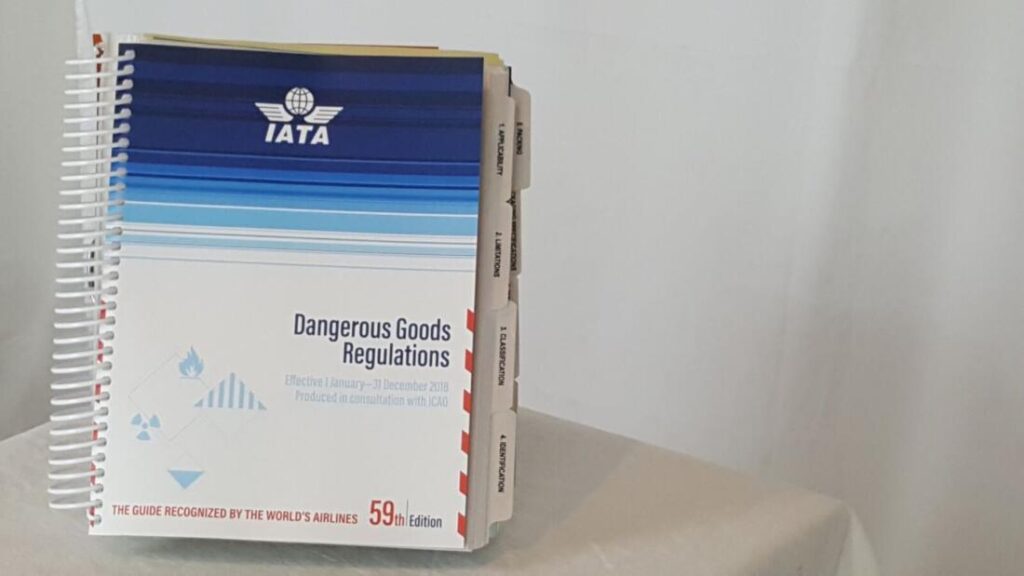
2018 (59th Edition) of IATA DGR

A question. May 11, 2018: Mr. Stoehr, My name is <<Redacted>>, and let me start by telling you that I have been enjoying your blogs and various compliance articles for years now. I stumbled across your page years ago searching

Q&A: Are placards required for the transport of this two-part resin system?

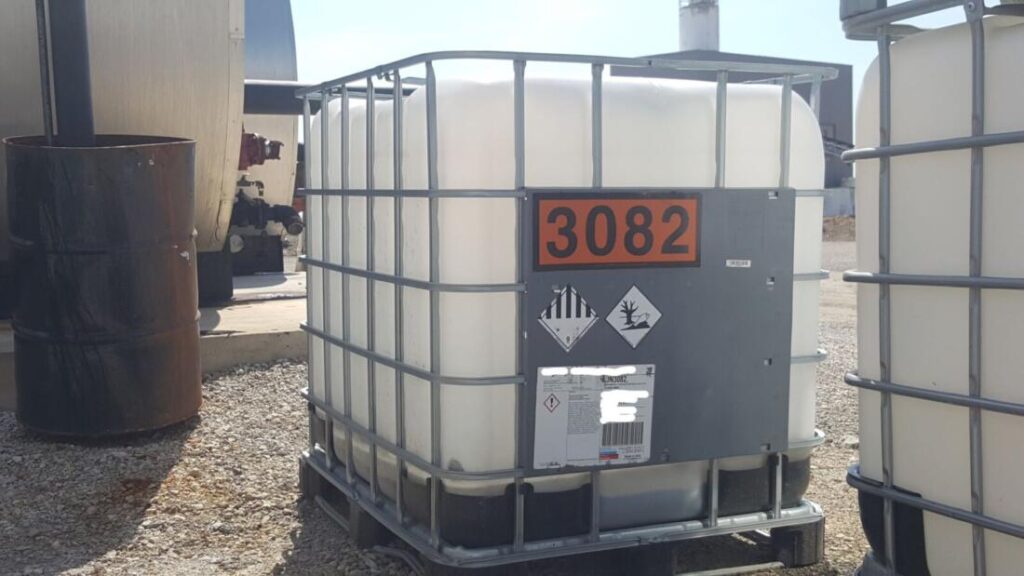
A question from someone who had recently attended one of my USDOT/PHMSA HazMat Employee Training Webinars (05.17.18): Hi Daniel! We have a product in totes (Product Name part A, ###A) which is a DOT HazMat class 9 (UN: NA3082, PG

USEPA Final Rule: Aerosol Cans as Universal Waste

Effective February 07, 2020, the U.S. Environmental Protection Agency (USEPA) is adding hazardous waste aerosol cans to the universal waste program.  The Final Rule includes the following: Defines an aerosol can. Includes aerosol cans with existing management standards for other

Q&A: Is DOT registration required for a SQG?

Question (April 13, 2018): Hi Daniel, I had a quick question about the DOT Registration requirement (Subpart G). If a SQG of HW ships their waste (e.g. 3 drums >1001 lbs -needs placard) with Safety Kleen, the SQG needs to

FAQ: What is an aerosol can?

aerosol cans

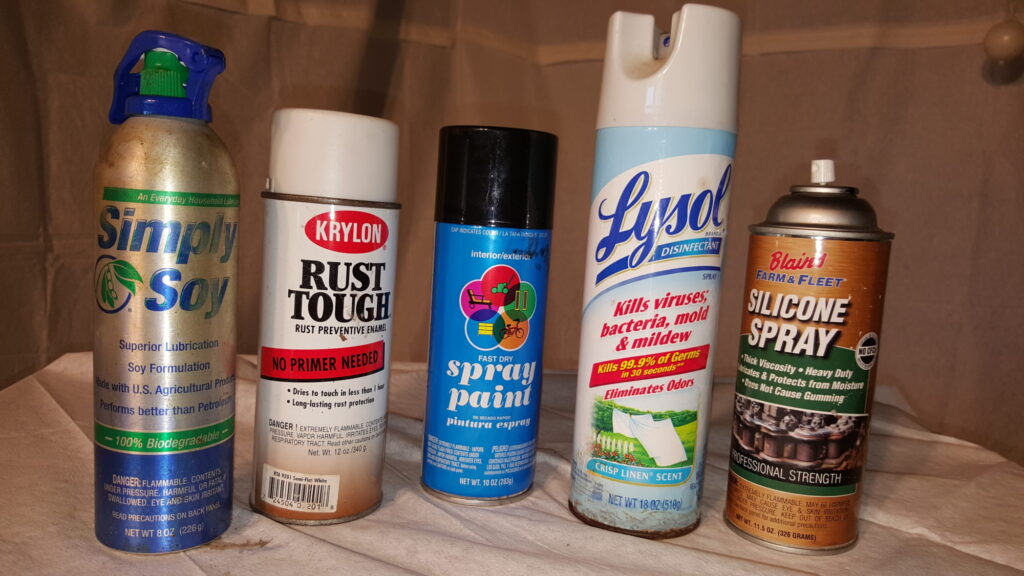
Aerosol cans are widely used for dispensing a broad range of products including paints, solvents, pesticides, food and personal care products, and many others.  the Household and Commercial Products Association estimates that 3.75 billion aerosol cans were filled in the

Q&A: Which are required to be displayed on IBCs: placards or labels?

Class 9 label on IBC

A question from a repeat customer on June 8, 2017.  (I'm frequently contacted by customers in the interim between their periodic training to answer questions). Hi Dan, I hope this finds you doing well. During the training session back in

Q&A: What must a carrier know before transporting “empty” drums?

Question (05.02.18): I am in the State of <<REDACTED>> and need to know the regulations regarding picking up and hauling empty drums. I work for an Oil Company that delivers and picks up drums.  When picking up drums we sometimes

Preparedness, Prevention, and Emergency Procedures for Large Quantity Generator of Hazardous Waste

Hazardous waste container

Both large quantity generators (LQG) and small quantity generators (SQG) of hazardous waste are required by federal regulations of the United States Environmental Protection Agency (USEPA) to take certain measures and have available certain equipment in order to prevent hazardous

The Requirements of 40 CFR 262.256 Arrangements with Local Authorities for Large Quantity Generator of Hazardous Waste

Hazardous waste container

Federal regulations of the U.S. Environmental Protection Agency (USEPA) at 40 CFR 262.17(a)(6) require a large quantity generator of hazardous waste (LQG) to comply with the preparedness, prevention, and emergency procedure standards of 40 CFR 262, subpart M.  This article

Preparedness, Prevention, and Emergency Procedures for Small Quantity Generator of Hazardous Waste

Both large quantity generators (LQG) and small quantity generators (SQG) of hazardous waste are required by federal regulations of the United States Environmental Protection Agency (USEPA) to take certain measures and have available certain equipment in order to prevent hazardous

Search Website