PO Box 1232 Freeport, IL 61032

Daniels Training Services Blog

You can keep updated on blog posts and other news that may be of use by subscribing to my newsletter, following me on Twitter or on LinkedIn. Whichever medium you choose, feel free to share or comment on my efforts. I am always willing to learn more, and to take your questions. Who knows? I might turn it into a blog entry.
Small Quantity Generators of Hazardous Waste “Basic Plan” for Emergency Preparedness and Response

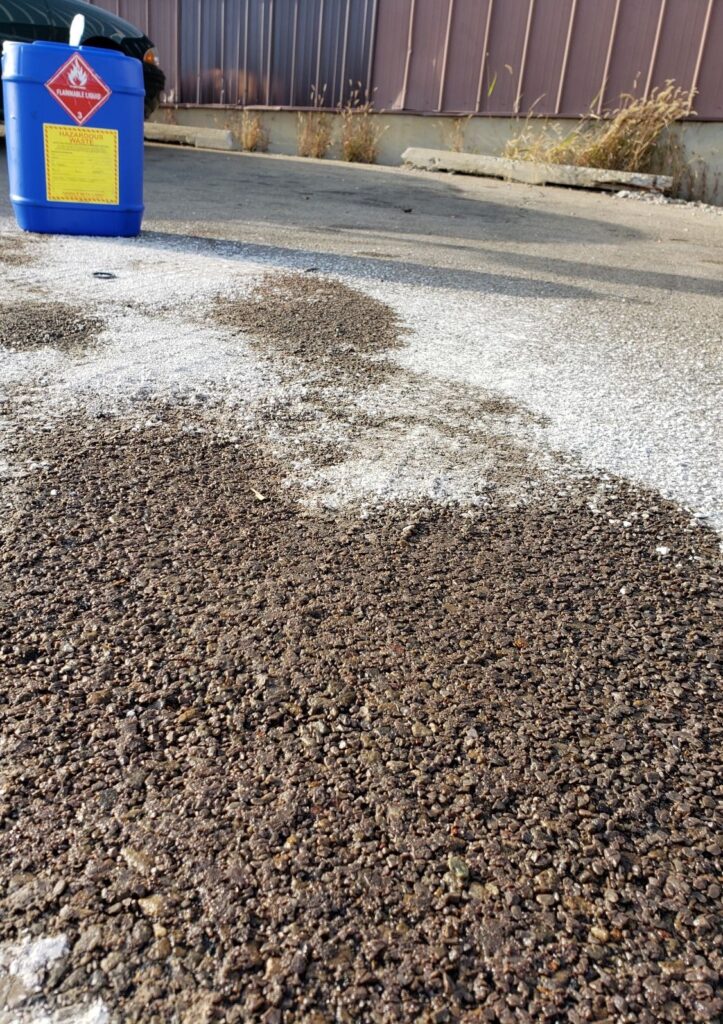
Hazardous Waste Spill

If you are a Small Quantity Generator (SQG) of hazardous waste, you may be aware of the regulations at 40 CFR 262.34(d)(4) that require you - along with large quantity generators and treatment storage and disposal facilities - to comply

Used Oil Management in Wisconsin

If you generate a waste oil as a by-product of your operations (ie. a Generator of Used Oil) you may be able to take advantage of the relaxed regulatory requirements of the US EPA and the Wisconsin DNR for the management

What is the Rebuttable Presumption for Used Oil?

As a generator (aka:  handler) of Used Oil you have the option to manage it according to the relaxed regulatory requirements of 40 CFR 279 instead of the more stringent regulations for the management of hazardous waste.  This option is

Reporting Releases of Hazardous Substances and Extremely Hazardous Substances

A release of a Hazardous Substance above the RQ at your facility or during transportation must be reported to the applicable Federal, State, and local emergency response agencies.  To perform the required reporting it is necessary to understand the two separate Acts/regulations

The Notification Requirements for a Release Under CERCLA and EPCRA

Release to waters of the state

Both CERCLA and EPCRA require you to report a release of a Hazardous Substance or Extremely Hazardous Substance (EHS) above its Reportable Quantity (RQ) in a 24 hour period.  Read:  Reporting Releases of Hazardous Substances and Extremely Hazardous Substances.  Also:

Have you Registered with the USDOT/PHMSA as a Shipper or Carrier of Hazardous Materials?

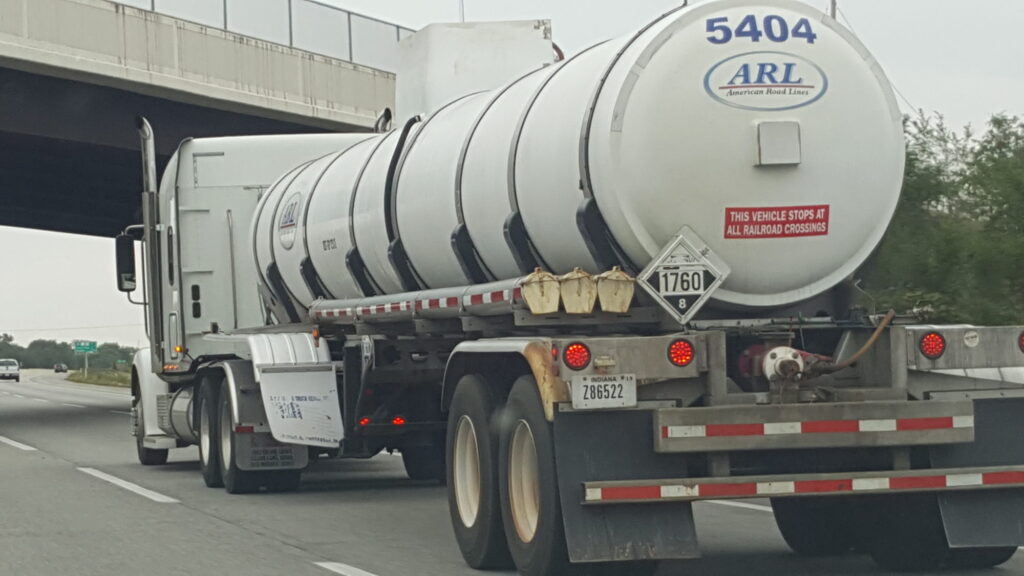
Cargo Tank with Class

Both shippers and carriers of hazardous materials are required to register and pay a fee annually with the Pipeline and Hazardous Materials Administration (PHMSA) of the USDOT.  Don't be surprised if you haven't heard of it; despite its widespread applicability, it's

What is a Spent Material and When is it a Solid Waste?

A spent material is defined at 40 CFR 261.1(c)(1) as any  material that has been used and as a result of contamination can no longer serve the purpose for which it was produced without processing.  Examples of spent materials include:  spent solvents, spent activated carbon, spent catalysts, and spent acids.  A

What is Speculative Accumulation?

Certain wastes that are to be recycled are not considered to be solid wastes, and therefore cannot be hazardous waste and are not subject to RCRA regulations, if the wastes meet the requirements of 40 CFR 261.2(c).  In brief, this

What is a Marine Pollutant per PHMSA/USDOT Hazardous Materials Regulations?

You might think this topic does not apply to you since you do not ship any hazardous materials by vessel or over water.  Think again.  The requirements to properly identify a marine pollutant, record its presence on the shipping paper,

Counting Hazardous Waste Accumulation for Generator Status – Satellite Accumulation Areas

The US EPA regulations that allow for the management of hazardous waste in Satellite Accumulation Areas (SAA's) provides great flexibility to hazardous waste generators who are able to take advantage of the regulations at 40 CFR 262.34(c).  Benefits include: No

Search Website