PO Box 1232 Freeport, IL 61032

A Different Kind Of Training

A Different Kind Of Training

A Different Kind Of Training

Q&A: What can we do with empty oil drums?

A question from someone in industry about empty oil drums (April 18, 2017):

Hello my name is <<Name>> and I work for <<Company>>, I have a simple question we use 55 gallon metal and plastic drums to contain our oil and have to pay a large sum of money to have them disposed of. If we meet the RCRA empty container requirements can we cut these drums in half and dispose of them or is there some sort of training we would need to go through or an inspection process so that we can simply throw them away ourselves or what do you suggest?

Thank you.

Like this article?

Subscribe to my Monthly Newsletter

No marketing emails!

My reply that same day:

Thank you for contacting me.  I will do my best to answer your questions below.

  • It is most likely that your oil is not a hazardous waste upon disposal per EPA regulations (state or federal) and is not a hazardous material when offered for transportation per PHMSA/USDOT regulations.  A Safety Data Sheet could confirm this assumption.
  • If the oil is neither a hazardous waste nor a hazardous material then the drums themselves are not subject to regulation for their disposal nor their transportation off-site.
  • As a non-regulated material you have many options for the empty drums (still containing some oil residue):
    • Discard as a waste – Check with your landfill and state regulations to determine their position on containers.  Many landfills don’t like to see empty containers; you may need to chop them up first.  PLEASE REFER TO THE WARNING BELOW BEFORE YOU PERFORM ANY ACTIVITY ON EMPTY DRUMS.
    • Recycle – Especially those of metal may be of interest to scrap metal recyclers.
    • Reclamation – Especially the steel drums may be of interest to drum reclaimers.
  • NOTE:  state regulations regarding empty containers may be more strict (e.g. California & Texas).  It has been awhile since I have done training in <<State>> but I am not aware of any state regulations for empty containers.  More research would confirm this assumption.
  • Is the supplier of the oil interested in taking the drums back for reuse?
Summary:  Except for a state regulation I am not aware of, or the limits of your landfill or recycler, you can pretty much do whatever you want with your empty drums.
More Information:

Daniels Training Services, Inc.

815.821.1550

Info@DanielsTraining.com

https://danielstraining.com/

I hope this helps.  Please don’t hesitate to contact me with any other questions.

Q&A: Are placards necessary when transporting diesel fuel in equipment?

A question from someone I have never done business with but who found me (04.07.17):

Our company is going to be transporting in a dry van, some equipment, It runs on diesel fuel. Are DOT placards necessary if they drain the tanks before transport? or maybe only have a few gallons max in the machines? We need to know what DOT regulations have to be followed here. Like I said, it would only be a few gallons, the rest would be drained before moving.equipment with hazmat

Any help is truly appreciated

Thank you,

My reply that same day:

Thank you for contacting me.  I will do my best to answer your question below:

  • Depending on its flash point, diesel fuel is a Class 3 Combustible Liquid per USDOT regulations when transported in commerce.
  • Any amount of a hazardous material remaining in a packaging – even vapors – is subject to USDOT regulation.  There are some exceptions from full regulation for non-bulk packagings.
  • Diesel fuel is subject to the Combustible Liquid Exception which excepts it from all USDOT regulation if it is in a non-bulk packaging.
  • If the tanks on the turf-installation equipment have a capacity of no more than 119 gallons they are non-bulk packaging.
  • Diesel fuel in a non-bulk packaging is not subject to USDOT regulations, therefore the tanks do not need to be rinsed and placards are not required.  No regulations of the USDOT apply.
I hope this helps.  Please don’t hesitate to contact me with any other questions.
More information:

Contact me with any questions you may have about the transportation of hazardous materials by air, highway, vessel, or rail

International and Domestic

Daniels Training Services, Inc.

815.821.1550

Info@DanielsTraining.com

https://danielstraining.com/

Summary:

I get that question a lot.  For diesel fuel and other Class 3 Combustible Liquids it’s a simple matter of whether the packaging in which they are contained is bulk or non-bulk.  If non-bulk, and a few other conditions, it is not a hazardous material.  If bulk, or one of those other conditions, then it’s more complicated.
Contact me to help you sort out any question you may have about the transportation of diesel fuel, other Combustible Liquids, or any hazardous material.

FAQ: What does PHMSA/USDOT consider a “strong outer packaging”?

Most shipments of hazardous materials subject to PHMSA/USDOT regulations require the use of a specification packaging.  There are two types of specification packaging recognized by the Hazardous Materials Regulations (HMR):

  • UN Standard (aka: performance oriented packaging).  Used for all non-bulk packagings and intermediate bulk containers (IBCs).
  • DOT specification.  Used for aerosols, cargo tanks, tank cars (rail), portable tanks, and more.

Due to its strict standards of construction, specification packaging can be very expensive.  Whenever a shipper has an opportunity to use non-specification packaging – due to an exception to full regulation such as the limited quantity exception – it can result in a significant cost savings.

Note:

PHMSA/USDOT is the Pipeline and Hazardous Materials Safety Administration within the U.S. Department of Transportation.  What is the PHMSA?

While most of the exceptions found in the HMR allow for the use of non-specification packaging, only some of them require a “strong outer packaging” to be used in its place.  The purpose of this article is to explain what the HMR means by a “strong outer packaging”. (more…)

The General Requirements for Packagings and Packages in the Hazardous Materials Regulations

All shipments of a hazardous material (HazMat) must comply with the regulations of 49 CFR 173.24 known as the General Packing Requirements.  Therefore, if you are the shipper of a HazMat – even one subject to an exception from regulation – you must comply with the General Packing Requirements. The purpose of this article is to identify and explain all of the responsibilities of a shipper of HazMat in §173.24 of the PHMSA/USDOT Hazardous Materials Regulations (HMR).

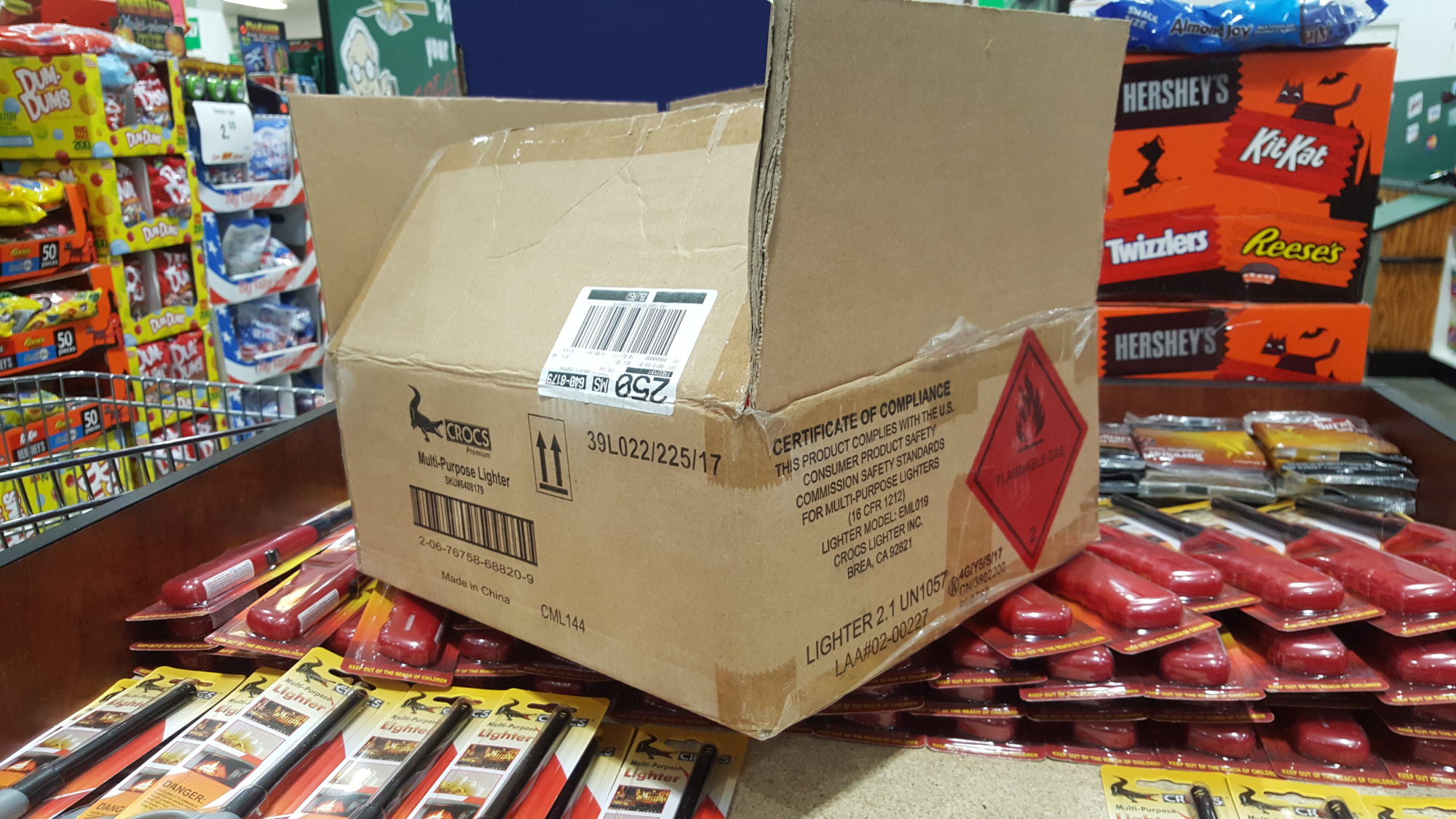
Applicability:Package for UN1057 Lighter

Unless specifically indicated elsewhere the General Packing Requirements apply to all packagings:

  • Bulk and non-bulk.
    • §173.24a contains additional packing requirements for non-bulk packagings.
    • §173.24b contains additional packing requirements for bulk packagings.

Read: What is a Bulk Packaging?

  • New and reused.
  • Specification and non-specification.

Common Sense Stuff:

Each package used for the shipment of HazMat must be designed, constructed, maintained, filled – not overfilled – and closed so none of the following occurs under normal transportation conditions.

  • A release of HazMat to the environment that can be detected by unaided human senses.  Detection through the use of instruments doesn’t count.
  • Damage to the packaging due to any of the following:
    • Minimum and maximum temperature.
    • Changes in humidity and pressure.
    • Shocks, loadings, and vibrations.
  • A mixture of gases or vapors in the package that could damage the packaging.
  • A residue of a HazMat adheres to the outside of the packaging.
Note:

As the shipper of the HazMat you are required to know the conditions to be expected during normal transport.  To include but not be limited to: temperature, pressure, vibrations, exposure to elements, handling, &etc.

Authorized Packagings (two options):

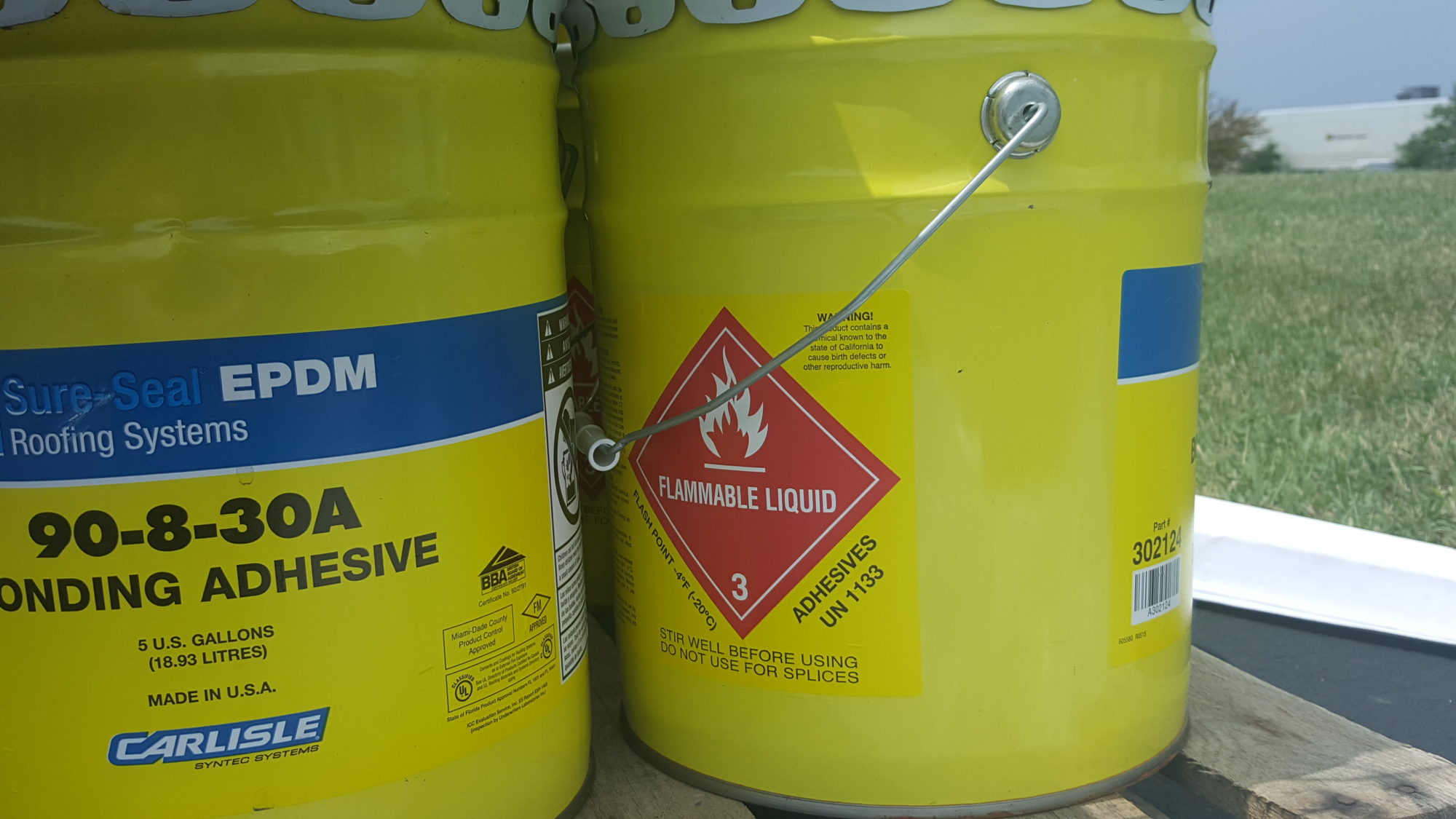
Option 1.  The packaging is authorized for the HazMat by the standard method:5-gallon drum of Class 3 Flammable Liquid Adhesive

  • Prescribed in the section of part 173 identified in column 8 of the Hazardous Materials Table.  And…
  • Conforms to the applicable requirements of the special provision codes in column 7 of the Hazardous Materials Table.  And…
  • The specification requirements of part 178 (for all packagings except rail tank cars) or part 179 (tank cars).
Note:

This does not apply to a UN standard packaging manufactured outside the U.S.  For more on that, read the next section: Specification Packaging.

Option 2.  The packaging is permitted under and conforms to:

  • Provisions contained in 49 CFR 171, subpart B or C:
    • Subpart B regarding an approval or authorization issued by the Bureau of Explosives.
    • Subpart C regarding the international transportation regulations of the ICAO Technical Instructions, the IMDG Code, Transport Canada TDG Regulations, or the IAEA Regulations.

Or…

  • §173.3 regarding salvage packagings
  • §173.4 regarding the small quantity exception
  • §173.4a regarding the excepted quantity exception
  • §173.4b regarding the de minimis exception
  • §173.5 regarding agricultural operations
  • §173.5a regarding oilfield service vehicles, mechanical displacement meter provers, and roadway striping vehicle exceptions
  • §173.6 regarding the materials of trade exception
  • §173.7 regarding government operations and materials
  • §173.8 regarding exceptions for non-specification packagings used in intrastate transportation
  • §173.27 regarding the general requirements for transportation by aircraft
  • §176.11 regarding exceptions for transportation of HazMat by vessel

Read:  Determining Authorized Packaging for the Transportation of a Hazardous Material

And one more thing…

The use of supplementary packagings within an outer packaging additional to what is required by these regulations is permitted provided all applicable requirements of the regulations are met and, when necessary, suitable cushioning is used to prevent movement within the packaging.

Example:  A 55-gallon steel drum is the authorized packaging for a hazardous material.  The HazMat is currently contained in a 30-gallon fiber drum that is in good condition but is not authorized.  The 30-gallon non-authorized packaging may be placed in the 55-gallon authorized packaging as long as all other applicable requirements of the Hazardous Materials Regulations are met and cushioning is used to prevent movement of the 30-gallon drum inside the 55-gallon drum.

Like this article?

Subscribe to my Monthly Newsletter

No marketing emails!

Specification Packagings and UN Standard Packagings Manufactured Outside the U.S.:4G/Y20.6/S/14/USA/M5720

A specification packaging – including a UN standard packaging – manufactured in the U.S. must conform to the applicable specification or standard in part 178 (for all packagings except rail tank cars) or part 179 (tank cars).

A UN standard packaging manufactured outside the U.S. may be imported and used and is considered to be an authorized packaging subject to the the following conditions and limitations:

  • It was manufactured in accordance with national or international regulations that are based on the UN Recommendations.  Just like the PHMSA/USDOT regulations are based on the UN Recommendations.
  • The packaging fully conforms to the UN Recommendations and the requirements of 49 CFR 173, subpart B, including the reuse provisions.
  • The packaging is capable of passing the prescribed tests for its type of packaging in part 178.
  • The competent authority of the country of manufacture provides reciprocal treatment for UN standard packagings manufactured in the U.S.

Compatibility:

  • No matter what packagings are prescribed for a HazMat by part 173, it is the responsibility of the shipper to ensure the packaging is compatible with its contents.  This particularly applies to the following:
    • Corrosivity
    • Permeability
    • Softening
    • Premature aging
    • Embrittlement
  • There must be no significant chemical or galvanic reaction between the HazMat and the packaging.
  • Plastic packagings and receptacles (i.e. inner packagings of a combination packaging) must be compatible with the HazMat and must not be so permeable that a hazardous condition may occur.  Each plastic packaging used for liquid HazMat must be capable of withstanding the test of its chemical compatibility and rate of permeation in the test procedure specified in appendix B of part 173 (Procedure for Testing Chemical Compatibility and Rate of Permeation in Plastic Packagings and Receptacles).  Alternative test procedures or rates of permeation are permitted if as safe as the standard and if approved by PHMSA/USDOT.  There’s more – a lot more – you can read it yourself at 49 CFR 173.24(e)(3)(ii-iii).
  • HazMat may not be packed or mixed together in the same outer packaging with other HazMat or even non-HazMat if a combination could cause any of the following:
    • Combustion or dangerous release of heat.
    • Release of flammable, poisonous, or asphyxiant gases.
    • Formation of unstable or corrosive materials
  • If a solid HazMat may become liquid during transportation the packaging must be able to contain it in its liquid form.

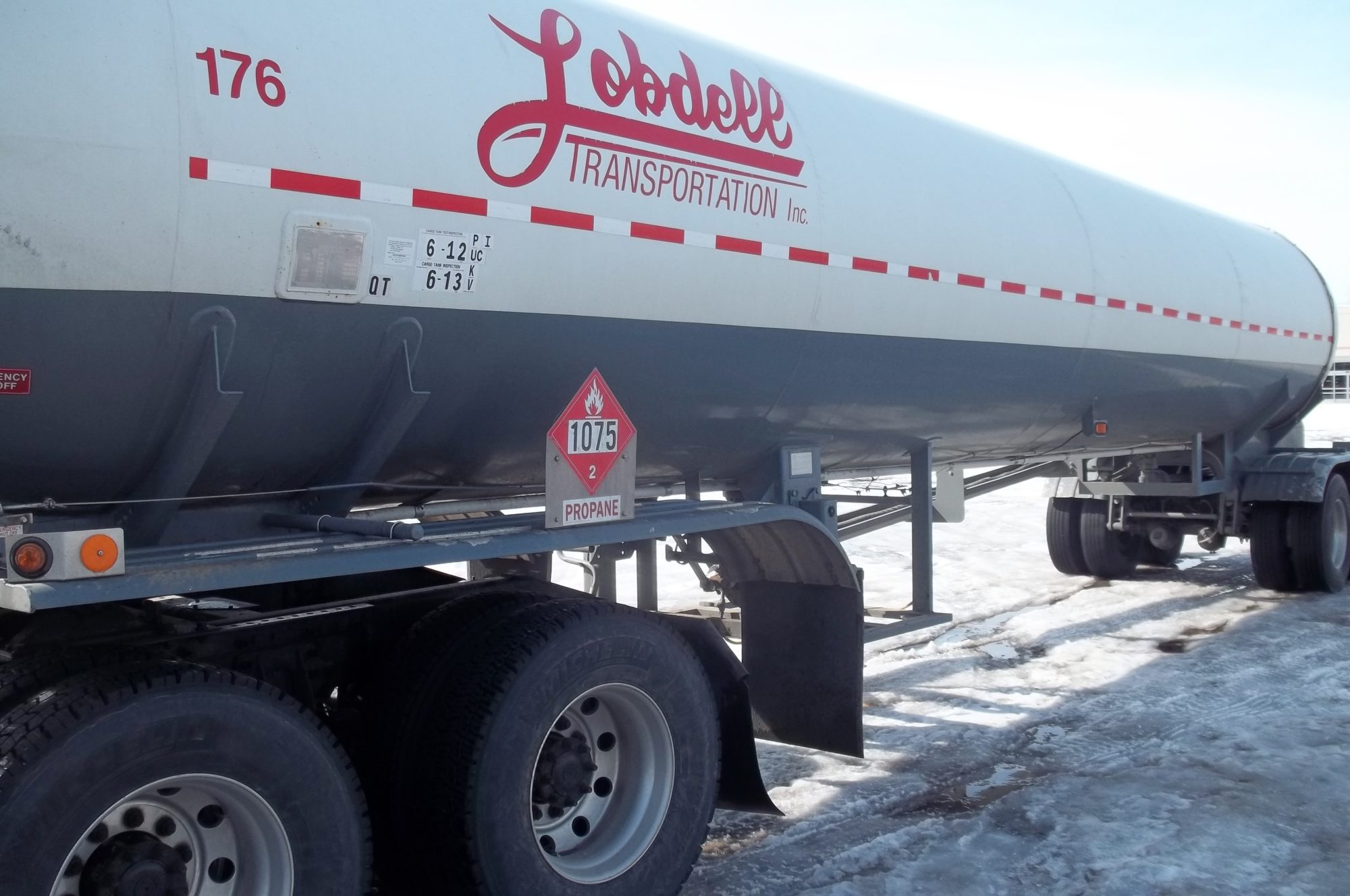
Image of cargo tank with propaneClosures:

Closures on packagings must be designed (responsibility of the packaging manufacturer) and closed (responsibility of the shipper) so that under normal transportation conditions…

  • There is no identifiable release to the environment from the opening unless it is ‘venting’ allowed by §173.24(g) (see next section).
  • The closure is leakproof and secured against loosening.  For air transport, closures held in place by friction (e.g. stoppers, corks) must also be held in place by some positive means.
Note:

Transportation of HazMat by air will likely be subject to the dangerous goods regulations of ICAO/IATA which are more strict than those of PHMSA/USDOT described here.

Unless indicated otherwise, a packaging closure – and closure components such as gaskets – of a specification packaging must meet all the requirements of the specification (responsibility of the packaging manufacturer) and be closed (responsibility of the shipper) in accordance with instructions provided by the manufacturer.  This means that closure components used for a specification packaging must be those specified in the closure instructions (LOI 15-0144).

Contact me with any questions you may have about the transportation of hazardous materials by air, highway, vessel, or rail

International and Domestic

Daniels Training Services, Inc.

815.821.1550

Info@DanielsTraining.com

https://danielstraining.com/

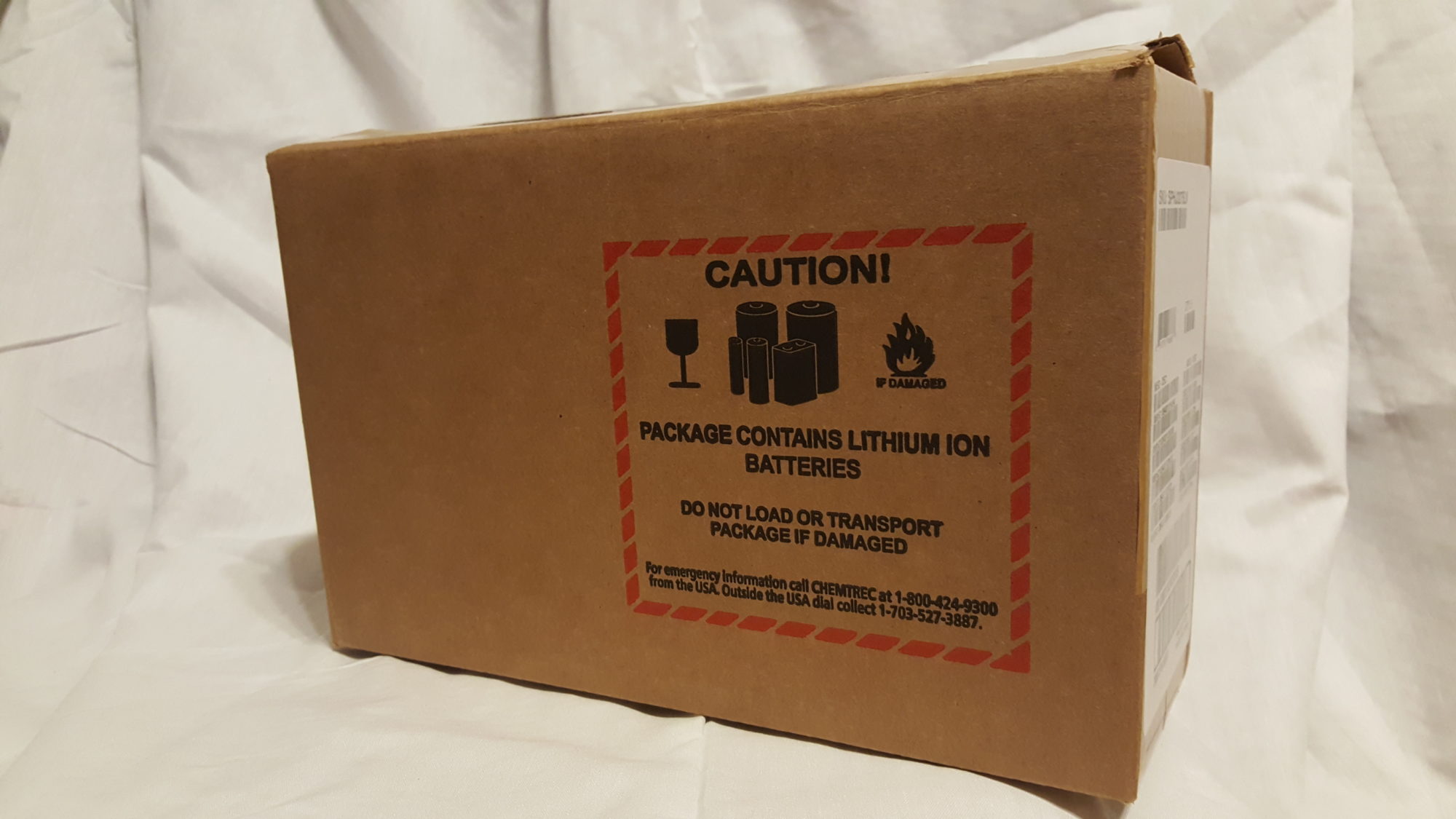
Venting:Package with lithium ion battery label

Venting of a packaging is permitted only under the following conditions:

  • Its purpose is to reduce internal pressure that may develop due to the creation of gas from the contents.
  • Transportation by aircraft is not allowed unless HazMat is one of the following:
    • A cryogenic liquid as specified at §1732.320(c).
    • Carbon dioxide, solid (dry ice).
  • The gases created under normal transportation conditions are not one of the following:
    • Poisonous
    • Likely to create a flammable mixture with air.
    • An asphyxiant.
Note:

An asphyxiant is a substance that can cause unconsciousness or death by suffocation (asphyxiation).

  • The packaging is designed to prevent an unintentional release of HazMat.  An unintentional release is distinct from the gas released through the packaging’s permitted venting which is intentional.
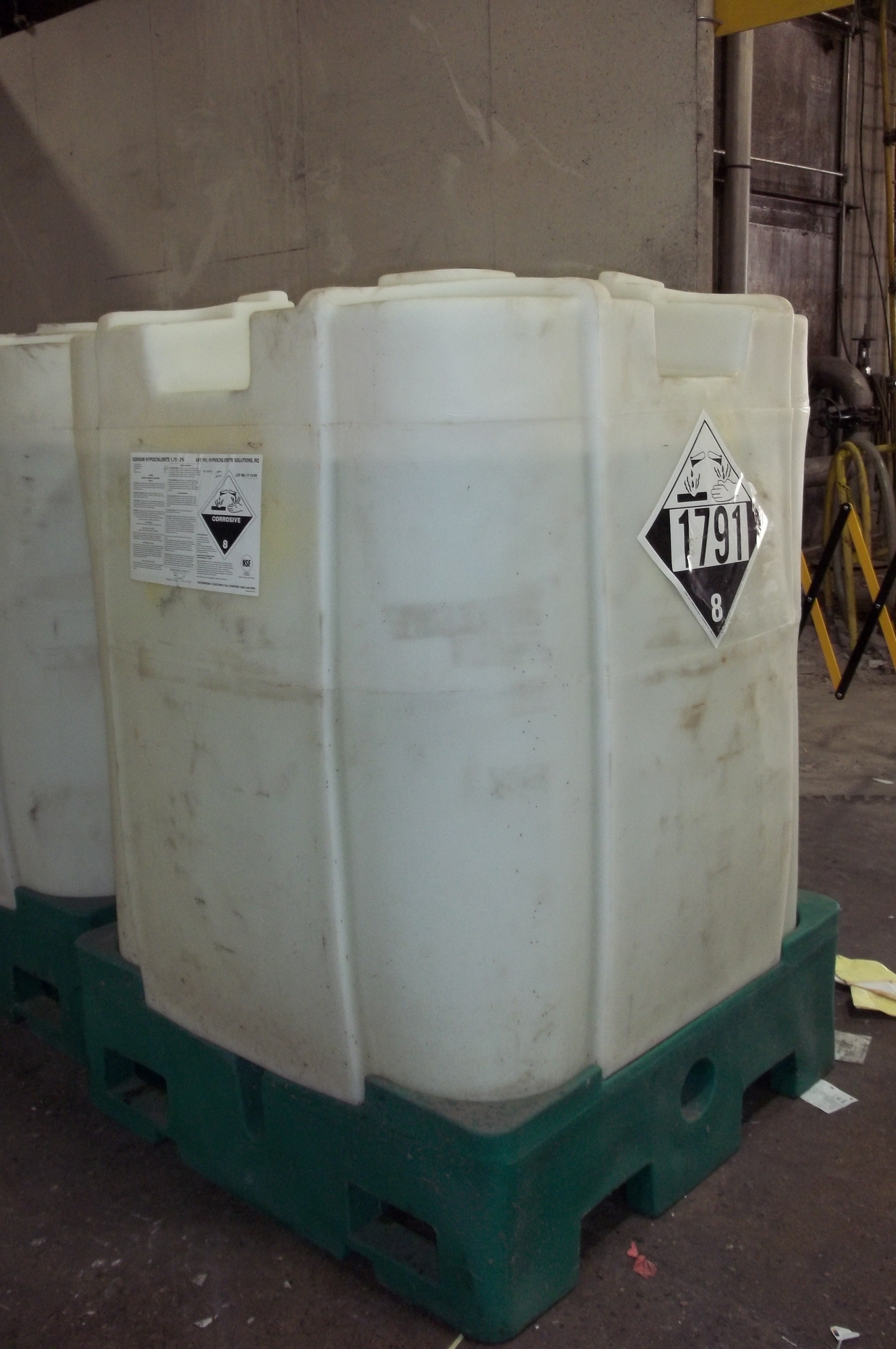
  • Image of rigid IBC with Class 8 Corrosive placard
    This is an example of an IBC

    For a bulk packaging – other than an IBC (see next bullet point for venting of IBCs) – venting is authorized in the special provision codes of column 7 in the Hazardous Materials Table for that specific HazMat or by the applicable bulk packaging specification in 49 CFR part 178.

  • IBCs may be vented if all of the above conditions for venting a package are met and the type of IBC has passed the applicable design qualifications (with the vent in place) with no release of hazardous materials.

Outage and filling limits:

These regulations (49 CFR 173.24) do not include specific outage (aka: ullage) and filling limits for packagings containing HazMat.  It does include the following:

  • A general requirement that packagings and receptacles for liquids must be filled to leave sufficient outage to allow for expansion due to likely transportation temperatures.
  • A reference to specific outage and filling limits elsewhere in the HMR:
    • §173.24a(d) for liquids in non-bulk packaging.
    • §173.24b(a) for bulk packaging.
    • §173.301 through §173.306 for compressed gases and cryogenic liquids in cylinders.
    • §173.314 through §173.319 for compressed gases and cryogenic liquids in bulk packagings.
Note:

Only at §173.24b(a) applicable to a bulk packaging does the possibility exist of an outage or filling limit applicable to a solid HazMat.  All other limits are applicable solely to a liquid or gas.

Air transportation:

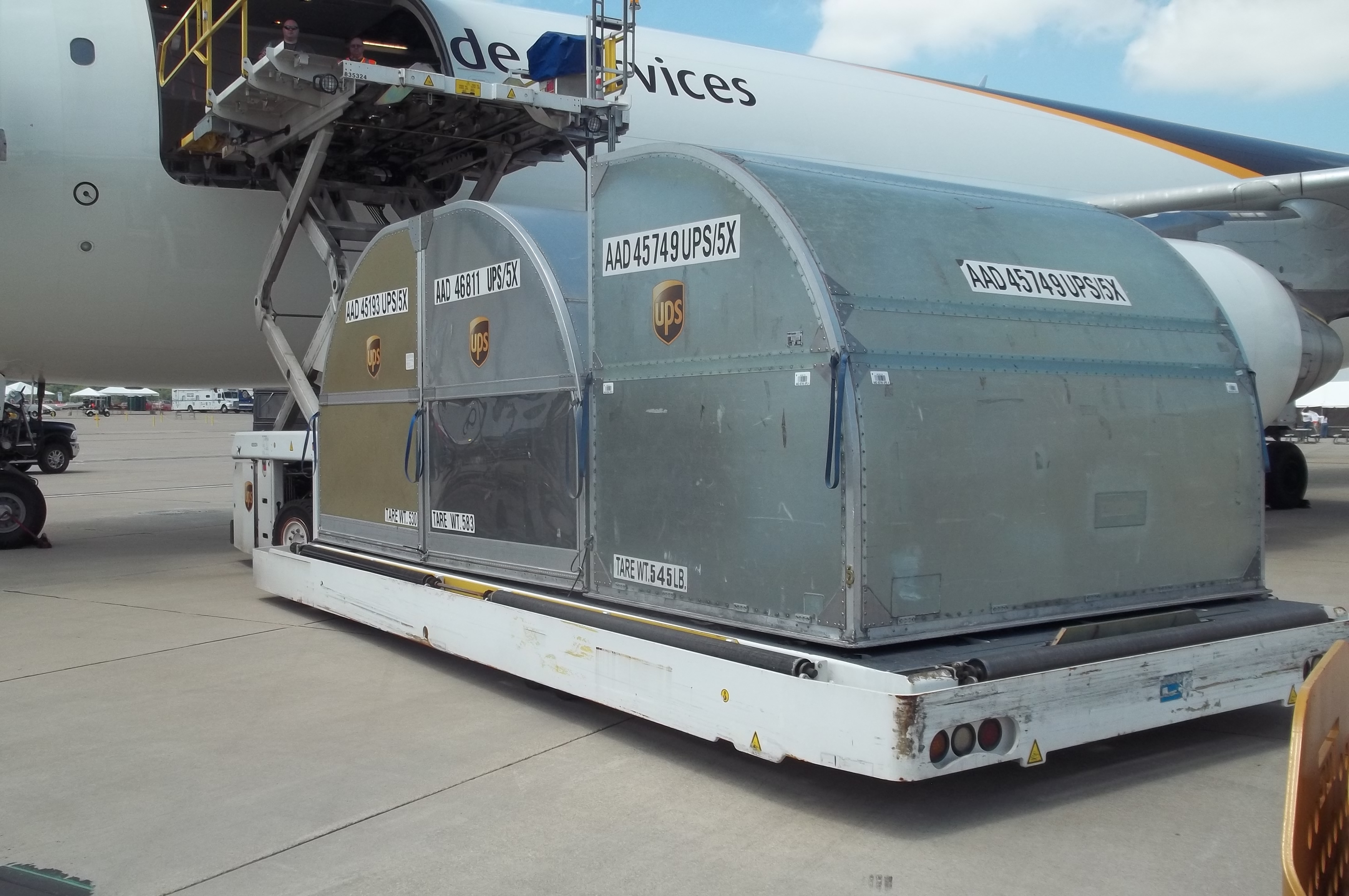
Except for packages subject to the following regulations, all packages for transport by air must conform to the general requirements for transportation by aircraft at §173.27.  The exception to this requirement are the HazMat subject to or identified in the following:Unit Load Device

  • A restriction or limitation for a specific HazMat identified at §171, subpart C – Authorization and Requirements for the Use of International Transport Standards and Regulations.
  • A consumer commodity packaged pursuant to 49 CFR 173.167 of the HMR.
  • A consumer commodity packaged pursuant to Packing Instruction Y963 of the ICAO Technical Instructions or the IATA dangerous goods regulations.

If you like this article, please share it using any of the social media platforms identified at the bottom of this article.

You’ll look real smart recommending my articles!

Conclusion:

Remember: these are only the general packing requirements applicable to all packagings and all modes of transport.  There are also the following additional general packing requirements:

  • §173.24a – Additional general requirements for non-bulk packagings and packages
  • §173.24b – Additional general requirements for bulk packagings
  • §173.27 – General requirements for transportation by aircraft

And then there are the packing instructions specific to the HazMat classification (e.g. §173.185 for lithium cells and batteries).

Make certain you have thoroughly researched the regulations applicable to your shipment (hazardous material, packaging, mode of transportation…) before you offer for transportation a hazardous material.

Question:  Can minor rips, tears, and pinholes be repaired by placing clear adhesive tape over the minor damage as long as this practice does not compromise the packaging’s ability to pass the applicable design qualification test or to provide appropriate containment of the hazardous materials under normal conditions of transportation?

Answer:  No,  See Q2 of LOI 15-0144.

Question:  Can a carrier reject a packaging for transport if the shipper complies with all of 49 CFR 173.24 and all other applicable requirements of the HMR?

Answer:  Yes.  See second from final line of LOI 15-0144.

The general packing requirements of part 173 aren’t the end of it.  As as matter of fact, they are only the beginning.  A shipper of HazMat still has a long way to go to ensure their HazMat is classified, described, packaged, marked and labeled/placarded, and are in all respects in proper condition for transport.  Please continue to read my articles to learn more.  Subscribe to my newsletter so you’ll not miss anything.  And be sure to contact me with any questions.

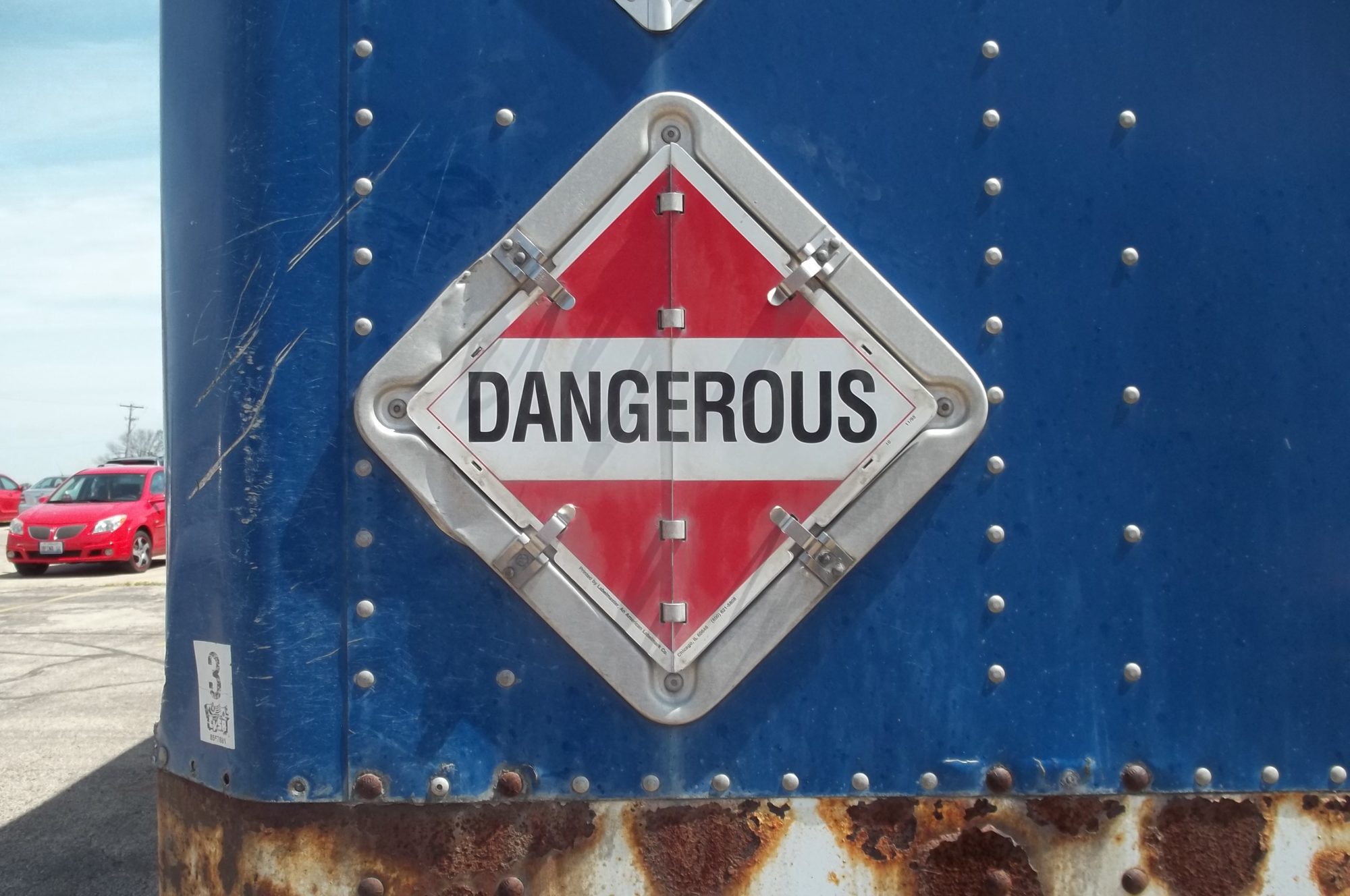
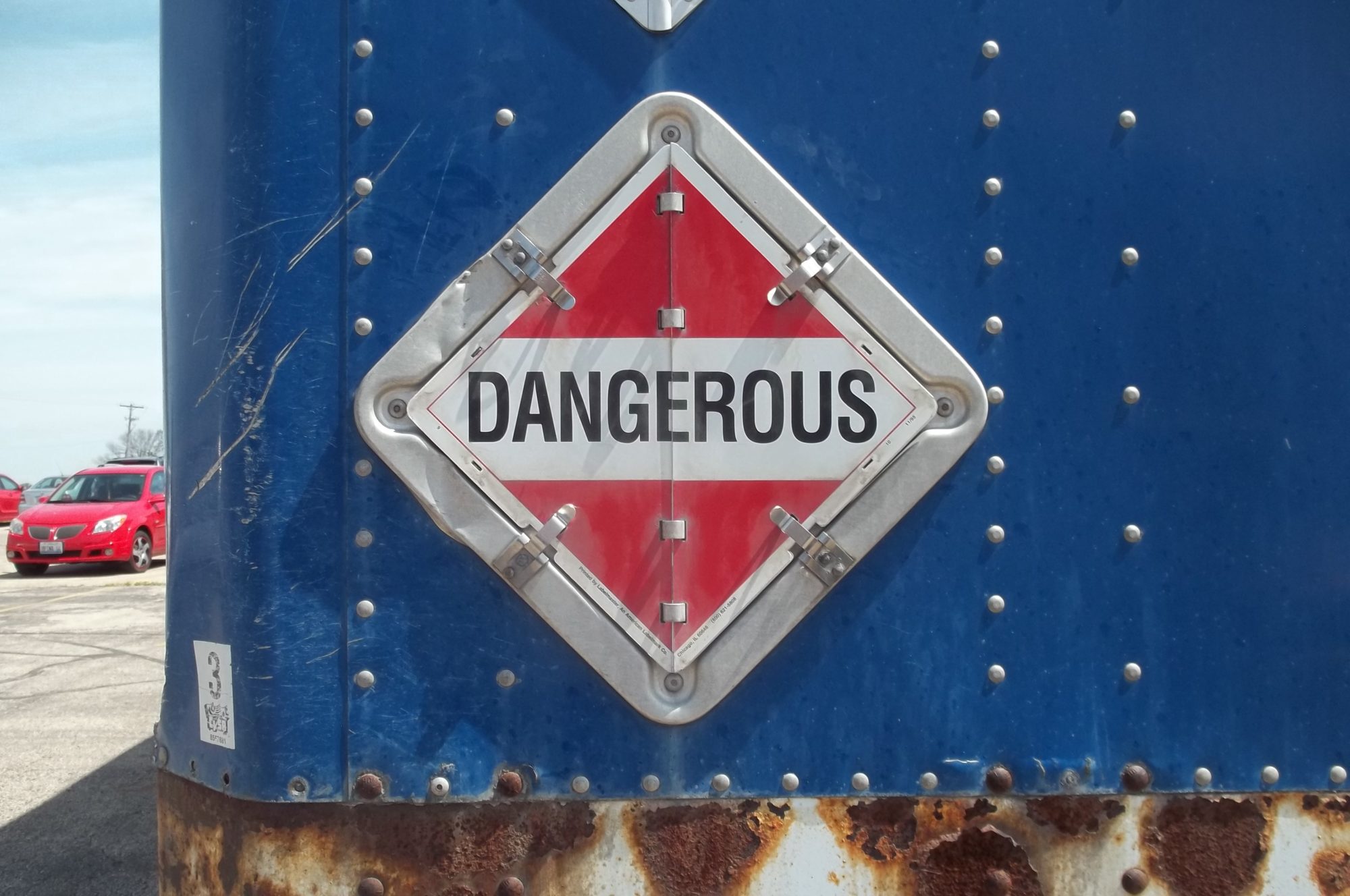
Dangerous placard

Q&A: Can I use the Dangerous placard for these shipments of HazMat?

A question from someone in the regulated community (03.07.17):

Dear Mr. Stoehr,

I am a dispatcher for an LTL freight company, and I get frequent questions from drivers about using dangerous placards.  I found your article online titled “When not to use the Dangerous Placard for Shipments of HazMat”, and I found it very informative, and answered most of the questions I receive; however, there are a couple of situations I was hoping you could clarify.

The first situation is regarding usage on loads containing bulk containers.  In the example you provide, it states that dangerous placards cannot be used if there are  “several portable tanks of two or more hazardous materials loaded into a tractor trailer.”  A situation that we often encounter is one or more portable tank(s) in a load along with one or more non-bulk hazardous materials.  If the bulk container(s) are placarded with the appropriate UN specific placards, can a dangerous placard be used to cover the remaining non-bulk shipments, or is it that once a bulk package is introduced into a load, that all items must be placarded individually regardless of the packaging or quantity?Dangerous placard

The other situation is similar in nature, but regarding the stipulation for when more than 2205 lbs or more of one category of material is loaded at one loading facility.  If we load a trailer with 3000 lbs of corrosive class 8, as well as 1500 lbs of flammable class 3, and 600 lbs of oxidizer class 5.1 (all of which are in non-bulk packaging), can a dangerous placard be used to cover the flammable and oxidizer, or do all three need to be placarded separately?

I greatly appreciate any clarification you may provide; however, I completely understand if you are unable to respond.  Thank you very much for you time and consideration.

Of course I was able to respond.  I just needed a little time (03.07.17):

I can answer your questions.

Please give me a couple of days to research and reply.

Like this article?

Subscribe to my Monthly Newsletter

No marketing emails!

My response. I didn’t take long (03.08.17):

Thank you for contacting me.  I will do my best to answer your questions below.

  • The regulations require a vehicle that contains a bulk packaging to display the appropriate placard with the identification number for the HazMat.  The identification number must be displayed on the placard or near it on an orange panel or white square-on-point.  The regulations allow for the display of the Dangerous placard on a vehicle instead of the separate placards if it contains two or more HazMat in non-bulk packagings that require the display of placards.  In answer to your first question:  the Dangerous placard may be displayed along with the placard and identification number of a HazMat in a bulk packaging if the vehicle also contains two or more HazMat in non-bulk packagings that require placards in addition to the HazMat in the bulk packaging.
  • The Dangerous placard may be displayed instead of the separate placards for two or more HazMat in non-bulk packagings that require the display of placards unless 1,000 kg or more of one HazMat is loaded at one facility.  In that case, the placard for the HazMat at or exceeding 1,000 kg must be displayed instead of the Dangerous placard.  In answer to your second question:  If 1,000 kg or more of one HazMat is loaded at one facility, that HazMat must display its placard.  However, if two or more other HazMat of less than 1,000 kg each in non-bulk packagings are loaded at the same facility, the Dangerous placard may be used for them instead of their separate placards.
I hope this helps.
Please don’t hesitate to contact me with any other questions.

Contact me with any questions you may have about the transportation of hazardous materials by air, highway, vessel, or rail

International and Domestic

Daniels Training Services, Inc.

815.821.1550

Info@DanielsTraining.com

https://danielstraining.com/

Use of the New Hazard Class 9 Lithium Battery Label

The transportation in commerce of a package containing a lithium battery is subject to both domestic and international transportation regulations.  Depending on the classification of the lithium battery package several types of hazard communication methods (labels and/or package marks) may be mandatory.  One significant change to the hazard communication regulations for lithium batteries or cells is the phase in of the new Hazard Class 9 Lithium Battery label to replace the currently used Class 9 Miscellaneous label.

This short Power Point presentation will summarize these changes and the deadlines for compliance.

Contact me with any questions you may have about the transportation of hazardous materials by air, highway, vessel, or rail

International and Domestic

Daniels Training Services, Inc.

815.821.1550

Info@DanielsTraining.com

https://danielstraining.com/

It is important to note that the changes summarized here will become effective in all modes of transportation (highway, rail, vessel, air) and both domestic (PHMSA/USDOT) and international (ICAO/IATA and IMO) in the same way at the same time.

20170630

Shipping Restrictions of the United States Postal Service

Prohibited domestic items:

Can’t be mailed within U.S.

  • Air bags
  • Ammunition
  • Explosives
  • Gasoline

Prohibited international items:

Can’t be mailed from U.S. to any location outside the U.S.

  • Aerosols
  • Air bags
  • Alcoholic beverages
  • Ammunition
  • Cigarettes
  • Dry ice
  • Explosives
  • Fresh fruits and vegetables
  • Gasoline
  • Nail polish
  • Perfumes (if containing alcohol)
  • Poison

Restricted domestic items:

Can be mailed in the U.S. with certain restrictions

Contact me with any questions you may have about the transportation of hazardous materials by air, highway, vessel, or rail

International and Domestic

Daniels Training Services, Inc.

815.821.1550

Info@DanielsTraining.com

https://danielstraining.com/

Restricted international items:

Can be mailed from the U.S. to an international location with certain restrictions

For more information:  United States Postal Service Shipping Restrictions

Subpart B of Part 173, Title 49 of the Hazardous Materials Regulations

The shipper of a hazardous materials has many responsibilities under the Hazardous Materials Regulations (HMR) of PHMSA/USDOT.  One of them is to comply with the applicable requirements of 49 CFR 173, subpart B – Preparation of Hazardous Materials for Transportation.  These are sometimes referred to in the HMR as the “general packaging requirements”.  The regulations of subpart B primarily apply to the packaging of the HazMat and the responsibility of the shipper for its assembly, loading and/or unloading, its closure, and its use in transportation.  It will take more space than I have here to explain all of subpart B.  Instead, below I will list the citations and section titles for all of subpart B.  If you have a question on any section you see below, please don’t hesitate to contact me for more information.

49 CFR 173, subpart B – Preparation of Hazardous Materials for Transportation

40 CFR 262, Subpart M - Preparedness, Prevention, and Emergency Procedures for Large Quantity Generators
New (262.250) ApplicabilityOld (265.30 and 265.50) Applicability
The regulations of this subpart apply to those areas of a large quantity generator where hazardous waste is generated or accumulated on site.The regulations in this subpart apply to owners and operators of all hazardous waste facilities, except as §265.1 provides otherwise.
New (262.251) Maintenance and operation of facilityOld (265.31) Maintenance and operation of facility
A large quantity generator must maintain and operate its facility to minimize the possibility of a fire, explosion, or any unplanned sudden or non-sudden release of hazardous waste or hazardous waste constituents to air, soil, or surface water which could threaten human health or the environment.Facilities must be maintained and operated to minimize the possibility of a fire, explosion, or any unplanned sudden or non-sudden release of hazardous waste or hazardous waste constituents to air, soil, or surface water which could threaten human health or the environment.
New (262.252) Required equipmentOld (265.32) Required equipment
All areas deemed applicable by §262.250 must be equipped with the items in paragraphs (a) through (d) of this section (unless none of the hazards posed by waste handled at the facility could require a particular kind of equipment specified below or the actual hazardous waste generation or accumulation area does not lend itself for safety reasons to have a particular kind of equipment specified below). A large quantity generator may determine the most appropriate locations within its facility to locate equipment necessary to prepare for and respond to emergencies:

(a) An internal communications or alarm system capable of providing immediate emergency instruction (voice or signal) to facility personnel;

(b) A device, such as a telephone (immediately available at the scene of operations) or a hand-held two-way radio, capable of summoning emergency assistance from local police departments, fire departments, or state or local emergency response teams;

(c) Portable fire extinguishers, fire control equipment (including special extinguishing equipment, such as that using foam, inert gas, or dry chemicals), spill control equipment, and decontamination equipment; and

(d) Water at adequate volume and pressure to supply water hose streams, or foam producing equipment, or automatic sprinklers, or water spray systems.
All facilities must be equipped with the following, unless none of the hazards posed by waste handled at the facility could require a particular kind of equipment specified below:

(a) An internal communications or alarm system capable of providing immediate emergency instruction (voice or signal) to facility personnel;

(b) A device, such as a telephone (immediately available at the scene of operations) or a hand-held two-way radio, capable of summoning emergency assistance from local police departments, fire departments, or State or local emergency response teams;

(c) Portable fire extinguishers, fire control equipment (including special extinguishing equipment, such as that using foam, inert gas, or dry chemicals), spill control equipment, and decontamination equipment; and

(d) Water at adequate volume and pressure to supply water hose streams, or foam producing equipment, or automatic sprinklers, or water spray systems.
New (262.253) Testing and maintenance of equipmentOld (265.33) Testing and maintenance of equipment
All communications or alarm systems, fire protection equipment, spill control equipment, and decontamination equipment, where required, must be tested and maintained as necessary to assure its proper operation in time of emergency.All facility communications or alarm systems, fire protection equipment, spill control equipment, and decontamination equipment, where required, must be tested and maintained as necessary to assure its proper operation in time of emergency.
New (262.254) Access to communications or alarm systemOld (265.34) Access to communications or alarm system
(a) Whenever hazardous waste is being poured, mixed, spread, or otherwise handled, all personnel involved in the operation must have immediate access (e.g., direct or unimpeded access) to an internal alarm or emergency communication device, either directly or through visual or voice contact with another employee, unless such a device is not required under §262.252.

(b) In the event there is just one employee on the premises while the facility is operating, the employee must have immediate access (e.g., direct or unimpeded access) to a device, such as a telephone (immediately available at the scene of operation) or a hand-held two-way radio, capable of summoning external emergency assistance, unless such a device is not required under §262.252.
(a) Whenever hazardous waste is being poured, mixed, spread, or otherwise handled, all personnel involved in the operation must have immediate access to an internal alarm or emergency communication device, either directly or through visual or voice contact with another employee, unless such a device is not required under § 265.32.

(b) If there is ever just one employee on the premises while the facility is operating, he must have immediate access to a device, such as a telephone (immediately available at the scene of operation) or a hand-held two-way radio, capable of summoning external emergency assistance, unless such a device is not required under § 265.32.
New (262.255) Required aisle spaceOld (265.35) Required aisle space
The large quantity generator must maintain aisle space to allow the unobstructed movement of personnel, fire protection equipment, spill control equipment, and decontamination equipment to any area of facility operation in an emergency, unless aisle space is not needed for any of these purposes.The owner or operator must maintain aisle space to allow the unobstructed movement of personnel, fire protection equipment, spill control equipment, and decontamination equipment to any area of facility operation in an emergency, unless aisle space is not needed for any of these purposes.
New (262.256) Arrangements with local authoritiesOld (265.37) Arrangements with local authorities
(a) The large quantity generator must attempt to make arrangements with the local police department, fire department, other emergency response teams, emergency response contractors, equipment suppliers, and local hospitals, taking into account the types and quantities of hazardous wastes handled at the facility. Arrangements may be made with the Local Emergency Planning Committee, if it is determined to be the appropriate organization with which to make arrangements.

(1) A large quantity generator attempting to make arrangements with its local fire department must determine the potential need for the services of the local police department, other emergency response teams, emergency response contractors, equipment suppliers and local hospitals.

(2) As part of this coordination, the large quantity generator shall attempt to make arrangements, as necessary, to familiarize the above organizations
with the layout of the facility, the properties of the hazardous waste handled at the facility and associated hazards, places where personnel would normally be working, entrances to roads inside the facility, and possible evacuation routes as well as the types of injuries or illnesses which could result from fires, explosions, or releases at the facility.

(3) Where more than one police or fire department might respond to an emergency, the large quantity generator shall attempt to make arrangements designating primary emergency authority to a specific fire or police department, and arrangements with any others to provide support to the primary emergency authority.

(b) The large quantity generator shall maintain records documenting the arrangements with the local fire department as well as any other organization necessary to respond to an emergency. This documentation must include documentation in the operating record that either confirms such arrangements actively exist or, in cases where no arrangements exist, confirms that attempts to make such arrangements were made.

(c) A facility possessing 24-hour response capabilities may seek a waiver from the authority having jurisdiction (AHJ) over the fire code within the facility's state or locality as far as needing to make arrangements with the local fire department as well as any other organization necessary to respond to an emergency, provided that the waiver is documented in the operating record.
(a) The owner or operator must attempt to make the following arrangements, as appropriate for the type of waste handled at his facility and the potential need for the services of these organizations:

(1) Arrangements to familiarize police, fire departments, and emergency response teams with the layout of the facility, properties of hazardous waste handled at the facility and associated hazards, places where facility personnel would normally be working, entrances to roads inside the facility, and possible evacuation routes;

(2) Where more than one police and fire department might respond to an emergency, agreements designating primary emergency authority to a specific police and a specific fire department, and agreements with any others to provide support to the primary emergency authority;

(3) Agreements with State emergency response teams, emergency response contractors, and equipment suppliers; and

(4) Arrangements to familiarize local hospitals with the properties of hazardous waste handled at the facility and the types of injuries or illnesses which could result from fires, explosions, or releases at the facility.

(b) Where State or local authorities decline to enter into such arrangements, the owner or operator must document the refusal in the operating record.
New (262.260) Purpose and implementation of contingency planOld (265.51) Purpose and implementation of contingency plan
(a) A large quantity generator must have a contingency plan for the facility. The contingency plan must be designed to minimize hazards to human health or the environment from fires, explosions, or any unplanned sudden or non-sudden release of hazardous waste or hazardous waste constituents to air, soil, or surface water.

(b) The provisions of the plan must be carried out immediately whenever there is a fire, explosion, or release of hazardous waste or hazardous waste constituents which could threaten human health or the environment.
(a) Each owner or operator must have a contingency plan for his facility. The contingency plan must be designed to minimize hazards to human health or the environment from fires, explosions, or any unplanned sudden or non-sudden release of hazardous waste or hazardous waste constituents to air, soil, or surface water.

(b) The provisions of the plan must be carried out immediately whenever there is a fire, explosion, or release of hazardous waste or hazardous waste constituents which could threaten human health or the environment.
New (262.261) Content of contingency planOld (265.52) Content of contingency plan
(a) The contingency plan must describe the actions facility personnel must take to comply with §§262.260 and 262.265 in response to fires, explosions, or any unplanned sudden or non-sudden release of hazardous waste or hazardous waste constituents to air, soil, or surface water at the facility.

(b) If the generator has already prepared a Spill Prevention, Control, and Countermeasures (SPCC) Plan in accordance with part 112 of this chapter, or some other emergency or contingency plan, it need only amend that plan to incorporate hazardous waste management provisions that are sufficient to comply with the standards of this part. The generator may develop one contingency plan that meets all regulatory standards. EPA recommends that the plan be based on the National Response Team's Integrated Contingency Plan Guidance (“One Plan”).

(c) The plan must describe arrangements agreed to with the local police department, fire department, other emergency response teams, emergency response contractors, equipment suppliers, local hospitals or, if applicable, the Local Emergency Planning Committee, pursuant to §262.256.

(d) The plan must list names and emergency
telephone numbers of all persons qualified to act as emergency coordinator (see §262.264), and this list must be kept up to date. Where more than one person is listed, one must be named as primary emergency coordinator and others must be listed in the order in which they will assume responsibility as alternates. In situations where the generator facility has an emergency coordinator continuously on duty because it operates 24 hours per day, every day of the year, the plan may list the staffed position (e.g., operations manager, shift coordinator, shift operations supervisor) as well as an emergency telephone number that can be guaranteed to be answered at all times.

(e) The plan must include a list of all emergency equipment at the facility (such as fire extinguishing systems, spill control equipment, communications and alarm systems (internal and external), and decontamination equipment), where this equipment is required. This list must be kept up to date. In addition, the plan must include the location and a physical description of each item on the list, and a brief outline of its capabilities.

(f) The plan must include an evacuation plan for generator personnel where there is a possibility that evacuation could be necessary. This plan must describe signal(s) to be used to begin evacuation, evacuation routes, and alternate evacuation routes (in cases where the primary routes could be blocked by releases of hazardous waste or fires).
a) The contingency plan must describe the actions facility personnel must take to comply with §§265.51 and 265.56 in response to fires, explosions, or any unplanned sudden or non-sudden release of hazardous waste or hazardous waste constituents to air, soil, or surface water at the facility.

(b) If the owner or operator has already prepared a Spill Prevention, Control, and Countermeasures (SPCC) Plan in accordance with Part 112 of this chapter, or some other emergency or contingency plan, he need only amend that plan to incorporate hazardous waste management provisions that are sufficient to comply with the requirements of this Part. The owner or operator may develop one contingency plan which meets all regulatory requirements. EPA recommends that the plan be based on the National Response Team’s Integrated Contingency Plan Guidance (“One Plan”). When modifications are made to non-RCRA provisions in an integrated contingency plan, the changes do not trigger the need for a RCRA permit modification.

(c) The plan must describe arrangements agreed to by local police departments, fire departments, hospitals, contractors, and State and local emergency response teams to coordinate emergency services, pursuant to §265.37.

(d) The plan must list names, addresses, and phone numbers (office and home) of all persons qualified to act as emergency coordinator (see §265.55), and this list must be kept up to date. Where more than one person is listed, one must be named as primary emergency coordinator and others must be listed in the order in which they will assume responsibility as alternates.

(e) The plan must include a list of all emergency equipment at the facility (such as fire extinguishing systems, spill control equipment, communications and alarm systems (internal and external), and decontamination equipment), where this equipment is required. This list must be kept up to date. In addition, the plan must include the location and a physical description of each item on the list, and a brief outline of its capabilities.

(f) The plan must include an evacuation plan for facility personnel where there is a possibility that evacuation could be necessary. This plan must describe signal(s) to be used to begin evacuation, evacuation routes, and alternate evacuation routes (in cases where the primary routes could be blocked by releases of hazardous waste or fires).
New (262.262) Copies of contingency planOld (265.53) Copies of contingency plan
A copy of the contingency plan and all revisions to the plan must be maintained at the large quantity generator and—

(a) The large quantity generator must submit a copy of the contingency plan and all revisions to all local emergency responders (i.e., police departments, fire departments, hospitals and State and local emergency response teams that may be called upon to provide emergency services). This document may also be submitted to the Local Emergency Planning Committee, as appropriate.

(b) A large quantity generator that first becomes subject to these provisions after May 30, 2017 or a large quantity generator that is otherwise amending its contingency plan must at that time submit a quick reference guide of the contingency plan to the local emergency responders identified at paragraph (a) of this section or, as appropriate, the Local Emergency Planning Committee. The quick reference guide must include the following elements:

(1) The types/names of hazardous wastes in layman's terms and the associated hazard associated with each hazardous waste present at any one time (e.g., toxic paint wastes, spent ignitable solvent, corrosive acid);

(2) The estimated maximum amount of each hazardous waste that may be present at any one time;

(3) The identification of any hazardous wastes where exposure would require unique or special treatment by medical or hospital staff;

(4) A map of the facility showing where hazardous wastes are generated, accumulated and treated and routes for accessing these wastes;

(5) A street map of the facility in relation to surrounding businesses, schools and residential areas to understand how best to get to the facility and also evacuate citizens and workers;

(6) The locations of water supply (e.g., fire hydrant and its flow rate);

(7) The identification of on-site notification systems (e.g., a fire alarm that rings off site, smoke alarms); and

(8) The name of the emergency coordinator(s) and 7/24-hour emergency telephone number(s) or, in the case of a facility where an emergency coordinator is continuously on duty, the emergency telephone number for the emergency coordinator.

(c) Generators must update, if necessary, their quick reference guides, whenever the contingency plan is amended and submit these documents to the local emergency responders identified at paragraph (a) of this section or, as appropriate, the Local Emergency Planning Committee.
A copy of the contingency plan and all revisions to the plan must be:

(a) Maintained at the facility; and

(b) Submitted to all local police departments, fire departments, hospitals, and State and local emergency response teams that may be called upon to provide emergency services.
New (262.263) Amendment of contingency planOld (265.54) Amendment of contingency plan
The contingency plan must be reviewed, and immediately amended, if necessary, whenever:

(a) Applicable regulations are revised;

(b) The plan fails in an emergency;

(c) The generator facility changes—in its design, construction, operation, maintenance, or other circumstances—in a way that materially increases the potential for fires, explosions, or releases of hazardous waste or hazardous waste constituents, or changes the response necessary in an emergency;

(d) The list of emergency coordinators changes; or

(e) The list of emergency equipment changes.
The contingency plan must be reviewed, and immediately amended, if necessary, whenever:

(a) Applicable regulations are revised;

(b) The plan fails in an emergency;

(c) The facility changes – in its design, construction, operation, maintenance, or other circumstances – in a way that materially increases the potential for fires, explosions, or releases of hazardous waste or hazardous waste constituents, or changes the response necessary in an emergency;

(d) The list of emergency coordinators changes; or

(e) The list of emergency equipment changes.
New (262.264) Emergency coordinatorOld (265.55) Emergency coordinator
At all times, there must be at least one employee either on the generator's premises or on call (i.e., available to respond to an emergency by reaching the facility within a short period of time) with the responsibility for coordinating all emergency response measures and implementing the necessary emergency procedures outlined in §262.265. Although responsibilities may vary depending on factors such as type and variety of hazardous waste(s) handled by the facility, as well as type and complexity of the facility, this emergency coordinator must be thoroughly familiar with all aspects of the generator's contingency plan, all operations and activities at the facility, the location and characteristics of hazardous waste handled, the location of all records within the facility, and the facility's layout. In addition, this person must have the authority to commit the resources needed to carry out the contingency plan.At all times, there must be at least one employee either on the facility premises or on call (i.e., available to respond to an emergency by reaching the facility within a short period of time) with the responsibility for coordinating all emergency response measures. This emergency coordinator must be thoroughly familiar with all aspects of the facility’s contingency plan, all operations and activities at the facility, the location and characteristics of waste handled, the location of all records within the facility, and the facility layout. In addition, this person must have the authority to commit the resources needed to carry out the contingency plan.

[Comment: The emergency coordinator’s responsibilities are more fully spelled out in §265.56. Applicable responsibilities for the emergency coordinator vary, depending on factors such as type and variety of waste(s) handled by the facility, and type and complexity of the facility.]
New (262.265) Emergency proceduresOld (265.56) Emergency procedures
(a) Whenever there is an imminent or actual emergency situation, the emergency coordinator (or his designee when the emergency coordinator is on call) must immediately:

(1) Activate internal facility alarms or communication systems, where applicable, to notify all facility personnel; and

(2) Notify appropriate state or local agencies with designated response roles if their help is needed.

(b) Whenever there is a release, fire, or explosion, the emergency coordinator must immediately identify the character, exact source, amount, and areal extent of any released materials. The emergency coordinator may do this by observation or review of the facility records or manifests and, if necessary, by chemical analysis.

(c) Concurrently, the emergency coordinator must assess possible hazards to human health or the environment that may result from the release, fire, or explosion. This assessment must consider both direct and indirect effects of the release, fire, or explosion (e.g., the effects of any toxic, irritating, or asphyxiating gases that are generated, or the effects of any hazardous surface water run-offs from water or chemical agents used to control fire and heat-induced explosions).

(d) If the emergency coordinator determines that the facility has had a release, fire, or explosion which could threaten human health, or the environment, outside the facility, the emergency coordinator
must report the findings as follows:

(1) If the assessment indicates that evacuation of local areas may be advisable, the emergency coordinator must immediately notify appropriate local authorities. The emergency coordinator must be available to help appropriate officials decide whether local areas should be evacuated; and

(2) The emergency coordinator must immediately notify either the government official designated as the on-scene coordinator for that geographical area, or the National Response Center (using their 24-hour toll free number 800/424-8802). The report must include:

(i) Name and telephone number of reporter;

(ii) Name and address of the generator
;

(iii) Time and type of incident (e.g., release, fire);

(iv) Name and quantity of material(s) involved, to the extent known;

(v) The extent of injuries, if any; and

(vi) The possible hazards to human health, or the environment, outside the facility.

(e) During an emergency, the emergency coordinator must take all reasonable measures necessary to ensure that fires, explosions, and releases do not occur, recur, or spread to other hazardous waste at the generator's facility. These measures must include, where applicable, stopping processes and operations, collecting and containing released hazardous waste, and removing or isolating containers.

(f) If the generator
stops operations in response to a fire, explosion or release, the emergency coordinator must monitor for leaks, pressure buildup, gas generation, or ruptures in valves, pipes, or other equipment, wherever this is appropriate.

(g) Immediately after an emergency, the emergency coordinator must provide for treating, storing, or disposing of recovered waste, contaminated soil or surface water, or any other material that results from a release, fire, or explosion at the facility. Unless the generator can demonstrate, in accordance with §261.3(c) or (d) of this chapter, that the recovered material is not a hazardous waste, then it is a newly generated hazardous waste that must be managed in accordance with all the applicable requirements and conditions for exemption in parts 262, 263, and 265 of this chapter.

(h) The emergency coordinator must ensure that, in the affected area(s) of the facility:

(1) No hazardous waste that may be incompatible with the released material is treated, stored, or disposed of until cleanup procedures are completed; and

(2) All emergency equipment listed in the contingency plan is cleaned and fit for its intended use before operations are resumed.

(i) The generator must note in the operating record the time, date, and details of any incident that requires implementing the contingency plan. Within 15 days after the incident, the generator must submit a written report on the incident to the Regional Administrator. The report must include:

(1) Name, address, and telephone number of the generator;

(2) Date, time, and type of incident (e.g., fire, explosion);

(3) Name and quantity of material(s) involved;

(4) The extent of injuries, if any;

(5) An assessment of actual or potential hazards to human health or the environment, where this is applicable; and

(6) Estimated quantity and disposition of recovered material that resulted from the incident.
a) Whenever there is an imminent or actual emergency situation, the emergency coordinator (or his designee when the emergency coordinator is on call) must immediately:

(1) Activate internal facility alarms or communication systems, where applicable, to notify all facility personnel; and

(2) Notify appropriate State or local agencies with designated response roles if their help is needed.

(b) Whenever there is a release, fire, or explosion, the emergency coordinator must immediately identify the character, exact source, amount, and areal extent of any released materials. He may do this by observation or review of facility records or manifests and, if necessary, by chemical analysis.

(c) Concurrently, the emergency coordinator must assess possible hazards to human health or the environment that may result from the release, fire, or explosion. This assessment must consider both direct and indirect effects of the release, fire, or explosion (e.g., the effects of any toxic, irritating, or asphyxiating gases that are generated, or the effects of any hazardous surface water run-offs from water or chemical agents used to control fire and heat-induced explosions).

(d) If the emergency coordinator determines that the facility has had a release, fire, or explosion which could threaten human health, or the environment, outside the facility, he must report his findings as follows:

(1) If his assessment indicates that evacuation of local areas may be advisable, he must immediately notify appropriate local authorities. He must be available to help appropriate officials decide whether local areas should be evacuated; and

(2) He must immediately notify either the government official designated as the on-scene coordinator for that geographical area, or the National Response Center (using their 24-hour toll free number 800/424-8802). The report must include:

Notify the National Response Center
NRC 800.424.8802

(i) Name and telephone number of reporter;

(ii) Name and address of facility;

(iii) Time and type of incident (e.g., release, fire);

(iv) Name and quantity of material(s) involved, to the extent known;

(v) The extent of injuries, if any; and

(vi) The possible hazards to human health, or the environment, outside the facility.

(e) During an emergency, the emergency coordinator must take all reasonable measures necessary to ensure that fires, explosions, and releases do not occur, recur, or spread to other hazardous waste at the facility. These measures must include, where applicable, stopping processes and operations, collecting and containing released waste, and removing or isolating containers.

(f) If the facility stops operations in response to a fire, explosion or release, the emergency coordinator must monitor for leaks, pressure buildup, gas generation, or ruptures in valves, pipes, or other equipment, wherever this is appropriate.

(g) Immediately after an emergency, the emergency coordinator must provide for treating, storing, or disposing of recovered waste, contaminated soil or surface water, or any other material that results from a release, fire, or explosion at the facility.

[Comment: Unless the owner or operator can demonstrate, in accordance with §261.3(c) or (d) of this chapter, that the recovered material is not a hazardous waste, the owner or operator becomes a generator of hazardous waste and must manage it in accordance with all applicable requirements of parts 262, 263, and 265 of this chapter.]

(h) The emergency coordinator must ensure that, in the affected area(s) of the facility:

(1) No waste that may be incompatible with the released material is treated, stored, or disposed of until cleanup procedures are completed; and

(2) All emergency equipment listed in the contingency plan is cleaned and fit for its intended use before operations are resumed.

(i) The owner or operator must note in the operating record the time, date, and details of any incident that requires implementing the contingency plan. Within 15 days after the incident, he must submit a written report on the incident to the Regional Administrator. The report must include:

(1) Name, address, and telephone number of the owner or operator;

(2) Name, address, and telephone number of the facility;

(3) Date, time, and type of incident (e.g., fire, explosion);

(4) Name and quantity of material(s) involved;

(5) The extent of injuries, if any;

(6) An assessment of actual or potential hazards to human health or the environment, where this is applicable; and

(7) Estimated quantity and disposition of recovered material that resulted from the incident.

Daniels Training Services, Inc.

815.821.1550

Info@DanielsTraining.com

https://danielstraining.com/

rail car of HazMat

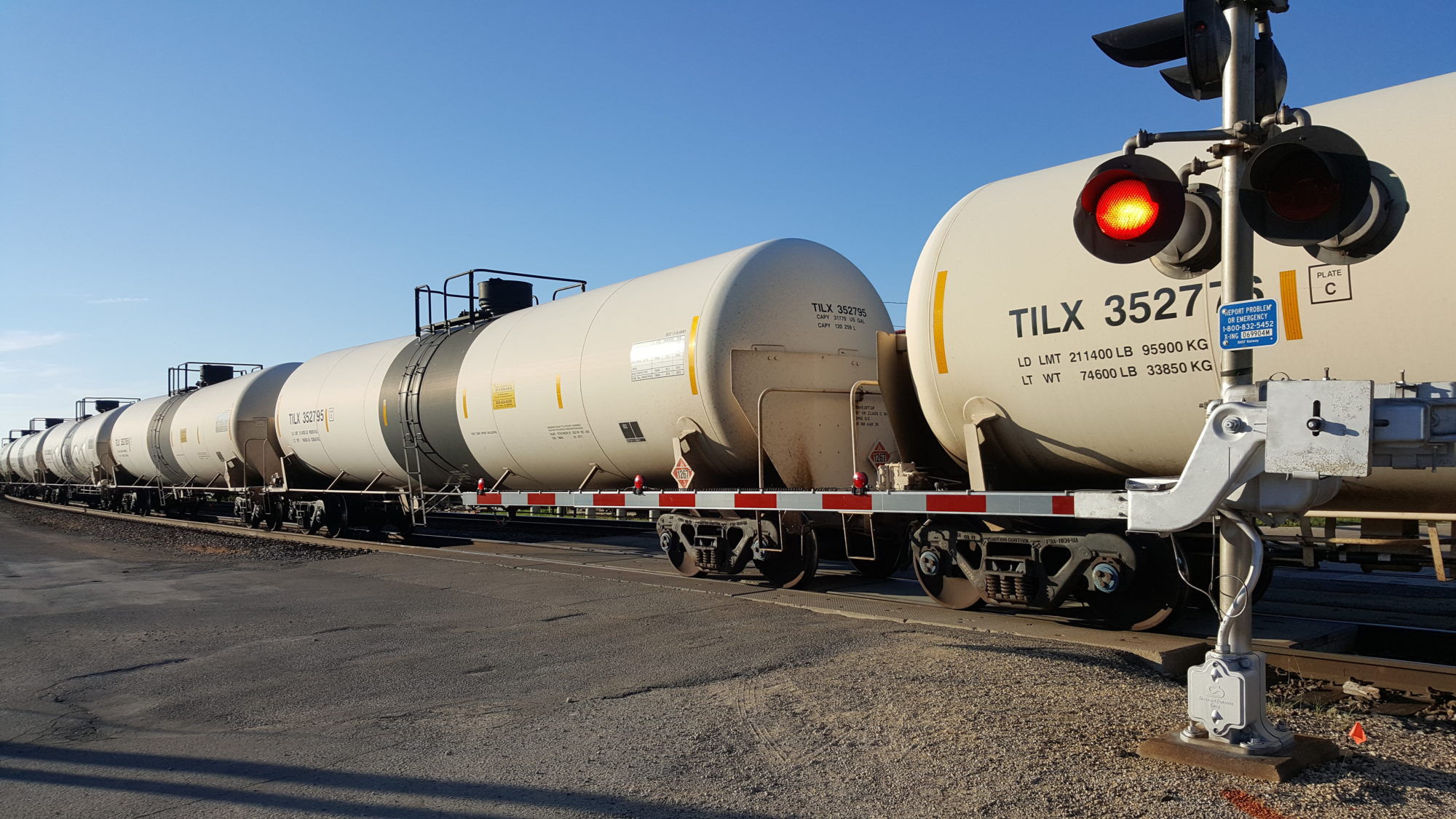
FAQ: What is a tank car or rail tank car?

The term “tank car” is used frequently in the USDOT/PHMSA Hazardous Materials Regulations (HMR) though not clearly defined there.

The term “rail tank car” is not found in the HMR at all though it is often used by the rail industry to indicate its use for rail transport.

The term “rail car” is defined in the HMR and that is where our answer to this FAQ begins.

Rail car is defined at 49 CFR 171.8:

Rail car means a car designed to carry freight or non-passenger personnel by rail, and includes a box car, flat car, gondola car, hopper car, tank car, and occupied caboose.

So…

  • A rail car is designed to carry freight or people by rail.
  • It includes, but is not limited to the following:
    • Box car
    • Flat car
    • Gondola car
    • Hopper car
    • Tank car
    • Occupied caboose.
  • That means that a tank car is a type of rail car.

Contact me with any questions you may have about the transportation of hazardous materials by air, highway, vessel, or rail

International and Domestic

Daniels Training Services, Inc.

815.821.1550

Info@DanielsTraining.com

https://danielstraining.com/

The term tank car is used throughout the HMR regarding the transport of HazMat by rail, including:

  • §173.10 Tank car shipments
  • §173.31 Use of tank cars
  • §174.67 Tank car unloading
  • The specifications for tank cars are found at part 179 of Title 49 of the CFR.
  • More…

Also, tank car is included in the definition of a transport vehicle at §171.8:

Transport vehicle means a cargo-carrying vehicle such as an automobile, van, tractor, truck, semitrailer, tank car or rail car used for the transportation of cargo by any mode. Each cargo-carrying body (trailer, rail car, etc.) is a separate transport vehicle.

Though not clearly defined in the HMR, a tank car is a type of transport vehicle used for the transport of freight – including hazardous materials – and non-passenger personnel by rail.

If you ship or receive HazMat by rail your HazMat Employee training must include the function specific responsibilities unique to those activities.  Contact me to provide you with that training.

Daniels Training Services, Inc.

815.821.1550

Info@DanielsTraining.com

https://danielstraining.com/

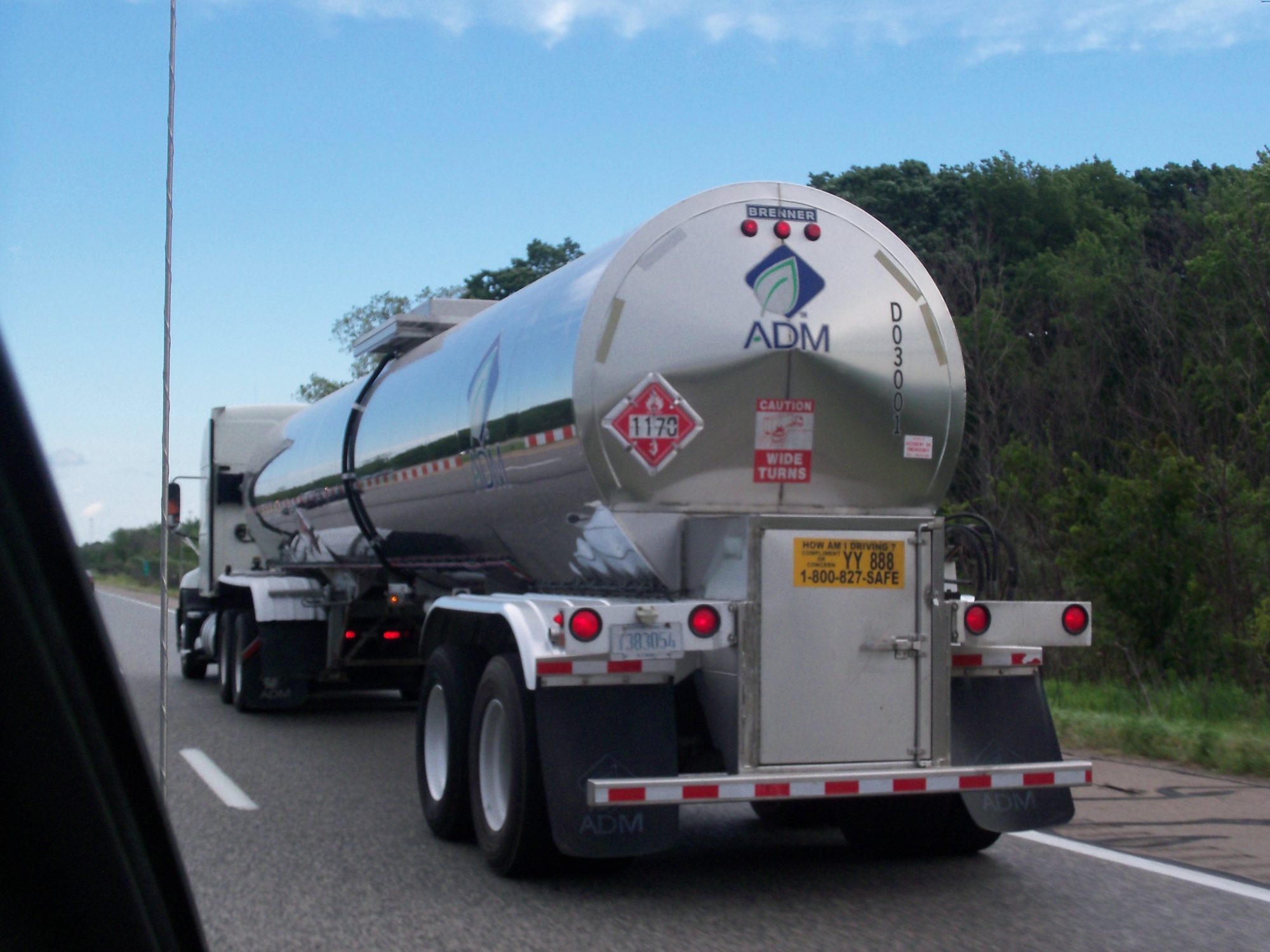
Cargo tank truck of ethanol UN1170

Identification Number Recommendations for Ethanol from the Renewable Fuels Association

A challenge for those involved in the transportation of bulk quantities of ethanol and ethanol products is the display of the correct identification number as a package mark on the bulk packaging.  The challenge is primarily due to the number of different shipping descriptions available for ethanol products depending on the concentration of ethanol in the blend.  Another factor is the difference in classification between PHMSA/USDOT and Transport Canada for the same ethanol blend.

The Renewable Fuels Association (RFA) stepped in to provide the industry with guidance for determining the proper shipping name and the identification number (usually displayed on the placard) for various concentrations of ethanol and ethanol products.  Below is a table of information provide by RFA.

Category of material (Hazard class or division number and additional description, as appropriate)Placard namePlacard design section reference
(49 CFR)
1.4EXPLOSIVES 1.4172.523
1.5EXPLOSIVES 1.5172.524
1.6EXPLOSIVES 1.6172.525
2.1FLAMMABLE GAS172.532
2.2NON-FLAMMABLE GAS172.528
3FLAMMABLE172.542
Combustible liquidCOMBUSTIBLE172.544
4.1FLAMMABLE SOLID172.546
4.2SPONTANEOUSLY COMBUSTIBLE172.547
5.1OXIDIZER172.550
5.2
(Other than organic peroxide, Type B, liquid or solid, temperature controlled)
ORGANIC PEROXIDE172.552
6.1
(other than material poisonous by inhalation)
POISON172.554
6.2(None)
8CORROSIVE172.558
9Class 9
(see 172.504(f)(9))
172.560
ORM-D(None)

Contact me with any questions you may have about the transportation of hazardous materials by air, highway, vessel, or rail

International and Domestic

Daniels Training Services, Inc.

815.821.1550

Info@DanielsTraining.com

https://danielstraining.com/

Search Website