PO Box 1232 Freeport, IL 61032

A Different Kind Of Training

A Different Kind Of Training

A Different Kind Of Training

Q&A: What are the specifications for HazMat package orientation arrows?

A question during the summer of 2018 (07.24.18):

Daniel,

I am emailing you in reference to your article from 2015 on Package Orientation Arrows on HazMat Packaging: https://danielstraining.com/package-orientation-arrows-on-hazmat-packaging/

Is there any instructions on the requirements for these arrows/labels? Meaning does this have to be a certain size, color, multiple colors, etc…

I ship my product in a vented, 20 L container which is blow molded. I would like to incorporate the arrows in the mold itself so that I do not have to slap on one of these stickers every time. Please advise. Thanks!

Like this article?

Subscribe to my Monthly Newsletter

No marketing emails!

My reply that same day:

Thank you for contacting me.  Please see below.

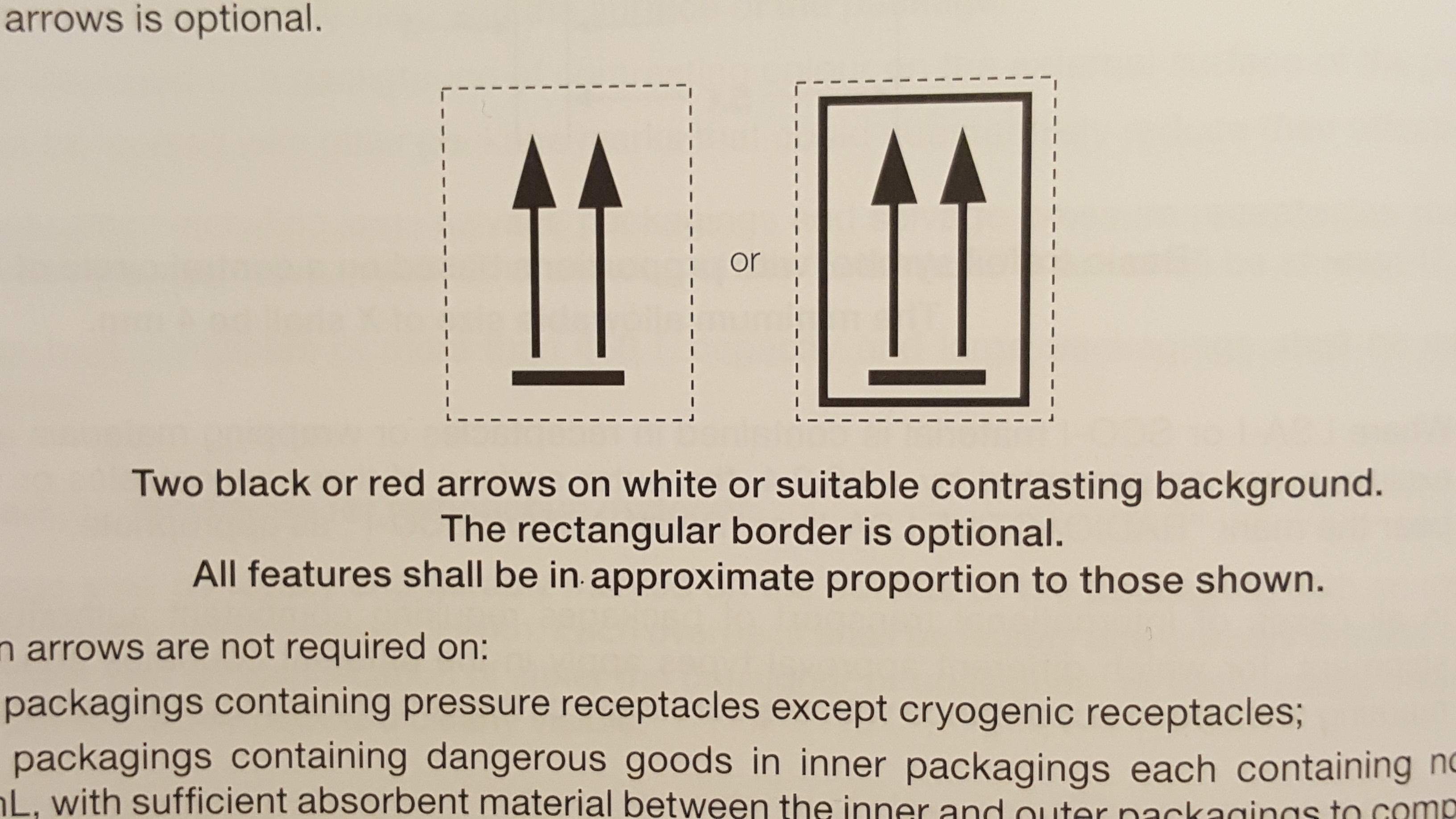
  • The specifications for the appearance of the orientation arrows within the domestic regulations of USDOT/PHMSA can be found at 49 CFR 172.312(a)(2).  Orientation arrows must be:
    • Similar to illustration shown (see below for example).
    • Black or red on white or other contrasting background.
    • Commensurate with size of package.  Exact dimensions are not specified.
    • Rectangular border around arrows is optional.

Package orientation arrow on HazMat Packaging

  • Specifications for appearance within IATA Dangerous Goods Regulations (transport by air) are at 7.2.4.4.
    • Same specifications as shown at 7.4.D or 7.4.E. (see below for images from IATA Dangerous Goods Regulations).
    • Also acceptable are pre-printed package orientation labels of the same specifications as Figure 7.4.D or 7.4.E (ISO Standard 780:1997).
    • Black or red on white or other contrasting background.
    • Minimum dimensions of 74 x 105 mm.
    • “THIS END UP” or “THIS SIDE UP” may be displayed on top of package.
    • “Dangerous Goods” may be inserted on the label below the line.
  • Specifications for appearance within IMO Dangerous Goods Code (transport by vessel) at 5.2.1.7.
    • Similar to illustration shown (see below for image from IMO Dangerous Goods Code).
    • Also acceptable are package marks meeting the specifications of ISO 780:1997
    • Rectangular
    • Of a size that is clearly visible commensurate with the size of the package.  Exact dimensions are not specified.
    • Black or red on white or other contrasting background.
    • Rectangular border is optional.

IMDG Code package orientation arrows

In all cases there must be two arrows and they must be displayed on two opposing sides.

I hope this helps.  Please contact me with any other questions.

Daniels Training Services, Inc.

815.821.1550

Info@DanielsTraining.com

https://danielstraining.com/

Conclusion:

That seemed to do it.  I hope he was able to incorporate the arrows into the blow mold the way he intended.  While I enjoy informing people of the regulations, I enjoy it even more when they are able to save money and improve their business because of it.

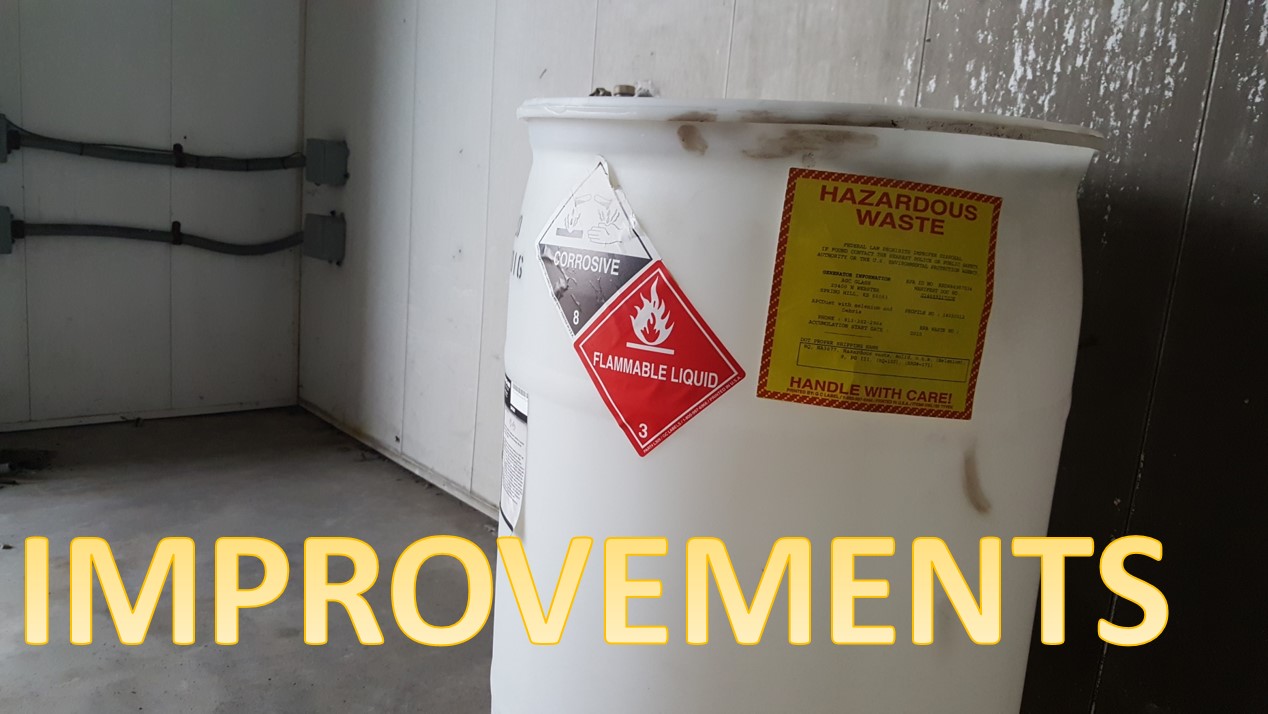
Hazardous waste container

The Hazardous Waste Determination Under the Generator Improvements Rule

A generator of hazardous waste must conduct a hazardous waste determination for all solid waste it generates.  This requirement is codified in federal regulations at 40 CFR 262.11.  A solid waste is defined and explained at 40 CFR 261.2, but for the purposes of this article you may think of a solid waste as any discarded solid, liquid, semi-solid, or containerized gas; pretty much anything you throw away.

The Generator Improvements Rule went into effect on May 30, 2017 in the federal regulations of the U.S. Environmental Protection Agency (USEPA) and in those states that lack an authorized hazardous waste program.  Since that date, states with an authorized hazardous waste program have the option of adopting all of the 60+ changes to the generator regulations or only those that are more stringent than existing regulations.

Since all of the revisions made by the Generator Improvements Rule to the regulations of the hazardous waste determination are more stringent than existing regulations, every state must either adopt these revisions or create its own that are even more stringent.  This article will address the hazardous waste determination as revised by the Generator Improvements Rule found at 40 CFR 262.11 of the USEPA regulations.

View a side-by-side comparison of the old regulations of the hazardous waste determination and the new regulations after the Generator Improvements Rule

Introduction:Hazardous Waste Determination 40 CFR 262.11

A person who generates a solid waste must make an accurate determination as to whether it is a hazardous waste.  This determination must be made using the steps specified in §262.11.

  • A “person” as that term is used by USEPA – and is defined at §260.10 – includes an individual, a business, or branch of government.  This means that every hazardous waste generator – no matter its status – must complete the hazardous waste determination.
  • The determination is the sole responsibility of the generator of the waste.  Though it may be made by someone else: broker, consultant, transporter or TSDF, in the end it is the generator who will be held responsible for making an accurate determination.

Generators are, and always have been, ultimately responsible for making accurate hazardous waste determinations. (November 28, 2018; 81 FR 85750)

And…

A generator’s failure to properly analyze, label, and accumulate waste does not exempt the waste from regulation. (RO 11424).

  • The Generator Improvements Rule codified the requirement that a generator make an “accurate” determination.  In other words, you must get it right.
  • While the regulations prior to the Generator Improvements Rule required the generator to conduct the hazardous waste determination using a specified “method”, the revised regulations require the generator to follow specified “steps”.  This change to one word puts a stronger emphasis on the generator responsibility to follow through precisely as required by USEPA to conduct the hazardous waste determination.

Q:  I’m a very small quantity generator of hazardous waste or VSQG (known as a conditionally exempt small quantity generator or CESQG prior to the Generator Improvements Rule).  I don’t have to complete the hazardous waste determination, right?

A:  Wrong.  One of the conditions for exemption of a VSQG found at §262.14(a)(2) is that it “…complies with §262.11(a) through (d).”  This takes the VSQG all the way through the hazardous waste determination but stops short of paragraphs (e), (f), & (g) which are explained below.

Not sure of your hazardous waste generator status?  Take this short survey

“Accurate”?

The addition of the word accurate to §262.11, though a small change, has a significant impact and is worth further explanation.

  • From Merriam-Webster:

Definition of accurate
1 : free from error especially as the result of care
an accurate diagnosis
2 : conforming exactly to truth or to a standard : EXACT
providing accurate color
3 : able to give an accurate result
an accurate gauge
4 : going to, reaching, or hitting the intended target : not missing the target
an accurate shot/kick

  • The revised text indicates an accurate hazardous waste determination must be made, “in order to ensure wastes are properly managed according to applicable RCRA regulations.”  In other words, the purpose of an accurate determination is to make certain the waste (hazardous or non-hazardous) is managed in compliance with the regulations.
  • The use of “accurate” in §262.11 and its absence elsewhere in the regulations is not meant to imply that other compliance activities can be inaccurate.
  • The inclusion of the language, “in order to ensure wastes are properly managed according to applicable RCRA regulations.” allows for the over-management of a waste.  In other words, a generator may choose to manage their non-hazardous waste as a hazardous waste in order to ensure, beyond a doubt, proper and protective management of the waste.

“Steps”?

A hazardous waste determination must be made at the point of generation and continue throughout its management.  It must be made by the generator using the following steps in this sequence:

  1. Determine the point of generation for the solid waste.
  2. Determine if the solid waste is excluded from regulation at §261.4.
  3. If not excluded, determine if it is a listed hazardous waste per §261, subpart D.
  4. Then, determine if it is a characteristic hazardous waste per §261, subpart C.
  5. Maintain a record of the hazardous waste determination.
  6. Identify all applicable hazardous codes prior to shipping the waste off-site.
  • Notice that this is the hazardous waste determination and not a solid waste determination.  In fact, the regulations at §262.11 don’t explicitely direct a hazardous waste generator to identify the generation of a solid waste.  However, the opening language of the regulation reads:  “A person who generates a solid waste, as defined in 40 CFR 261.2…”  So, it is necessary to identify the generation of a solid waste before you can determine the presence of a hazardous waste.  Also, as noted below, the hazardous waste determination must begin at the point of generation, which is the moment a material is discarded and becomes a solid waste.

Contact me with any questions you may have about the generation, identification, management, and disposal of hazardous waste

Daniels Training Services, Inc.

815.821.1550

Info@DanielsTraining.com

https://danielstraining.com/

When must the hazardous waste determination be made?

Though a long-standing policy and position of the USEPA that a hazardous waste determination be made at the point of generation, the Generator Improvements Rule codified this language at §262.11(a).

  • Hazardous waste determination must be made at the point of generation before any dilution, mixing, or other alteration that may change the waste.  Point of generation includes both the time and place the waste was first generated (81 FR 85750).
  • It is critical, therefore, that the generator determine the exact point of generation of the waste.  Any dilution, mixing, or alteration of the waste after this point may be regulated as treatment.
  • The determination must continue throughout the cradle-to-grave management of the waste.  That requires the generator to know the qualities of its waste, the conditions it will face during management, and to anticipate the changes it may undergo.  For example, a solution of a non-hazardous waste may – over time – separate into two or more phases, one of which may display a characteristic of a hazardous waste.

Excluded from regulation? Really?

USEPA regulations include many exclusions from regulation.  §262.11(b) now mandates that the generator determine if any of them apply to its waste.  If the generator can meet the conditions of one of these exclusions the solid waste may not be a hazardous waste or – even better – it may not be a solid waste at all and remain a material.  If any of these exclusions apply – and the generator chooses to utilize it – the hazardous waste determination will end right there.

Interested in site specific training at your site that covers this topic, and more!

Ask me about my Onsite Training

But what if the solid waste is not excluded at 40 CFR 261.4?

If not excluded at §261.4, the generator must then use their knowledge of the waste to determine if it is a listed hazardous waste.  At §262.11(c) the new regulations of the Generator Improvements Rule mandate that solely generator knowledge be used to identify a listed hazardous waste.  It also identified what is acceptable to use as knowledge.

  • The four (4) types of listed hazardous waste regulated by USEPA are identified at §261, subpart D.
  • Acceptable knowledge for completing this step of the hazardous waste determination may include:
    • Waste origin
    • Waste composition
    • The process producing the waste
    • Feedstock
    • Other reliable and relevant information
  • If it has an authorized hazardous waste program, your state may identify and regulate listed hazardous waste in addition to those of the USEPA.
  • The determination of a listed hazardous waste is based solely on generator knowledge.  It does not require the testing of a representative sample.
  • If listed, a generator may submit a de-listing petition to USEPA or its state per §260.20 & §260.22 to demonstrate the waste is not a hazardous waste.

That takes care of listed hazardous waste.  What about characteristic hazardous waste?

The generator must also determine if the waste exhibits one or more hazardous characteristics using either generator knowledge, testing of a representative sample if knowledge is inadequate, or a combination of both.  This represents a change from the original regulations at §262.11(c) which required the use of either testing or knowledge to determine the characteristic, but not both.  These regulations are now found at §262.11(d) and divided into two paragraphs:  (1) for the use of knowledge and (2) for the testing of a representative sample.

  • The four (4) types of characteristic hazardous waste regulated by USEPA are identified at §261, subpart C.
  • The determination of hazardous waste characteristics is required whether or not the waste was earlier (at §262.11(c)) identified as a listed hazardous waste.
  • The determination of a characteristic hazardous waste must first be made using knowledge of the waste.  If that knowledge is inadequate to make an accurate determination the generator must then test a representative sample.  However, if knowledge is adequate to make an accurate determination the testing of a representative sample is not required.
  • For the purposes of this step of the determination, acceptable knowledge may include:
    • Process knowledge (e.g., information about chemical feedstocks and other inputs to the production process).
    • Knowledge of products, by-products, and intermediates produced by the manufacturing process.
    • Chemical or physical characterization of wastes.
    • Information on the chemical and physical properties of the chemicals used or produced by the process or otherwise contained in the waste.
    • Testing that shows the properties of the waste.
    • Other reliable and relevant information about the properties of the waste or its constituents.
  • Test a representative sample of a wasteTesting of a representative sample of the waste by other than an approved method (found at §261, subpart C) or an equivalent test method approved by USEPA per §260.21, may be done and considered as generator knowledge.  However, such unapproved tests do not, by themselves, provide definitive results.
  • When available knowledge is inadequate to accurately determine if a waste displays the characteristic of a hazardous waste, the generator must do the following:
    • Obtain a representative sample of the waste as that term is defined at §260.10.
    • Test the sample according to the applicable methods of §261, subpart C or an equivalent method approved by USEPA per §260.21.
  • The results of a test properly performed per the requirements of §261, subpart C (but not §260.21) are definitive for the purposes of determining a hazardous waste characteristic.

What if the determination reveals a hazardous waste?

If the waste is determined to be hazardous the generator must refer to the specified parts of Title 40 for other possible exclusions or restrictions specific to the waste.

  • The specified parts are as follows:
    • 261 – Identification and listing of hazardous waste
    • 264 – Standards for owners and operators of treatment, storage, and disposal facilities
    • 265 – Interim standards for owners and operators of treatment, storage, and disposal facilities
    • 266 – Standards for the management of specific hazardous waste and specific types of hazardous waste management facilities

      Read: What’s the difference between Parts 264 and 265 of Title 40?

    • 267 – Standards for owners and operators of hazardous waste facilities operating under a standardized permit
    • 268 – Land disposal restrictions
    • 273 – Standards for universal waste management
  • But, where’s the used oil?  A material meeting the definition of used oil is subject to regulation at §279 and not those for a hazardous waste generator.  The generator of a used oil is not subject to the hazardous waste determination.  (RO 14054)
  • This paragraph of these regulations is unchanged from its form before the Generator Improvements Rule, though its citation has changed (it used to be at §262.11(d)).

Recordkeeping:

Created entirely new by the Generator Improvements Rule, this paragraph at §262.11(f) details the applicability of and requirements for maintaining records of the hazardous waste determination.  A small or large quantity generator must maintain records supporting its hazardous waste determinations, including records that identify whether a solid waste is a hazardous waste.

  • Prior to the Generator Improvements Rule the requirement for maintaining records of a hazardous waste determination was located at §262.40(c).  It was moved to §262.11 to highlight the importance of the recordkeeping requirement to the hazardous waste determination.  A reference to §262.11(f) remains at §262.40(c).
  • Though proposed, the Generator Improvements Rule did not finalize a requirement for generators to maintain records of their non-hazardous waste determination; though it is recommended as a best management practice.  So, if an accurate hazardous waste determination results in the determination of a non-hazardous waste, the generator is not required to maintain a record of that determination.  However, some states may be more stringent than federal regulations and may therefore require a generator to maintain records of a non-hazardous waste determination.

Q:  Does an inspector have the authority to ask for a hazardous waste determination be performed – or a record of one be provided – for a non-hazardous waste?

A:  Yes.  “When situations warrant, inspectors have the authority to ask that a hazardous waste determination be performed by the generator in the absence of any documentation and the attributes of the waste suggest a potential problem.”  (81 FR 85754)

  • Records of a hazardous waste determination must be maintained for at least three (3) years from the date the waste was last sent to on-site or off-site treatment, storage, or disposal.  Of course, record retention is extended automatically during an enforcement action or as requested by USEPA.
  • The records must comprise the generator’s knowledge of the waste and support the generator’s determination of the waste as either a listed or characteristic hazardous waste.
  • The records must include, but are not limited to, the following types of information:
    • The results of any tests, sampling, waste analyses, or other determinations made for the hazardous waste determination.
    • Records documenting the tests, sampling, and analytical methods used to demonstrate the validity and relevance of such tests.
    • Records consulted in order to determine the process by which the waste was generated, the composition of the waste, and the properties of the waste.
    • Records which explain the knowledge basis for the generator’s determination of a hazardous waste characteristic.

If you like this article, please share it using any of the social media platforms identified at the bottom of this article.

You’ll look real smart sharing my articles!

Hazardous waste codes:

Also new thanks to the Generator Improvements Rule, §262.11(g) requires the generator (small and large quantity generator only) to identify all USEPA hazardous waste codes (aka: hazardous waste numbers) applicable to the waste.

  • Of course, this step need only be taken if the waste is determined to be a hazardous waste since only a hazardous waste has hazardous waste codes.
  • The generator must identify all applicable hazardous waste codes prior to offering the hazardous waste for off-site transportation.  It is not necessary to identify waste codes at the point of generation.  However, SQGs and LQGs may have waste management practices in place and choose to identify the RCRA waste codes sooner than prior to off-site shipment.
  • Federal hazardous waste codes are identified in subpart C and D of part 261.
  • A state may have waste codes in addition to those of the USEPA.  In that case state regulations will require their identification as well.
  • As part of the pre-transport requirements of §262.32, a small quantity generator and large quantity generator must mark its containers with all applicable hazardous waste codes prior to offering for off-site transportation.  Read: Marking of a Hazardous Waste Container for Off-Site Transportation.
  • The very small quantity generator is not required to identify the hazardous waste codes applicable to its hazardous waste.

Done!

Remember, the hazardous waste determination is only the first step of your responsibilities as a hazardous waste generator.  After you have completed the hazardous waste determination you must count your hazardous waste generation and determine your hazardous waste generator status (both of these regulations were also changed by the Generator Improvements Rule, but that’s an article for a later date).


Daniels Training Services, Inc.

815.821.1550

Info@DanielsTraining.com

https://danielstraining.com/

Comparison of Changes to the Hazardous Waste Determination Regulations Made by the Generator Improvements Rule

In another article I review in detail the federal USEPA regulations of 40 CFR 262.11 and its requirements to conduct a hazardous waste determination as those regulations were changed by the Generator Improvements Rule.  Read:  The Hazardous Waste Determination Under the Generator Improvements Rule.

While the in-depth analysis of that article will assist you in understanding and complying with this very important regulation, it may also be of assistance to you to see – side-by-side – the applicable regulations before and after the changes of the Generator Improvements Rule.  That is the purpose of this article.

[table “HazWasteDetermine” not found /]

Contact me with any questions you may have about the generation, identification, management, and disposal of hazardous waste

Daniels Training Services, Inc.

815.821.1550

Info@DanielsTraining.com

https://danielstraining.com/

Q&A: Does the De Minimis exception apply to Division 6.1, Packing Group I Poisonous Materials?

Sometimes the questions I receive challenge me to re-visit older articles and dig deeper into the regulations.  Like this one from November 23 of 2017:

Dear Mr. Stoehr,

I saw the piece you wrote on applicability of  “De Minimis quantities” on your website. Are you suggesting that other classes of Hazardous Material such as Class 2, Division 5.2, Division 6.2,  and packing group I of other authorized HazMat are not allowed to be shipped in De Minimis quantities according to the rules for shipping De Minimis quantities? Looking forward to your reply. Thanks.

Best

Contact me with any questions you may have about the transportation of hazardous materials by air, highway, vessel, or rail

International and Domestic

Daniels Training Services, Inc.

815.821.1550

Info@DanielsTraining.com

https://danielstraining.com/

I researched the regulations, checked my article, and got back to him the same day:

Thank you for contacting me.  I will try to answer your question below.

  • Some HazMat, i.e., Division 6.2 Infectious Substance, is not eligible for the De Minimis Exception.
  • A packing group I of any HazMat is not subject to the De Minimis Exception.
  • The De Minimis Exception is only available to the following hazard classes and divisions of Packing Group II or III:
    • Class 3 Flammable and Combustible Liquid
    • Division 4.1 Flammable Solid
    • Division 4.2 Spontaneously Combustible
    • Division 4.3 Dangerous When Wet
    • Division 5.1 Oxidizer
    • Division 6.1 Poisonous Material
    • Class 8 Corrosive Material
    • Class 9 Miscellaneous
  • Read: The De Minimis Exception from the Hazardous Materials Regulations

I hope this helps.  Please don’t hesitate to contact me with any other questions.


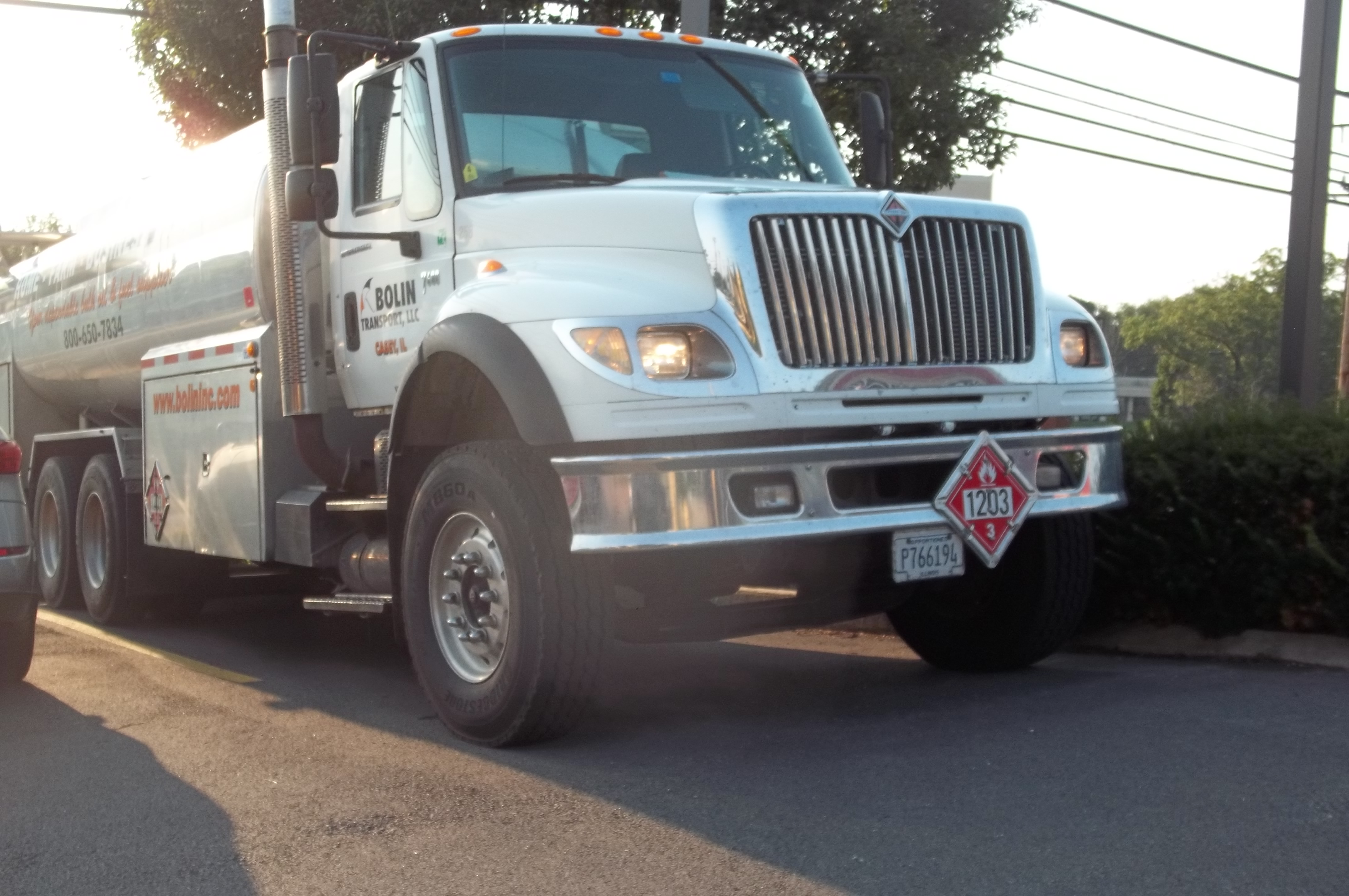
Cargo Tank Truck UN1203

Q&A: Do I need special paperwork that shows my truck has been cleaned and washed before transporting?

A question I received back on November 17, 2017:

I have a company that wants me to haul a used fuel truck that has hauled gas and diesel fuel they say it has been empty and setting in a storage lot for a period of time. Do I need special paperwork that shows that this truck has been cleaned and washed before transporting?

A pretty common question, so I was able to respond that same day:

Thank you for contacting me.  Please see below.

  • No.
  • It is the responsibility of the shipper (in this case the company that asked you to haul the fuel tank truck) to ensure that a packaging contains no residue of a HazMat and no dangers from it.  In the case of a Class 3 flammable liquid (gasoline & diesel) this would mean the absence of vapors.  The shipper does not need to provide a certification that the tank truck has been cleaned and purged.
  • It is the responsibility of the carrier (you) to reject a shipment if it is not in compliance with the regulations.  e.g. it is classified as non-HazMat but contains the residue – or vapors – of a class 3 flammable liquid and is therefore HazMat.

Contact me with any questions you may have about the transportation of hazardous materials by air, highway, vessel, or rail

International and Domestic

Daniels Training Services, Inc.

815.821.1550

Info@DanielsTraining.com

https://danielstraining.com/

In sum:

You may accept the cargo tank for transport as non-HazMat based solely on the certification of the shipper.  However, I highly recommend that you or your driver ensure there is no HazMat residue – not even vapors – in the cargo tank.  If any concern at all you should reject the shipment until it is rinsed, cleaned, and purged of all vapors so no hazard remains.  If this cannot be done it should be shipped as HazMat:  shipping paper, placards, HazMat Employee training &etc.
Please see below for more information:

Q&A: When does a spill or leak become ‘reportable’?

An interesting aspect of a business like mine is its international application.  This question came from a university professor in South America.

Hi Daniel.

In a group of Hazardous Materials from emergency services a friend ask this:

“Seeking some guidance on policies relating to cost recovery for manpower and materials used in hazmat response to responsible parties. To fine tune it, when does your agency begin the process? Is it by gallons/ material, local environmental codes ordinances, or other. Any advice would be of great assistance.”

Can you bring us some advice about this?

Thank you.

My reply about a week later on November 20, 2017:

I will do my best to answer you questions and provide you with information.  Please note that my areas of expertise are the regulations – international and domestic – for the transport of HazMat/dangerous goods and the domestic regulations for the management of hazardous waste.

I understand your question for me to be: “When must emergency response agencies be notified of a spill or leak?”  Put another way: “When does a spill or leak become ‘reportable’ under the regulations?”
  • USEPA regulations under CERCLA and EPCRA identify hazardous substances and extremely hazardous substances and the notification requirements when either have been involved in a release above their reportable quantity (RQ).  Read:  Reporting Releases of Hazardous Substances and Extremely Hazardous Substances
  • PHMSA/USDOT regulations specifically include a hazardous substance in the definition of a hazardous material.  Read:  What does PHMSA/USDOT define as a hazardous substance?
  • Anyone witnessing an oil spill, chemical release or maritime security incident should call the National Response Center NRC hotline at 1-800-424-8802.
  • PHMSA/USDOT regulations require two different types of HazMat incident reporting:  an immediate report and a written report.
  • Any person in charge of an onshore or offshore facility must notify the National Response Center (NRC) immediately after he or she has knowledge of the discharge.  Oil discharges that reach navigable waters must be reported to the NRC at 1-800-424-8802 or 1-202­-426-2675.
  • Notifications to state environmental or emergency response agencies vary by state.  Some require notification if a release is above a certain volume threshold (e.g. 25 gallons).  Others require notification if a spill comes within a certain distance of a navigable waterway.
  • There may also be notification requirements of a county or city.
  • A region surrounding a body of water (e.g.  Puget Sound, Chesapeake Bay) may require notification in the event of a spill or release.
  • A Publicly Operated Treatment Works (POTW), aka: sanitary sewer district will likely require a report to be submitted to it if a ‘slug’ or unpermitted contaminant enters its sanitary sewer.

I hope this helps.

Please don’t hesitate to contact me if you have any other questions.

Daniels Training Services, Inc.

815.821.1550

Info@DanielsTraining.com

https://danielstraining.com/

That must have done it because I didn’t hear from him again.  Though not central to my main focus on HazMat transportation and waste management, the regulations of EPCRA, CERCLA and related emergency response and reporting falls within the scope of USDOT HazMat Employee training and USEPA Hazardous Waste Personnel (RCRA) training.  I’m glad I had the knowledge to be of assistance to this person.

Unknown Waste

FAQ: What is a representative sample?

A generator of a hazardous waste must conduct a hazardous waste determination in order to ensure its wastes are properly managed.  This determination may be conducted using solely generator knowledge of the waste and the process of generation or it may include the testing of a representative sample of the waste using either an approved test method (40 CFR 261, subpart C) or an equivalent test method approved by USEPA (40 CFR 260.21).  Both test methods require the generator to collect and submit for analysis a representative sample of the waste.

The term “representative sample” as used by USEPA is defined at 40 CFR 260.10:

Representative sample means a sample of a universe or whole (e.g., waste pile, lagoon, ground water) which can be expected to exhibit the average properties of the universe or whole.

Contact me with any questions you may have about the generation, identification, management, and disposal of hazardous waste

Daniels Training Services, Inc.

815.821.1550

Info@DanielsTraining.com

https://danielstraining.com/

Sample methods that can be used to obtain a representative sample are listed in Appendix I to Part 261.  At §261.20(c) it indicates that any of the applicable sample methods specified in Appendix I will be considered a representative sample as that term is defined at §260.10.  And, in a comment to 261.20(c):

…a person who desires to employ an alternative sampling method is not required to demonstrate the equivalency of his method under the procedures set forth in §§260.20 and 260.21.

In short, you may use an alternative sampling method (one not identified in Appendix I) and you can do so without having to demonstrate its equivalency; but, no matter what method is used, all samples obtained for the purpose of the determining the characteristic of a hazardous waste for the hazardous waste determination must be a representative sample, which brings us back to the definition in §260.10.

Q:  Where can I learn how to obtain a representative sample?

A: ASTM D5956, Standard Guide for Sampling Strategies for Heterogeneous Wastes

Q&A: Do the IATA Dangerous Goods Regulations allow for the display of “MISCELLANEOUS” on the Class 9 label?

A question from half a world away on November 11, 2017:

Hi Daniels Training Services

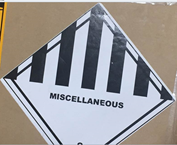
I’m <<Name>> from Vietnam. My company has used DG hazard label – class 9 Miscellaneous with word (there is word “Miscellaneous”) shipment of battery UN3480, PI965 Section IB.

Class 9 Miscellaneous label

My question: is this label Class 9 with word compliance with IATA’s requirement or not ?

Because I’ve seen two kind of Class 9 label :

  • DG hazard label – class 9 Miscellaneous with word
  • and DG hazard label – class 9 Miscellaneous without word

I don’t DG hazard label – class 9 Miscellaneous with word is ok to use or not ?

Thanks

My reply that same day:

Thank you for contacting me. I will try to answer your question below:

  • A lithium battery shipped according to PI965, Section IB must display one of the following Class 9 labels:
    • Class 9 Miscellaneous is acceptable for use until 12.31.18 but may not be used after that date.
    • Class 9 Lithium Battery is acceptable as of 01.01.17 and is mandatory as of 01.01.19.
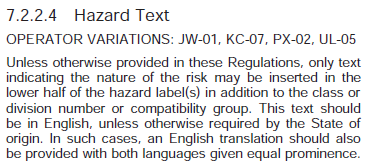
  • 7.2.2.4 of the IATA DGR allows for the display of information such as the hazard class name (e.g. Miscellaneous) in the bottom part of the label as long as the text does not obscure or detract from other required information. If used, text should be in English.
  • 7.2.2.4 also forbids the display of text in the lower half of the Class 9 Lithium Battery label.

In sum:

The label you indicate is acceptable for shipments of lithium batteries with the word “Miscellaneous” displayed but only until the end of 2018 (12.31.18). After that date the Class 9 Lithium Battery label must be used. You may continue to use the label you indicate after 12.31.18 but not for shipments of lithium batteries. It may be used for other Class 9 Miscellaneous dangerous goods.

Read: Replacement of the Class 9 Miscellaneous label with the Class 9 Lithium Battery label

I hope this helps. Please don’t hesitate to contact me with any questions.

Contact me with any questions you may have about the transportation of hazardous materials by air, highway, vessel, or rail

International and Domestic

Daniels Training Services, Inc.

815.821.1550

Info@DanielsTraining.com

https://danielstraining.com/

He replied gratefully the next day (but it could have been the same day in Vietnam, I’m not sure how that works):

Hello Daniel,
Thanks so much for your promptly feedback about my question.
To me, it’s excellent answer and details. It’s over my expectation.
Your explanation of Class 9 Miscellaneous with word “Miscellaneous” is clear. it help me to solve the issue we are facing with DG team at airport. They said my label Class 9 Miscellaneous with word is wrong label because there is word “Miscellaneous” on the label.
My team has used this label Class 9 Miscellaneous with word for DG shipment in many years, but now DG team airport told me it was wrong label, so i needed to find evidence or IATA document talk about this.
Again, thanks for your feedback. Specially remind time out of using old label Class 9 (31.12.2018), also point 7.2.2.4 of the IATA DGR allows for the display of information such as the hazard class name (e.g. Miscellaneous) in the bottom part of the label.

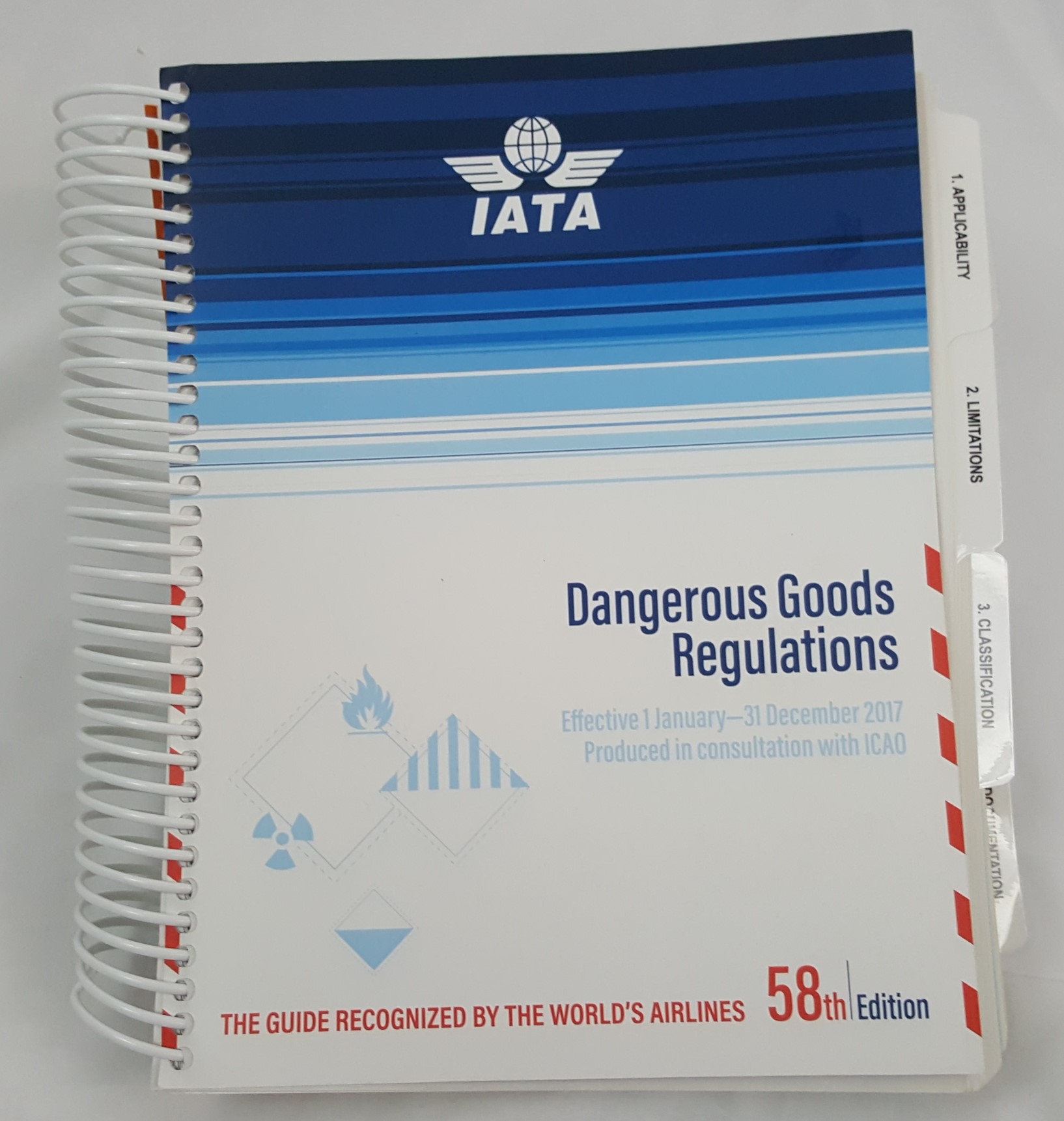
58th edition of IATA DGRBut we weren’t done! Two and one half (2 1/2) hours later the guy’s problems aren’t over so he contacts me again:

Hello Daniel,
Sorry , bother you again.
I tried to search in internet to find the state 7.2.2.4 to talk about the IATA DGR allows for the display of information such as the hazard class name (e.g. Miscellaneous) in the bottom part of the label as long as the text does not obscure or detract from other required information.

However, I just found 7.2.2.4 in 54th Edition IATA Dangerous Goods Regulations (2013) only, while version now is 58th (2017).
Is the under state 7.2.2.4 of 54th edition IATA DGR OK to show with the DG team at airport ?
I means I want to tell the DG team at airport that the 7.2.2.4 allows to show word “Miscellaneous” on lower haft of Class 9 label, and persuade them to accept this my label.

7.2.2.4 IATA DGR 54th Edition

Thanks

I had to help this guy! It took me until the afternoon of the next day:

I apologize for my delay in replying to your latest question. Please see below.

  • Even though the regulations may not have changed since 2013, it is not acceptable to use older editions of the IATA DGR to determine compliance.
  • This particular regulation has changed since 2013. I know this because in the 58th Edition (see below) there is an open triangle near the entry which indicates a change from the previous (57th) edition.
  • You are unlikely to find any recent editions of the IATA DGR on-line since they must be purchased from IATA or some other supplier.
  • If you ship dangerous goods by air you must have access to the IATA DGR. I recommend you purchase yours from ICC Compliance Center.
  • Also, you and your employees must receive training on the IATA DGR every two years. I can provide this training.

I hope this helps.

Please don’t hesitate to contact me with any other questions.

Like this article?

Subscribe to my Monthly Newsletter

No marketing emails!

His reply late that day seemed to indicate all was well:

Daniel,
Thanks for your information.
It help so much.

Conclusion:

I never did find out the end of the story but I’m hopeful once he was able to show the airport personnel the applicable regulations (for that time) he was able to get his hazardous material on its way to its destination.  This is a good example of how knowledge of the regulations not only ensures compliance but is critical in working through misunderstandings such as this.

cargo tank motor vehicle

Q&A: Do I need a purge ticket for my cargo tank?

A question from November 12, 2017:

cargo tank motor vehicle
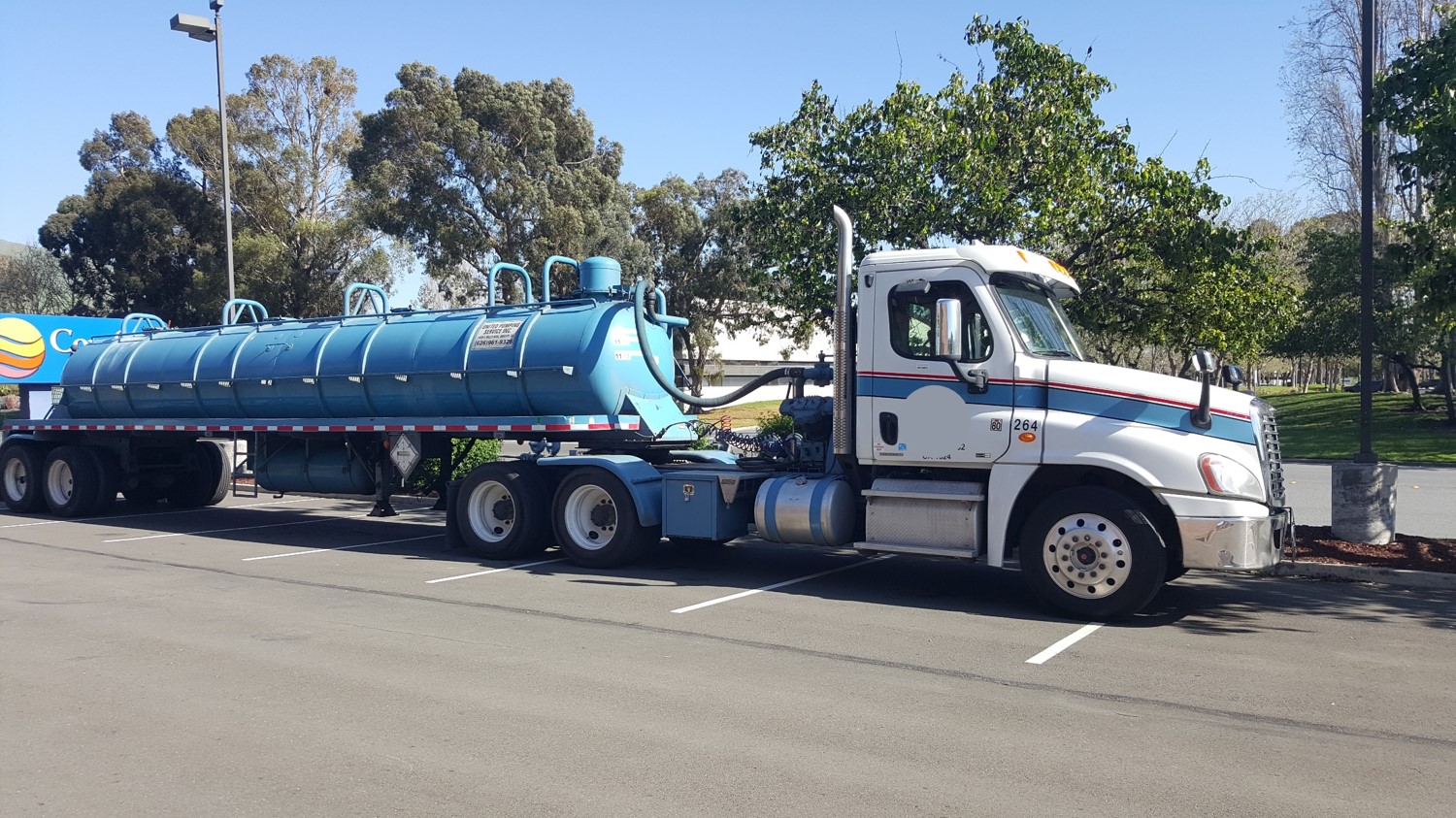
“tanker trailer” referred to in the hazardous materials regulations as: cargo tank

Hello, I just bought a tanker trailer and the seller said it was last used to haul non hazmat. The companies that want to transport it to me are asking for a wash ticket and that it be purged. Do I need to do that?

My reply the next day (11.13.17):

Thank you for contacting me. I will try to answer your question below.

  • The regulations of the USDOT do not require a wash/purge ticket for a packaging that contained a non-hazardous material. Non-HazMat are not subject to DOT’s Hazardous Materials Regulations.
  • The vehicle and trailer may be subject to other DOT regulations for licensing &etc.
  • If the trailer contained the residue (even vapors) of a hazardous material then it must be transported as one of the following:

Or…

    • Rinsed & cleaned & purged of all vapors so no hazard remains. In this case it can be shipped as non-HazMat.
  • A wash or purge ticket or certificate is not required to achieve the above. If you as the shipper are willing to certify that no hazard remains then it can be shipped as non-HazMat.
  • Of course, the carrier can always reject your certification and demand more – such as a wash/purge ticket – but it is not required by regulation.

In sum: you are not required to provide a wash/purge certificate in this case but you may need to or else find another carrier.

I hope this helps. Please don’t hesitate to contact me with any other questions.

His reply that day (kinda’ made all of my work for naught!):

Thank you for the clarification. I did go to the company that sold me the vehicle and I did receive a purge ticket. The carrier that wants to transport my trailer to me wanted one. I just wasn’t sure. Thanks for the info again.

Daniels Training Services, Inc.

815.821.1550

Info@DanielsTraining.com

https://danielstraining.com/

Conclusion:

I’m glad that it all worked out for this person.  This type of situation is not uncommon in the HazMat transportation industry; someone insists on something not required by the regulations.  Your options are either to “push back” and ask them to cite the regulations they are using as justification for their claim or meekly go along with their demands.  (I don’t intend to disparage the meek, they help to get a lot of things done.)

For more information on this topic read: Emptying a Hazardous Material Packaging

FAQ: What is a large packaging?

If you are a shipper of hazardous materials (HazMat) you are subject to the Hazardous Materials Regulations (HMR) of the Pipeline and Hazardous Materials Safety Administration within the U.S. Department of Transportation (USDOT/PHMSA).  The HMR identify a variety of packagings used for the transportation in commerce of hazardous materials.  One of these packagings to be explained in this article is the large packaging. (more…)

Search Website