PO Box 1232 Freeport, IL 61032

A Different Kind Of Training

A Different Kind Of Training

A Different Kind Of Training

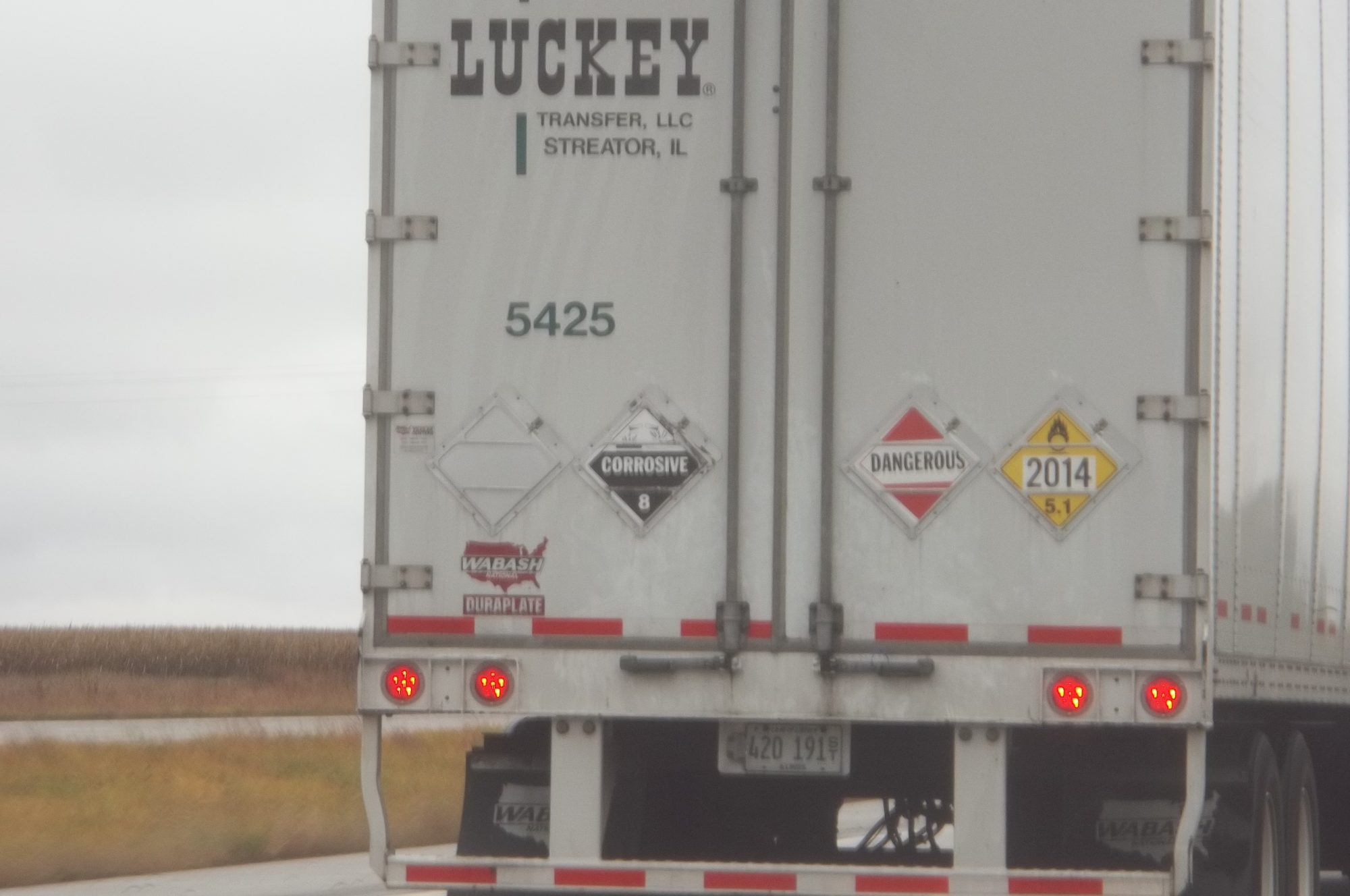
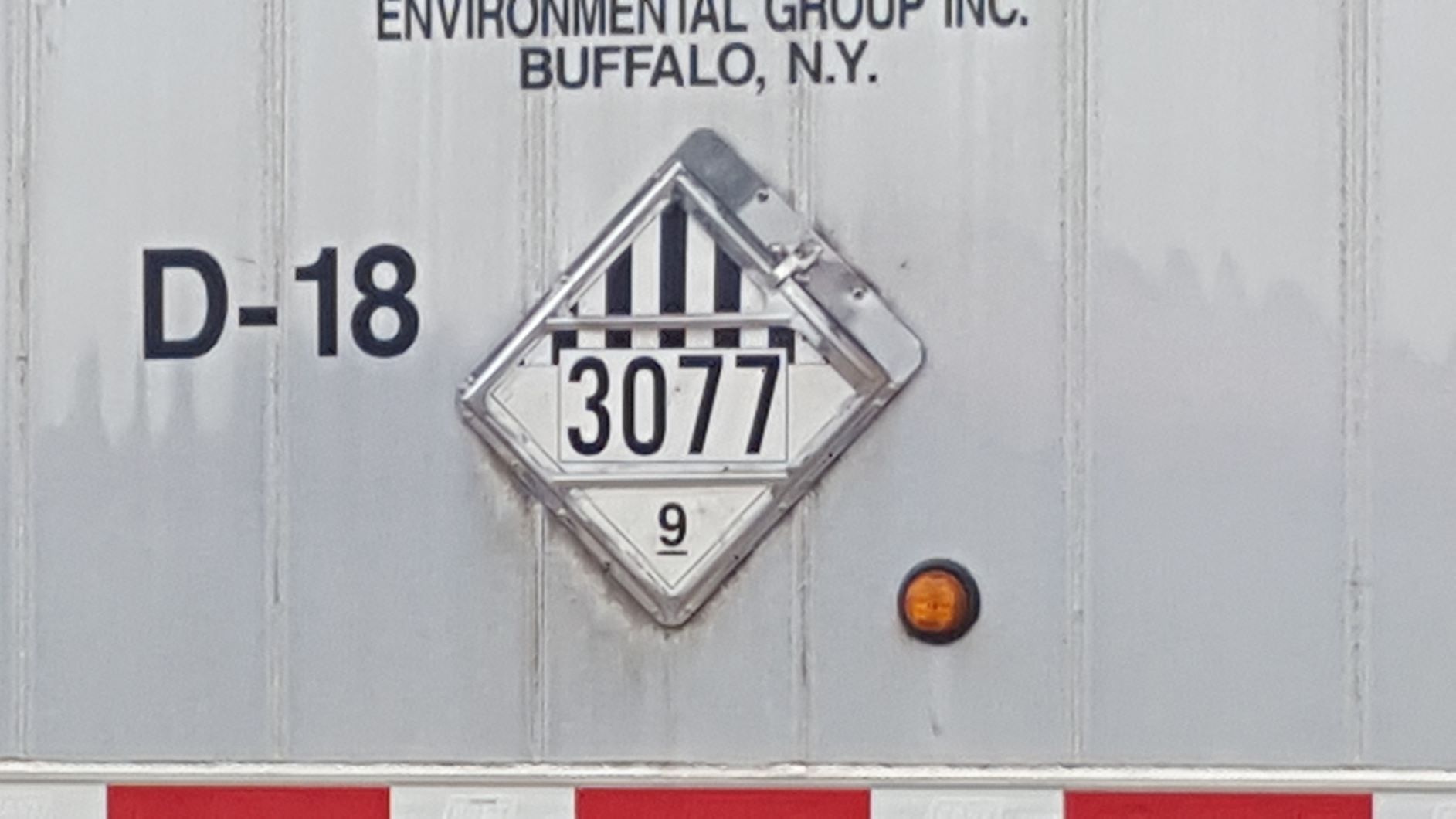
UN3077 Class 9 Placard

Q&A: Can I use the Dangerous Placard for this HazMat load with Class 9 Miscellaneous?

A question through my website May 14, 2020:

Got a question about dangerous placard, today I picked up 10,000 pounds of bulk class 9 3077 1500 pounds non bulk class 3 400 pounds non bulk class 4.1 700 pounds non bulk class 8 30 pounds non bulk class 2.1 and 600 pounds non bulk 6.1 pgll at one facility so I put a bulk 9 3077 and a Dangerous on the trailer but my company said I could not cover the 1500 pounds of class 3 with the Dangerous because it was over 1001 pounds and that I should have put a bulk 9 3077 class 3 and a Dangerous. Who’s right and why?

My reply a few days later on May 20, 2020:

Thank you for contacting me. I will try to answer your question. Please see below.

Contact me with any questions you may have about the transportation of hazardous materials by air, highway, vessel, or rail

International and Domestic

Daniels Training Services, Inc.

815.821.1550

Info@DanielsTraining.com

https://danielstraining.com/

My summary of your situation:

  • All hazardous materials (HazMat) were loaded on one vehicle from one location.
  • Consignment includes the following:
    • 10,000 lb of Class 9 Miscellaneous in bulk packagings. Identification number for this HazMat is UN3077.
    • 1,500 lb Class 3 Flammable Liquid in non-bulk packagings.
    • 400 lb Division 4.1 Flammable Solid in non-bulk packagings.
    • 700 lb Class 8 Corrosive Material in non-bulk packagings.
    • 30 lb Division 2.1 Flammable Gas in non-bulk packagings.
    • 600 lb of Division 6.1 Poisonous Material (Packing Group II) in non-bulk packagings.
    • Whew!

Display of Dangerous PlacardSummary of applicable Hazardous Materials Regulations (HMR) of the Pipeline and Hazardous Materials Safety Administration within the U.S. Department of Transportation (USDOT/PHMSA):

  • Pursuant to 49 CFR 172.504(a) a vehicle transporting any amount of HazMat must display the applicable placards on the vehicle.
  • However, §172.504(c) allows for an exception from placarding if a non-bulk packaging of placarding Table 2 HazMat, and in a quantity of less than 454 kg (1,001 lb).
  • Pursuant to §172.331(c) if a bulk packaging is contained within a vehicle and the HazMat’s identification number marked on the bulk packaging is not visible, the identification number must be displayed on the vehicle.
  • When the HazMat’s identification number is required to be displayed on a vehicle, it may be displayed in any of the following methods per §172.332:
    • On orange panel.
    • On the placard.
    • On a white square-on-point.
  • Under §172.502(c), placards may be displayed on a vehicle, even when not required, if the placarding otherwise conforms to the requirements of the HMR. This is known as permissive placarding.
  • §172.504(b) allows for the display of the Dangerous placard on a vehicle as an option instead of the individual placards under the following conditions:
    • HazMat is in non-bulk packagings.
    • Vehicle contains two or more categories of HazMat that require placards specified in placarding Table 2. Note: the use of the word “require” here is misleading since, subject to permissive placarding, placards may be displayed on a vehicle even when not required. Therefore, this might better read, “vehicle contains two or more categories of HazMat where a placard type is indicated in placarding Table 2, but not necessarily required by the HMR.”
    • The Dangerous placard may not be used for a HazMat if 1,000 kg (2,205 lb) or more of that HazMat is loaded on a vehicle at one facility. Note: if 1,000 kg (2,205 lb) or more of a single HazMat is loaded on a vehicle at one facility, that portion of the load on the vehicle cannot be represented by the Dangerous placard; instead the placard specified in placarding Table 2 for that HazMat must be displayed.
  • Pursuant to §172.504(f)(9) the Class 9 Miscellaneous placard is not required to be displayed on a vehicle in the U.S. It is allowed to be displayed under permissive placarding; and, if in a bulk packaging, the identification number of the HazMat may be displayed on the placard, on an orange panel, or white square-on-point.

    UN3077 Class 9 Placard
    While not required, the Class 9 Miscellaneous placard may be displayed on a vehicle in the U.S.
  • This letter of interpretation (LOI 97-0099) is too old to be displayed on USDOT/PHMSA’s website but it indicates the quantity of a Class 9 Miscellaneous is not required to be included when determining the applicability of the placarding exception threshold (454 kg or 1,001 lb). Note: However, under permissive placarding, the quantity of Class 9 Miscellaneous may be included when determining the option to display the Dangerous placard. The HMR is unclear on this point. I submitted a request for a letter of interpretation from USDOT/PHMSA in June of 2020 and will post a link once received.

Daniels Training Services, Inc.

815.821.1550

Info@DanielsTraining.com

https://danielstraining.com/

My answer:

  • You are correct.
  • Since the Class 9 Miscellaneous is in a bulk packaging, it cannot be covered by the Dangerous placard.
  • While the display of the Class 9 Miscellaneous placard is not required within the U.S. it may be displayed subject to permissive placarding. Also, since the Class 9 Miscellaneous is in a bulk packaging it’s identification number (3077) must be displayed on the vehicle. It’s display on the placard is one allowed option.
  • Since all of the remaining HazMat loaded at the facility are non-bulk packagings, found in placarding Table 2, and not more than 1,000 kg (2,205 lb), the Dangerous placard may be used to account for the remaining HazMat.

I hope this helps. Please contact me with any other questions.

If you like this article, please share it using any of the social media platforms identified at the bottom of this article.

You’ll look real smart recommending my articles!

What’s wrong with this picture?

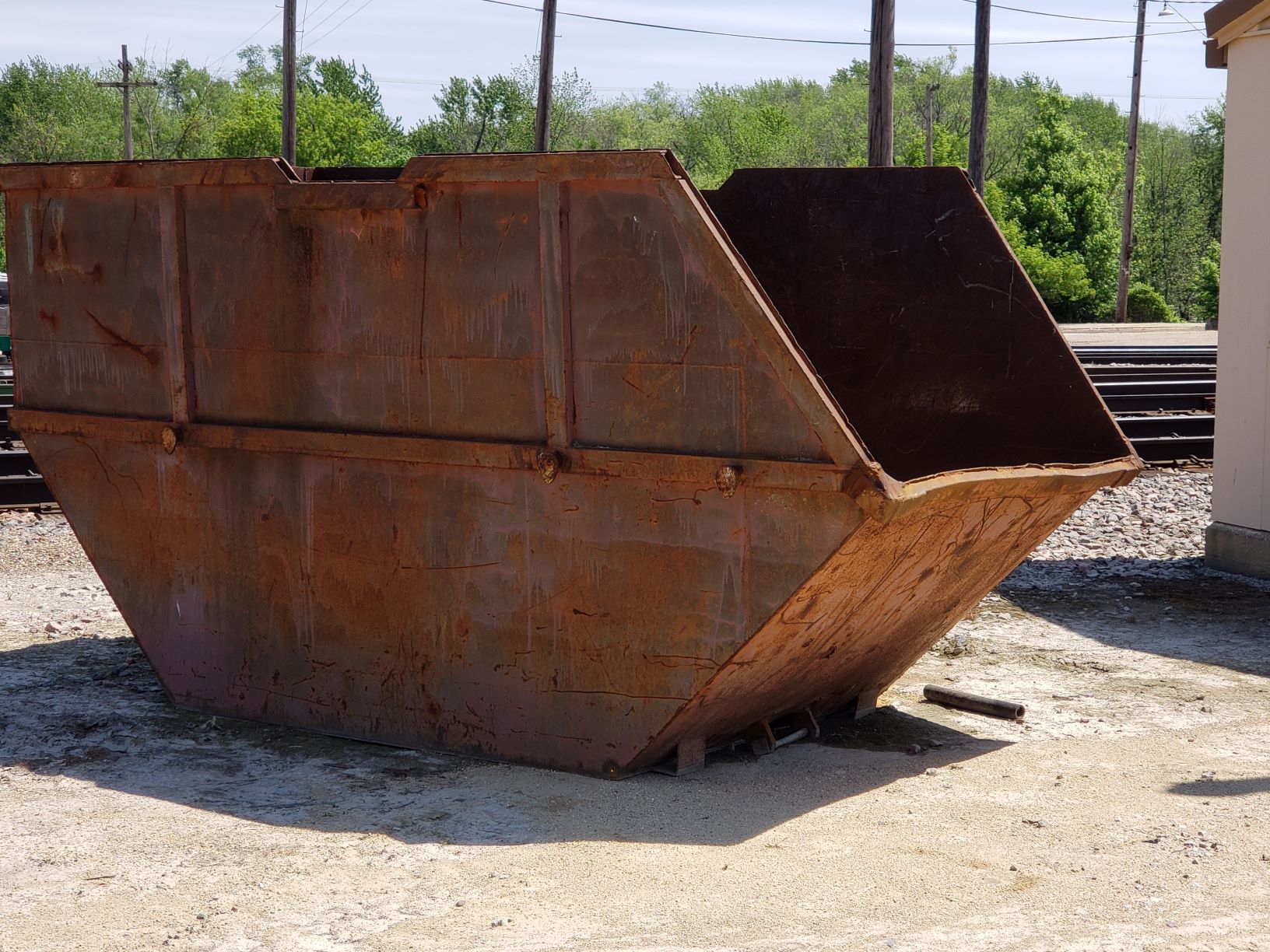
Just another skip bin in an industrial setting. Nothing to see here. But I always have to look inside.

At first look, nothing seems amiss: Mostly empty. Some rain water. A few pieces of what appears to be metal scrap.

Skip Bin Scrap Metal

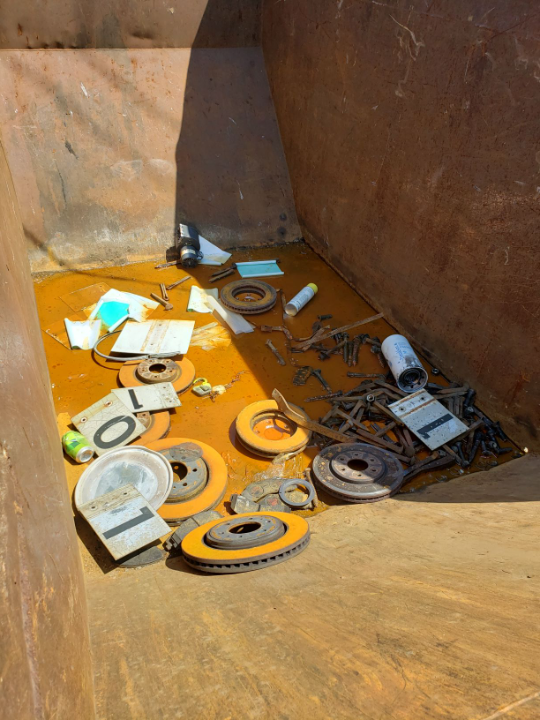
But look closer. In addition to some legitimate scrap metal I see the following:

  • Unpunctured aerosol can
  • Undrained used oil filter
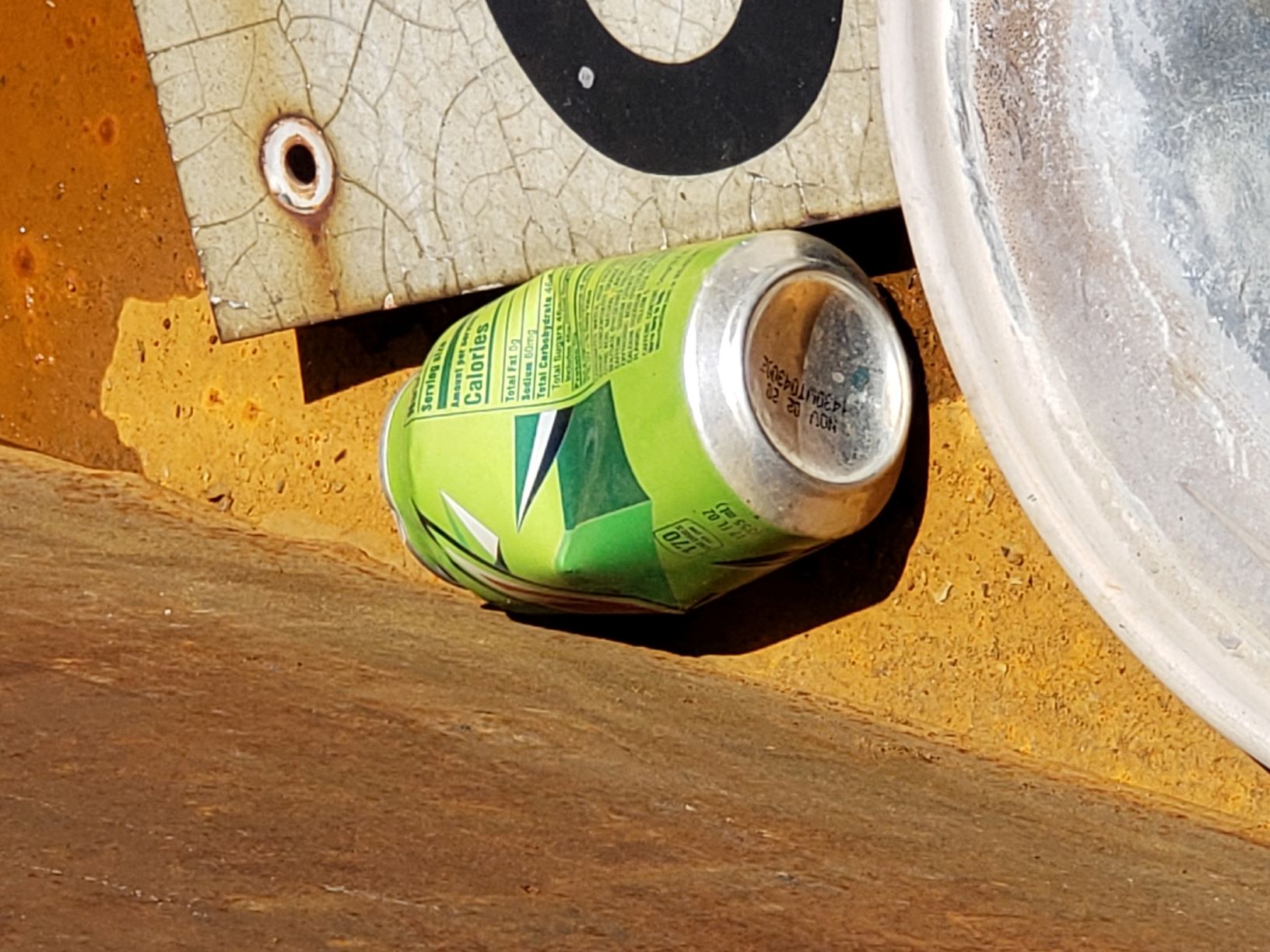
  • Aluminum can
  • And (not a subject for this article, but important nonetheless) accumulated storm water contaminated with rust.

The first two items represent a potential violation of the regulations of Resource Conservation and Recovery Act (RCRA) enforced by the U.S. Environmental Protection Agency (USEPA) and state environmental agencies if that state has an authorized hazardous waste program. The third item is just bad practice. The last is a potential violation of USEPA’s storm water pollution prevention regulations under the Clean Water Act (CWA). Let’s take a closer look.

Interested in a Webinar that covers this topic, and more!

My Webinar Training Schedule

What is scrap metal?

It is defined at 40 CFR 261.6(c)(6):

“Scrap metal” is bits and pieces of metal parts (e.g., bars, turnings, rods, sheets, wire) or metal pieces that may be combined together with bolts or soldering (e.g., radiators, scrap automobiles, railroad box cars), which when worn or superfluous can be recycled.

Also, scrap metal is intended to be recycled so it must have significant metal content, more than 50% per RO 13356.

Any of the items in the image could meet the above definition of scrap metal. And, it appears to me they are destined for recycling.

Per §261.1(c)(11-12) scrap metal may also be “Home scrap metal” or “Prompt scrap metal”:

“Home scrap metal” is scrap metal as generated by steel mills, foundries, and refineries such as turnings, cuttings, punchings, and borings.

“Prompt scrap metal” is scrap metal as generated by the metal working/fabrication industries and includes such scrap metal as turnings, cuttings, punchings, and borings. Prompt scrap is also known as industrial or new scrap metal.

Home_Prompt Scrap Metal
An example of Home or Prompt Scrap Metal

Nothing in the skip bin looks like home scrap metal or prompt scrap metal.

So, scrap metal for recycling. No problem right? Well…

Pursuant to §261.2 – Table 1, a scrap metal that is not excluded under 40 CFR 261.4(a)(13) is a solid waste (and then likely a hazardous waste) even when it is recycled by reclamation. Read this article: The Scrap Metal Exclusion From Solid Waste 40 CFR 261.4(a)(13) for more in-depth identification of scrap metal excluded under 40 CFR 261.4(a)(13), but for the purposes of this article it is:

  • Scrap metal that has been or is being processed for recycling at a scrap yard.
  • Home scrap metal and prompt scrap metal when not processed.

USEPA believes this excluded scrap metal has inherent value and will be managed without damage to the environment regardless of the exclusion. (62 FR 26011)

The scrap metal in the skip bin is not excluded at §261.4(a)(13) and is therefore a solid waste (and likely a hazardous waste).

That brings us to the scrap metal exemption!

§261.6(a)(3)(ii) exempts from all regulation scrap metal not excluded at §261.4(a)(13) as long as it is destined for legitimate recycling. So we’re back to the contents of the skip bin being exempt from all RCRA hazardous waste regulations, great! But, the exemption does not apply to all aerosol cans or all used oil filters.

Management of used Aerosol Cans:

USEPA has struggled with determining the hazardous characteristics of aerosol cans. For a while USEPA’s position was that even empty aerosol cans could be a hazardous waste due to the characteristic of reactivity (D003). (RO 11782)

Regardless of the characteristic of reactivity, a used aerosol can may be a hazardous waste for other reasons:

  • Characteristic of ignitability (D001). Either the propellant or the product to be expelled may be a flammable gas.
  • Characteristic of corrosivity (D002). Aerosol products such as oven cleaner may be corrosive.
  • Characteristic of toxicity (D004-D043). Several of the toxins identified at §261.24 may be contained in an aerosol can at concentrations above the regulatory threshold.
  • Commercial chemical product (P-codes or U-codes). If the aerosol is not empty as defined at §261.7 and it contains a commercial chemical product listed at §261.33.

It is the responsibility of the generator to determine if their aerosol cans – or any other waste generated – are a hazardous waste.

I suspect this aerosol can would be a hazardous waste at the point of disposal because either its propellant or its contents are a flammable compressed gas and therefore has the characteristic of ignitability (D001).

However:

However, a steel aerosol can that does not contain a significant amount of liquid would clearly meet the definition of scrap metal…and thus would be exempt from RCRA regulation…if it were to be recycled. (RO11782)

Clearly this determination is subjective. What is a ‘significant amount of liquid’ to you may differ from the opinion of a USEPA or state inspector. RO 11782 once again provides guidance:

Aerosol cans that have been punctured…and drained…would not contain significant liquids.

So. Punctured and drained means no significant liquids. No significant liquids means the aerosol – no matter its propellant or contents – meets the definition of scrap metal. Scrap metal is eligible for the scrap metal exemption and thus not subject to RCRA regulation.

Contact me with any questions you may have about the generation, identification, management, and disposal of hazardous waste

Daniels Training Services, Inc.

815.821.1550

Info@DanielsTraining.com

https://danielstraining.com/

Let’s take a closer look at that aerosol can.

aerosol can as scrap metal
It does not appear to me the aerosol can has been punctured and drained.

Distinct from all of the above, on 02.07.20 USEPA regulations went into affect allowing the management of aerosol cans – punctured and unpunctured – as a universal waste. Management of aerosol cans as a universal waste requires closed containers that are labeled and dated, limited on-site accumulation, employee awareness training, and more. This aerosol can does not appear to be managed according to the universal waste regulations either.

This image shows (to me) a hazardous waste or universal waste (aerosol can containing a significant amount of liquid) in an unlabeled, uncovered container (the skip bin), with no marked date of initial accumulation, no indication of the hazards… I doubt there are records of weekly inspections or trained personnel either. Trivial as it may seem, this one aerosol can may be a significant violation of Federal and state regulations.

Management of Used Oil Filters:

Depending on their material of construction and whether or not they have been drained, most used oil filters are excluded from the RCRA regulations. If not, they may be eligible for management as a used oil per 40 CFR part 279.

Non-terne-plated filters (terne is a tin/lead alloy) are excluded from regulation pursuant to §261.4(b)(13) if they are gravity hot-drained by a method that will remove the oil. Per USEPA, if oil drips or runs from the filter it is not considered to have been drained. (57 FR 21531) Used oil filters that qualify for the conditional exclusion at 261.4(b)(13) may be managed as non-hazardous waste. (RO 11754)

A used oil filter may also be eligible for the scrap metal exemption if it does not contain a significant amount of liquid. According to §279.10(c), a used oil filter does not contain a significant amount of liquid once the used oil has been drained or removed to the extent possible such that there are no visible signs of fee-flowing oil.

Let’s take a closer look at that used oil filter.


used oil filter
It’s difficult to tell if this filter has been drained so no free-flowing oil remains

A used oil filter that contains visible signs of free-flowing – and is destined for recycling as a used oil – may be managed as a used oil. However, the used oil regulations require a container labeled “Used Oil” and, of course, the used oil filter must be transported to a facility where it may be incinerated or the used oil recovered. I don’t think that is the case here.

A used oil filter may also be managed as a hazardous waste due to toxic levels of lead or some other hazardous waste characteristic in the oil. The determination may be made by the generator based on analysis or generator knowledge.

Contact me the next time hazardous waste generator USEPA training is due to expire.

It does not appear to me the undrained used oil filter is being managed properly under any of the above options. This could be a violation of Federal and state regulations.

Anything else?Aluminum Can_Scrap Metal

Not a regulatory issue, but a economic one. The aluminum can in with the scrap metal is not a violation as it would fall under the scrap metal exemption. However, aluminum cans may fetch anywhere from $.30 to $.40 per pound whereas shreddable steel may only bring $103/ton or $.05 per pound. It makes good economic sense to separate aluminum cans from less valuable scrap. Charities may accept the aluminum cans as well.

Conclusion:

Small things like an aerosol can or used oil filter may be subject to significant hazardous waste regulations of your state or the USEPA. Make certain your waste management procedures are sound to avoid non-compliance and fines.

Hazardous waste container

The Requirements of 40 CFR 262.255 Required Aisle Space for Preparedness, Prevention, and Emergency Procedures at Large Quantity Generator of Hazardous Waste

Federal regulations of the U.S. Environmental Protection Agency (USEPA) at 40 CFR 262.17(a)(6) require a large quantity generator of hazardous waste (LQG) to comply with the preparedness, prevention, and emergency procedure standards of 40 CFR 262, subpart M. This article is the sixth in a series that looks closely at each of the sections in subpart M to clearly describe the responsibilities of a LQG.

The purpose of this article is to address the requirements of 40 CFR 262.255 Required aisle space.

(more…)

The Requirements of 40 CFR 262.254 Access to Communications or Alarm Systems for Preparedness, Prevention, and Emergency Procedures at Large Quantity Generator of Hazardous Waste

Federal regulations of the U.S. Environmental Protection Agency (USEPA) at 40 CFR 262.17(a)(6) require a large quantity generator of hazardous waste (LQG) to comply with the preparedness, prevention, and emergency procedure standards of 40 CFR 262, subpart M. This article is the fifth in a series that looks closely at each of the sections in subpart M to clearly describe the responsibilities of a LQG.

The purpose of this article is to address the requirements of 40 CFR 262.254 Access to communications or alarm system.

(more…)

Hazardous waste container

The Requirements of 40 CFR 262.253 Testing and Maintenance of Equipment for Preparedness, Prevention, and Emergency Procedures at Large Quantity Generator of Hazardous Waste

Federal regulations of the U.S. Environmental Protection Agency (USEPA) at 40 CFR 262.17(a)(6) require a large quantity generator of hazardous waste (LQG) to comply with the preparedness, prevention, and emergency procedure standards of 40 CFR 262, subpart M. This article is the fourth in a series that looks closely at each of the sections in subpart M to clearly describe the responsibilities of a LQG.

The purpose of this article is to address the requirements of 40 CFR 262.253 Testing and maintenance of equipment. (more…)
Hazardous waste container

The Requirements of 40 CFR 262.252 Required Equipment for Preparedness, Prevention, and Emergency Procedures at Large Quantity Generator of Hazardous Waste

Federal regulations of the U.S. Environmental Protection Agency (USEPA) at 40 CFR 262.17(a)(6) require a large quantity generator of hazardous waste (LQG) to comply with the preparedness, prevention, and emergency procedure standards of 40 CFR 262, subpart M. This article is the third in a series that looks closely at each of the sections in subpart M to clearly describe the responsibilities of a LQG.

The purpose of this article is to address the requirements of 40 CFR 262.252 Required equipment. (more…)

The Requirements of 40 CFR 262.251 Maintenance and Operation of Facility for Preparedness, Prevention, and Emergency Procedures at Large Quantity Generator of Hazardous Waste

Federal regulations of the U.S. Environmental Protection Agency (USEPA) at 40 CFR 262.17(a)(6) require a large quantity generator of hazardous waste (LQG) to comply with the preparedness, prevention, and emergency procedure standards of 40 CFR 262, subpart M. This article is the second in a series that looks closely at each of the sections in subpart M to clearly describe the responsibilities of a LQG.

The purpose of this article is to address the requirements of 40 CFR 262.251 Maintenance and operation of facility. (more…)

The Requirements of 40 CFR 262.250 Applicability of Preparedness, Prevention, and Emergency Procedures for Large Quantity Generator of Hazardous Waste

Federal regulations of the U.S. Environmental Protection Agency (USEPA) at 40 CFR 262.17(a)(6) require a large quantity generator of hazardous waste (LQG) to comply with the preparedness, prevention, and emergency procedure standards of 40 CFR 262, subpart M. This article is the first in a series that looks closely at each of the sections in subpart M to clearly describe the responsibilities of a LQG.

The purpose of this article is to address the requirements of 40 CFR 262.250 Applicability (of the preparedness, prevention, and emergency procedures for large quantity generators). (more…)
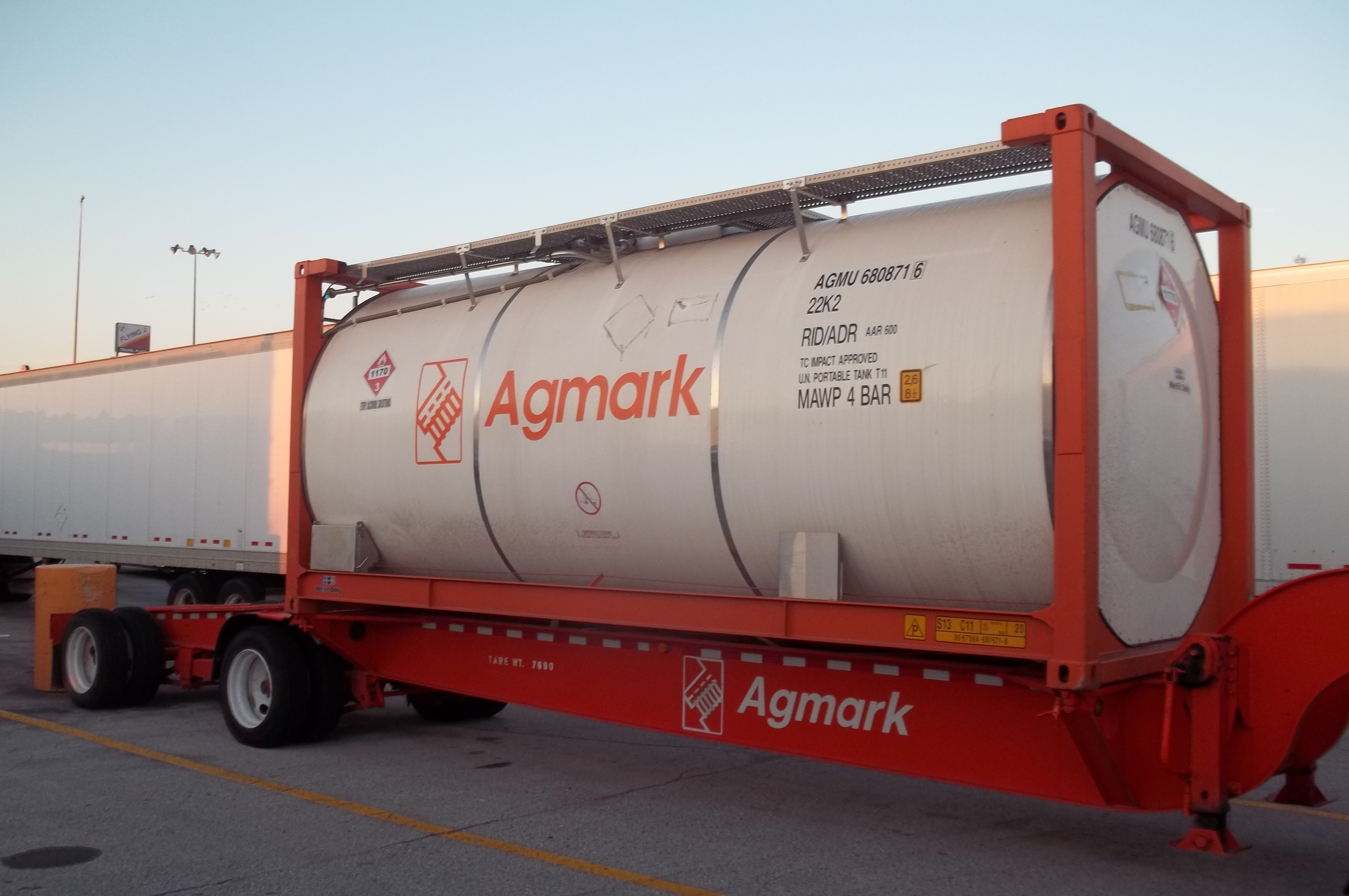
Portable tank used to transport HazMat by highway

FAQ: What is a portable tank?

The Definition:

The Hazardous Materials Regulations (HMR) of the Pipeline and Hazardous Materials Safety Administration within the U.S. Department of Transportation (USDOT/PHMSA) define a portable tank at 49 CFR 171.8.

Portable tank means a bulk packaging (except a cylinder having a water capacity of 1000 pounds or less) designed primarily to be loaded onto, or on, or temporarily attached to a transport vehicle or ship and equipped with skids, mountings, or accessories to facilitate handling of the tank by mechanical means. It does not include a cargo tank, tank car, multi-unit tank car tank, or trailer carrying 3AX, 3AAX, or 3T cylinders.

Contact me the next time your USDOT, IATA (air), or IMO (vessel) training is due to expire.

So lets break it down…
  • A portable tank is a bulk packaging. A bulk packaging is also defined at §171.8 and explained in this article: Bulk Packaging for HazMat Explained! But for the purposes of this article a bulk packaging has a maximum capacity of more than any of the following:
    • 450 L (119 gallons) as a receptacle for a liquid.
    • 400 kg (882 pounds) and 450 L (119 gallons) as a receptacle for a solid.
    • Water capacity of 454 kg (1,000 pounds) as a receptacle for a gas. Note: a water capacity of 454 kg (1,000 pounds) calculates out to a volume of 450 L (119 gallons).
  • However, a portable tank may be a non-bulk packaging if it is a cylinder (defined at §171.8) with a water capacity of 1,000 pounds or less.
  • A portable tank is not designed to be permanently attached to a transport vehicle or ship. This differentiates it from the cargo tank which is permanently attached to or forms part of a vehicle.
  • A portable tank is equipped with the following:
    • Skids
    • Mountings
    • Accessories to facilitate handling of the tank by mechanical means.

And finally…

  • A portable tank is not any of the following:
    • Cargo tank
    • Tank car (rail)
    • Multi-unit tank car tank (rail)
    • A trailer carrying 3AX, 3AAX, or 3T cylinders

Q: Could a cylinder be a portable tank?

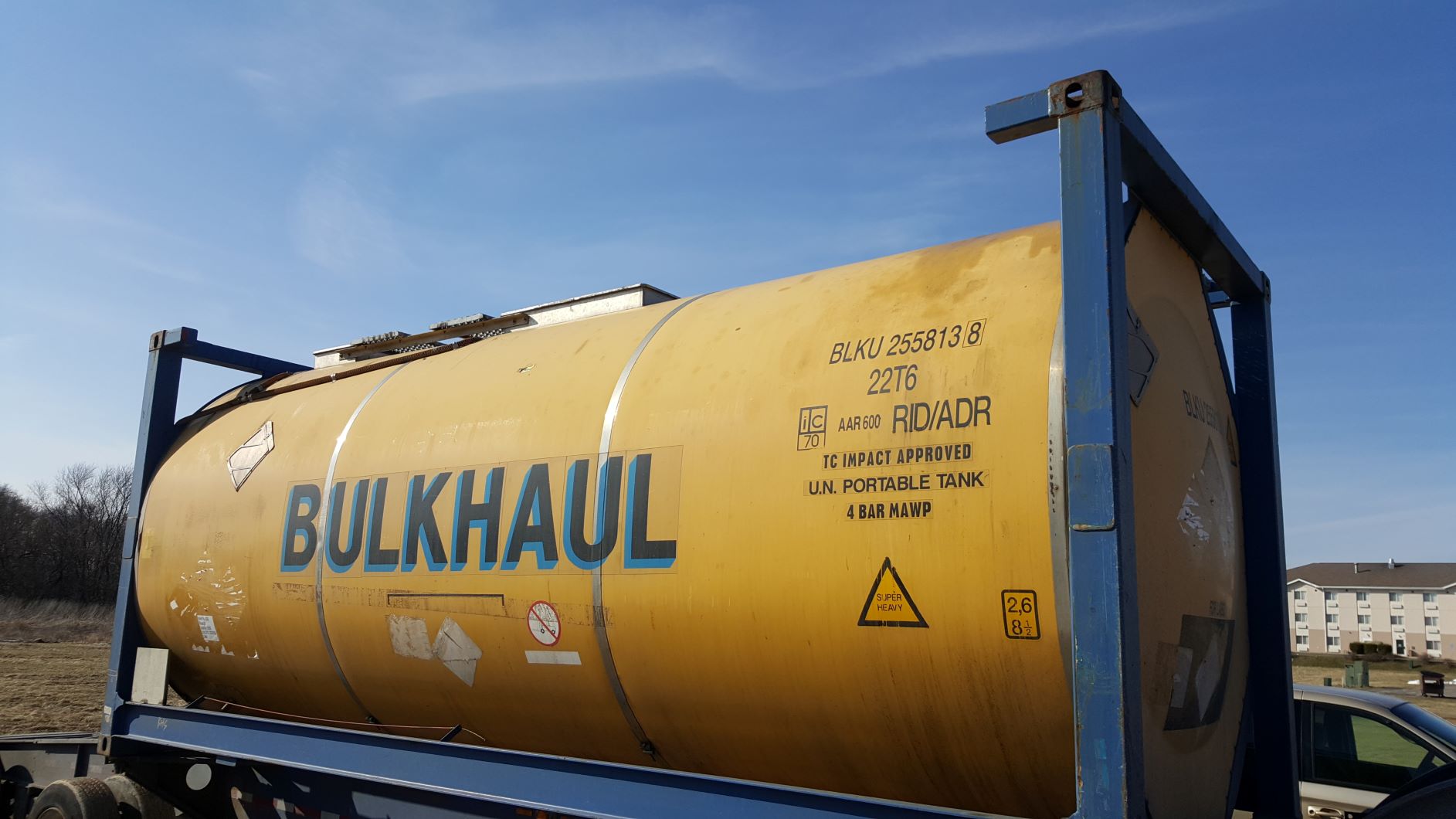
UN Portable Tank

A: No. The definition (as of 06.06.20) is unclear as to whether a cylinder could ever be a portable tank. The opening sentence refers to a cylinder having a water capacity of 1000 pounds or less, which is a non-bulk packaging. It seems to be saying that a portable tank is a bulk packaging but it could also be a cylinder if it is a non-bulk packaging. Also, the last sentence specifically excludes the packaging types a portable tank is not. Included here is a trailer carrying 3AX, 3AAX, or 3T cylinders, but not all cylinders. It seems to leave open the possibility that some non-bulk cylinders could meet the definition of a portable tank. Conversation with USDOT/PHMSA HazMat Info Line revealed the following time-line to the progression of the definition of portable tank:

  • The original definition published in 1976 did not include the reference to bulk packaging since that term did not yet exist. The reference to cylinders was present then.
  • In 1987 the definition of portable tank was modified to include the reference to bulk packaging but the misleading references to cylinders remained.

In conclusion: disregard the reference to cylinders in the definition of a portable tank. A portable tank can’t be a cylinder. USDOT/PHMSA will correct this error in a later rule change. 

Like this article?

Subscribe to my Monthly Newsletter

No marketing emails!

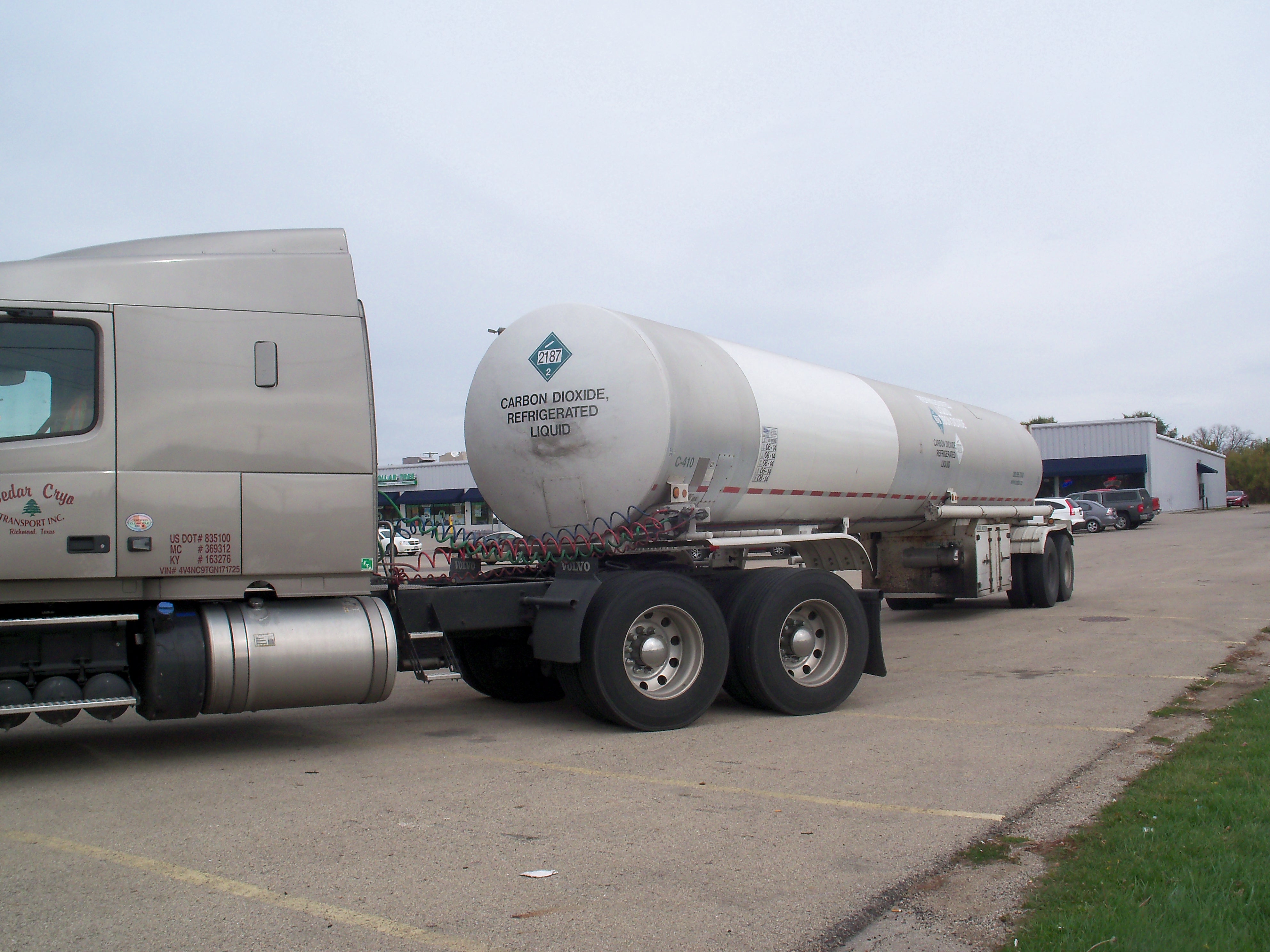
Display of Class 2 placard on cargo tank

FAQ: What is a cargo tank and/or cargo tank motor vehicle (CTMV)?

The Definitions:

The Hazardous Materials Regulations (HMR) of the Pipeline and Hazardous Materials Safety Administration within the U.S. Department of Transportation (USDOT/PHMSA) define both a cargo tank and a cargo tank motor vehicle at 49 CFR 171.8.

Cargo tank means a bulk packaging that:

(1) Is a tank intended primarily for the carriage of liquids or gases and includes appurtenances, reinforcements, fittings, and closures (for the definition of a tank, see 49 CFR 178.320, 178.337-1, or 178.338-1, as applicable);

(2) Is permanently attached to or forms a part of a motor vehicle, or is not permanently attached to a motor vehicle but which, by reason of its size, construction or attachment to a motor vehicle is loaded or unloaded without being removed from the motor vehicle; and

(3) Is not fabricated under a specification for cylinders, intermediate bulk containers, multi-unit tank car tanks, portable tanks, or tank cars.

And…

Cargo tank motor vehicle means a motor vehicle with one or more cargo tanks permanently attached to or forming an integral part of the motor vehicle.

So lets break it down…
  • A cargo tank is a bulk packaging. A bulk packaging is also defined at §171.8 and explained in this article: Bulk Packaging for HazMat Explained! But for the purposes of this article a bulk packaging has a maximum capacity of more than any of the following:
    • 450 L (119 gallons) as a receptacle for a liquid.
    • 400 kg (882 pounds) and 450 L (119 gallons) as a receptacle for a solid.
    • Water capacity of 454 kg (1,000 pounds) as a receptacle for a gas. Note: a water capacity of 454 kg (1,000 pounds) calculates out to a volume of 450 L (119 gallons).
  • A cargo tank is intended primarily for carriage of liquids or gases but is not limited solely to those two phases of matter and may be used for a solid.
  • It is a tank and includes the appurtenances, reinforcements, fittings, and closures associated with a tank. Applicable definitions are found as follows:
    • §178.320 for the general requirements applicable to all DOT specification CTMVs.
    • §178.337-1 for the general requirements for a CTMV primarily for transportation of compressed gas (specification MC-331).
    • §178.338-1 for the general requirements for an insulated CTMV (specification MC-338).
  • It is permanently attached to or forms a part of a motor vehicle.

Or…

  • Is not permanently attached to a motor vehicle but must be loaded or unloaded without being removed from the motor vehicle.

And finally…

  • It is not manufactured to the specifications of any of the following (i.e., it isn’t any of the following):
    • Cylinder
    • Intermediate bulk container (IBC)
    • Multi-unit tank car tank (rail)
    • Portable tank
    • Tank car (rail)

Contact me with any questions you may have about the transportation of hazardous materials by air, highway, vessel, or rail

International and Domestic

Daniels Training Services, Inc.

815.821.1550

Info@DanielsTraining.com

https://danielstraining.com/

So what then is a cargo tank motor vehicle (CTMV)?

I think the definition of §171.8 answers that question without an explanation from me.

Search Website