PO Box 1232 Freeport, IL 61032

Daniels Training Services Blog

You can keep updated on blog posts and other news that may be of use by subscribing to my newsletter, following me on Twitter or on LinkedIn. Whichever medium you choose, feel free to share or comment on my efforts. I am always willing to learn more, and to take your questions. Who knows? I might turn it into a blog entry.
How to Determine the Toxicity Hazardous Waste Characteristic Without TCLP

All too often the costly and time-consuming TCLP test method (Toxicity Characteristic Leachate Procedure) is used to determine the applicability of a characteristic waste code for Toxicity (D004 to D043) when other less expensive options which are accepted by the

Exemptions From the Requirement to use a Shipping Paper When Transporting a Hazardous Material

Believe it or not, there are times when a shipping paper is not required for the transportation of a hazardous material in commerce.  Since it is the responsibility of the Shipper to describe the hazardous material on the shipping paper,

How to Distinguish a Hazardous Material From non-Hazardous Material on a Shipping Paper

When preparing a shipping paper you are required to distinguish the hazardous materials (such as solvent-based paints, resins, adhesives, acids, etc.) from any materials that are not hazardous (hydraulic oils, water-based paints, pallets, widgets, etc.).  49 CFR 172.201(a)(1) specifies your

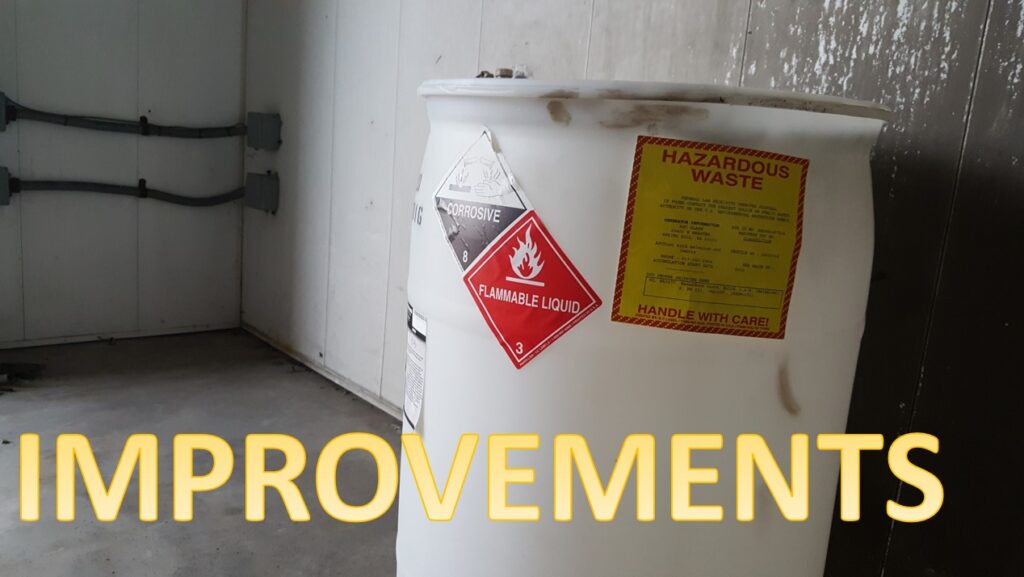
FAQ: How does the Generator Improvements Rule define an acute hazardous waste?

Hazardous waste container

Prior to May 30, 2017 the Federal regulations of the USEPA lacked a clear definition of the term "acute hazardous waste".  That changed with the implementation of the Generator Improvements Rule....

When not to use the Dangerous Placard for Shipments of HazMat

Unless an exception exists, each bulk packaging, freight container, unit load device, transport vehicle or rail car (see 49 CFR 171.8 - Definitions for a better understanding of these terms) containing any quantity of a hazardous material must be placarded on each side

You may Display Placards When not Required by the Hazardous Material Regulations

The determination of the placarding requirements for a shipment of hazardous materials (found at 49 CFR 172, Subpart F) are, initially, straightforward.  Placarding of a transport vehicle or freight container to be transported by highway or rail is required for... Any

Who are the “Facility Personnel” of a Hazardous Waste Generator who Must Receive Annual Training?

If you are a Large Quantity Generator (LQG) of hazardous waste you may be aware of the requirement to train your Facility Personnel annually.  "But", you may ask, " just who are my Facility Personnel?"...

Precious Metal Recovery from Hazardous Waste

If you generate a hazardous waste that contains economically significant amounts of gold, silver, platinum, palladium, iridium, osmium, rhodium, ruthenium, or any combination of these, you may be able to take advantage of the exemption from regulation found in 40

Management Options for Generators of Spent Lead Acid Batteries

Spent Lead Acid Battery

If you generate spent lead acid batteries (SLABs) you have three options for on-site handling and disposal under the regulations of the Resource Conservation and Recovery Act (RCRA) regulations enforced by the US EPA.  In decreasing order of regulatory burden... Manage

The Symbols of Column 1 of the Hazardous Materials Table

If you are a carrier or shipper of hazardous materials, you should already be familiar with the Hazardous Materials Table.  Found at 49 CFR 172.101, it contains the necessary information to complete the shipping paper and comply with other aspects

Search Website