PO Box 1232 Freeport, IL 61032

A Different Kind Of Training

A Different Kind Of Training

A Different Kind Of Training

FAQ: What is a motor vehicle? (USDOT/PHMSA definition)

The Hazardous Materials Regulations (HMR) of the Pipeline and Hazardous Materials Safety Administration within the U.S. Department of Transportation (USDOT/PHMSA) regulate the transportation of hazardous materials (HazMat) to, from, or through the U.S. by any mode. The four modes of transport identified and regulated by USDOT/PHMSA are:

  • Rail
  • Highway
  • Air
  • Water

For transportation by highway there is only one type of vehicle: the motor vehicle. Motor vehicle is defined at 49 CFR 171.8:

Motor vehicle includes a vehicle, machine, tractor, trailer, or semitrailer, or any combination thereof, propelled or drawn by mechanical power and used upon the highways in the transportation of passengers or property. It does not include a vehicle, locomotive, or car operated exclusively on a rail or rails, or a trolley bus operated by electric power derived from a fixed overhead wire, furnishing local passenger transportation similar to street-railway service.

Interested in a Webinar that covers this topic, and more!

My Webinar Training Schedule

Let’s take a closer look.

A motor vehicle includes – but is not limited to – any of the following:

  • Vehicle
  • Machine
  • Tractor
  • Trailer
  • Semitrailer
  • Or any combination of any of the above.

A motor vehicle must be propelled or drawn by mechanical power.

And…

Used upon the highways. Don’t be misled by the term “highway” to think a motor vehicle are only those traveling on I80 or some other interstate. Unfortunately, the HMR does not define a highway and I can find no letter of interpretation for it. Since USDOT/PHMSA’s regulatory scope includes all transportation to, from, or through the U.S., when the HMR reads “highway” it means the broad definition I found in Wikipedia:

A highway is any public or private road or other public way on land. It is used for major roads, but also includes other public roads and public tracks…

Or, consider the functions identified as not subject to the HMR at §171.1(d); it includes motor vehicle movements exclusively within a contiguous facility boundary where public assess is restricted. Unless the movement is on or crosses a public road. Here the term “public road” is used instead of “highway” but is meant in the same way.

A motor vehicle is not any of the following:

  • Vehicle, locomotive, or car operated exclusively on rail or rails.
  • A trolley bus operated by electric power derived from an overhead wire when providing local passenger transportation similar to street-railway service.

You may be confused – as I was – by the use of the term transport vehicle in the HMR (also defined at §171.8) and how it relates to the motor vehicle. Put simply, the transport vehicle is the cargo-carrying body of the motor vehicle. In some instances the transport vehicle may be the motor vehicle, e.g., a truck with an attached bed that can carry cargo. In others, the transport vehicle will be one part of the motor vehicle, e.g., a tractor-trailer combination or semitrailer where the trailer(s) is the transport vehicle and the tractor and trailer together are the motor vehicle.
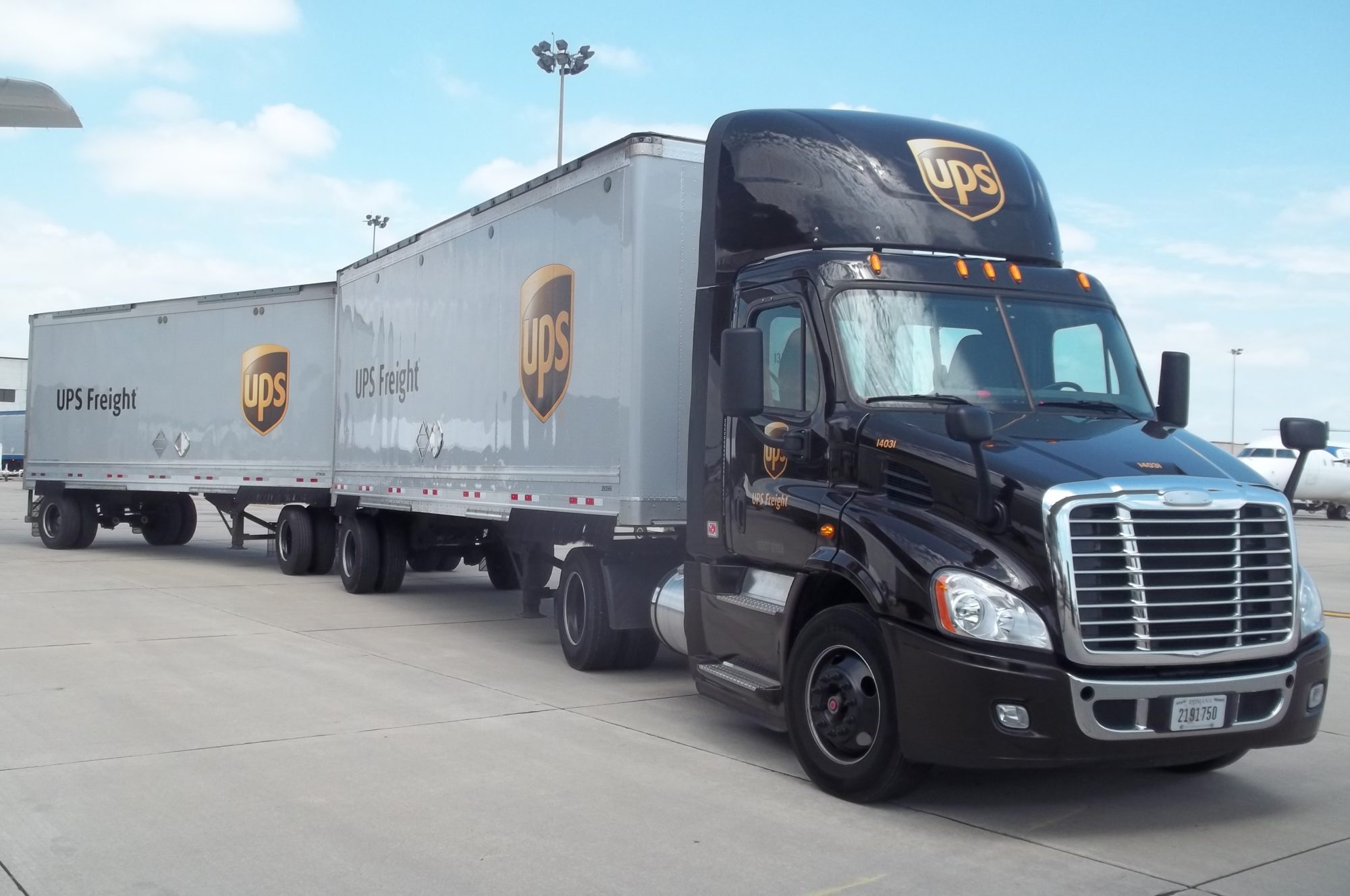
UPS tandem trailer
Each trailer is a separate transport vehicle. All together it is a motor vehicle.

FAQ: What is a transport vehicle?

Contact me with any questions you may have about the transportation of lithium batteries by air, highway, vessel, or rail

International and Domestic

Daniels Training Services, Inc.

815.821.1550

Info@DanielsTraining.com

https://danielstraining.com/

Q&A: Can I self-transport lithium batteries for disposal?

A phone call and email on May 11, 2020:

Hi Daniel,

We talked for a few minutes today about the regulations for transporting lithium batteries for disposal. Just as a reminder, I asked if our company would be required to follow the DOT packaging and labeling requirements if we are picking up batteries at various facilities within our company and then transporting them to a recycling/disposal site ourselves.

Thanks for your time and your help!

My reply that same day:

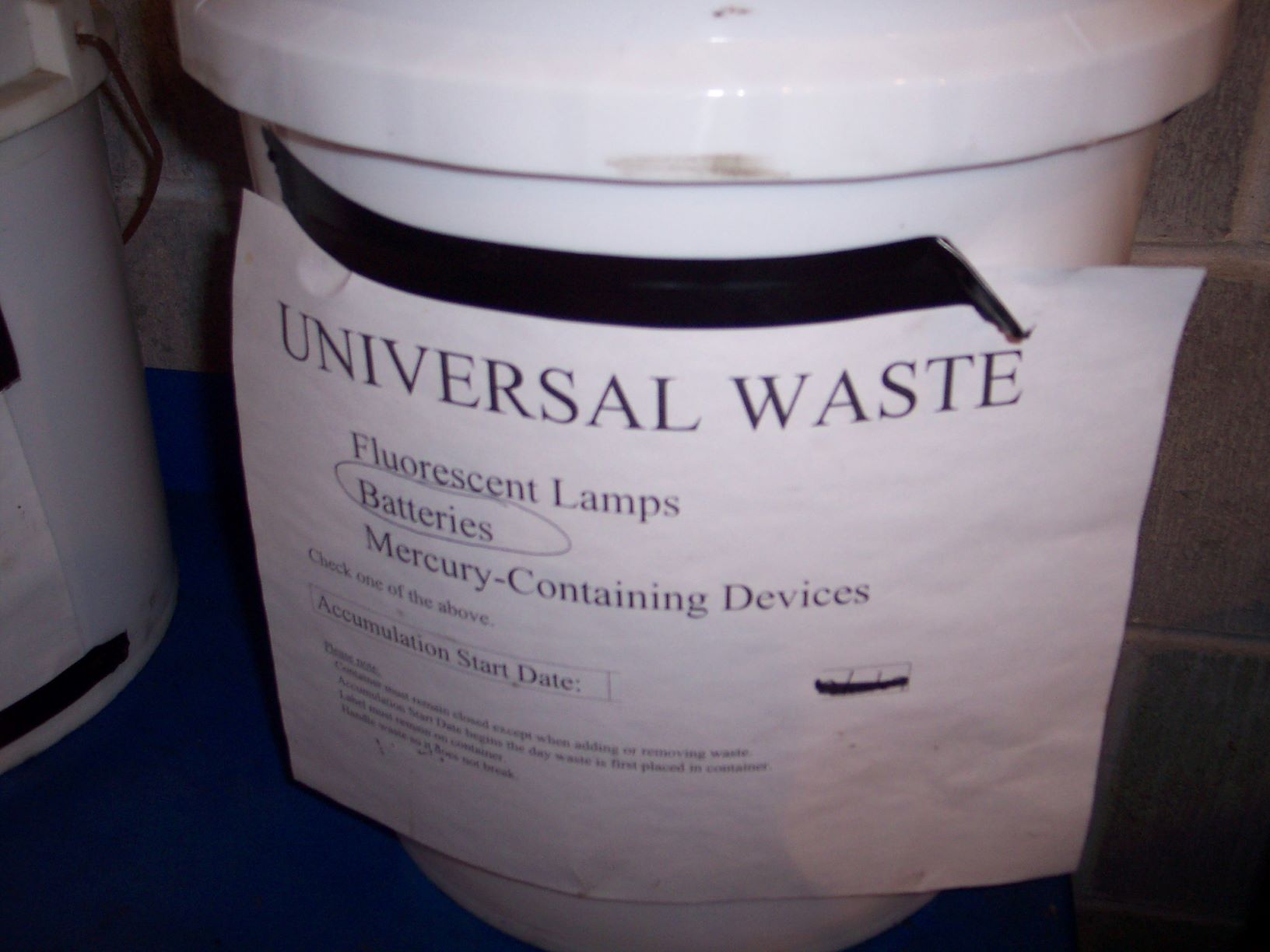
Please see below.Container of universal waste batteries

  • I presume the operations you refer to are subject to the regulations of USEPA, USDOT, & your state. They may not be.
    • There is an exclusion from regulation from USEPA regulations for Household Waste. Your state will likely have a similar exclusion.
    • USDOT/PHMSA regulations only apply to the transportation “in commerce” of a hazardous material. “In commerce” means the transport is by or for a business.
    • USDOT/PHMSA regulations also apply when the transportation is on a public road. The regulations are not applicable if transportation is solely within your facility, e.g., a wide-spread campus with its own road system (not public roads).
  • USEPA and likely your state regulate spent lithium batteries as a universal waste.
  • USDOT allows a private shipper to transport its own HazMat (including lithium batteries as a universal waste) with minimal regulations under the Materials of Trade exception.

Contact me with any questions you may have about the transportation of lithium batteries by air, highway, vessel, or rail

International and Domestic

Daniels Training Services, Inc.

815.821.1550

Info@DanielsTraining.com

https://danielstraining.com/

By complying with the minimal regulations of USEPA, your state, and USDOT, you can easily self-transport lithium batteries – and other HazMat – for consolidation and disposal.

I hope this helps. Please don’t hesitate to contact me with any other questions.

Q&A: Can my customer return empty HazMat packagings to me for reuse?

eMail of May 13, 2020:

As discussed on the phone this afternoon, <<Company>> is a specialty chemical company supplying a wide range of Industrial Chemicals, some of which are considered hazardous (most because they contain either caustic or acidic components for cleaning or pretreatment). We have a customer that wants to return the empty drums so we can refill them with the same product as a cost savings for both our customer and us. My question is what does the customer need to do prior to shipping them back to us via common carrier. In our phone conversation you mentioned that the drums needed to be “RICRA Empty” less than an inch remaining in the drum and they did not need to be triple rinsed and they could leave the original labels on the drum. Let me know what else needs to be done in order for the customer to return these drums and what paper work is needed in order to return the drums.

Daniels Training Services, Inc.

815.821.1550

Info@DanielsTraining.com

https://danielstraining.com/

My reply May 14, 2020:

Thank you for contacting me. I apologize for not getting this to you last night. Please see below for answers to your questions.

USEPA Regulations:

  • The first responsibility of your customer(s) is to ensure the drums are RCRA Empty as that term is regulated by USEPA. This ensures the drums and any remaining residue are not subject to USEPA regulations (and most states) as a hazardous waste. In brief, RCRA Empty requires both of the following:
    • Get all HazMat out that can be gotten out using common practices (e.g., gravity flow when tipped, pump, etc.).
    • No more than 2.5 cm (1″) of residue remains on the bottom of the packaging. (Customer should get more out if they can).
  • This is important to you. If you receive and process drums that are not RCRA Empty you could be fined for unpermitted processing of a hazardous waste.
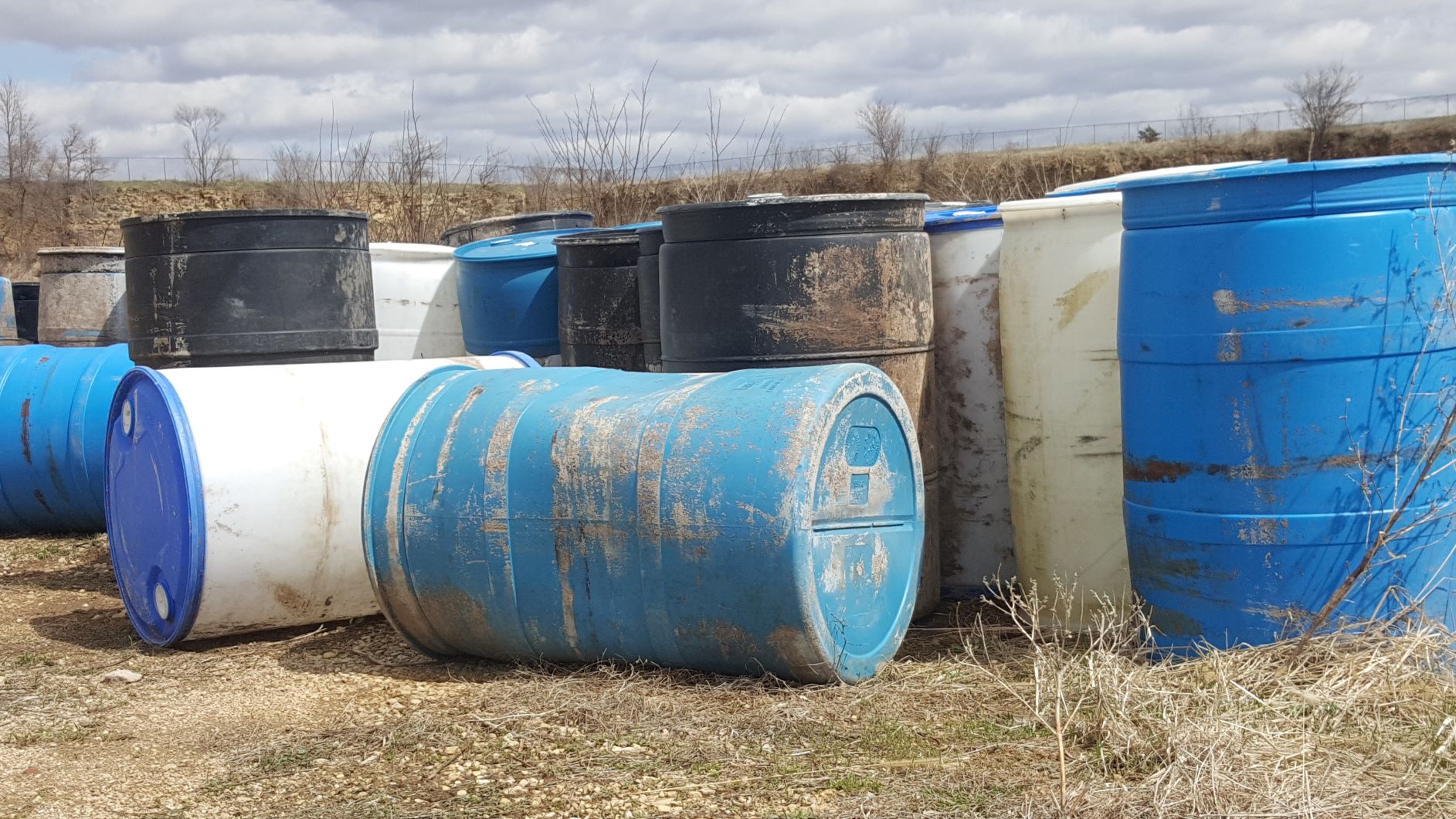
  • Triple rinse is not required to get a drum RCRA empty.Empty drums stored outdoors
  • Some states (California) have a more strict requirement for a drum to be considered empty.
  • Once RCRA Empty the drums should be closed tightly and stored in an area where they will not contribute to storm water pollution. (Try to keep them indoors if possible, no residue on outside).

Contact me with any questions you may have about the generation, identification, management, and disposal of hazardous waste

Daniels Training Services, Inc.

815.821.1550

Info@DanielsTraining.com

https://danielstraining.com/

USDOT/PHMSA Regulations:

  • When offered for transportation, your customer will be subject to USDOT/PHMSA regulation as a shipper of a hazardous material. You will be subject to regulation as the carrier.
  • If customer is able to remove all hazards (triple rinsing is not specified, a single rinse may suffice), then drum is not subject to USDOT/PHMSA Hazardous Materials Regulations (HMR). It is up to the shipper of the HazMat to determine if all hazards have been removed. The carrier should confirm this before accepting the consignment.
  • If any residue of the HazMat remains, customer must comply with USDOT regulations of 49 CFR 173.29. This is summarized below:
    • All USDOT  labels and marks must remain on drums. Customer may need to replace missing or damaged USDOT labels/marks.
    • Labels and marks not required by USDOT regulations (e.g., OSHA pictograms, product name) may be removed or may remain.
    • If all of the following are true, consignment of RCRA Empty drums does not require placards to be displayed on the truck (however, all other requirements of the HMR remain):
      • Non-bulk packaging (e.g., a drum).
      • A HazMat found in Table 2 at 49 CFR 172.504 (e.g., Class 8 Corrosive).
    • If the consignment is also transported by a contract or private carrier, then a shipping paper is not required either.
      • Contract carrier performs transport under terms of contract.
      • Private carrier is owner of HazMat in transportation, is not a third person transporter, and does not transport for hire.
    • If consignment is transported by common carrier, then shipping paper is required. (In your phone call you mentioned a common carrier).
      • Common carrier is JB Hunt, Schneider, Conway, &etc.
      • Shipping paper may include: “Residue last contained…” with proper shipping name.
    • Regardless of above, all other requirements of USDOT/PHMSA Hazardous Materials Regulations remain including HazMat Employee training for all involved in transport.
  • Once you receive the drums you may prepare them for reuse according to the HMR of USDOT/PHMSA.
In sum: if your customer can get the drums RCRA Empty, the drums can be transported back to you (USDOT regulations vary) for reuse and return to customer.

Contact me with any questions you may have about the transportation of hazardous materials by air, highway, vessel, or rail

International and Domestic

Daniels Training Services, Inc.

815.821.1550

Info@DanielsTraining.com

https://danielstraining.com/

I hope this helps. I am in the office today. Please contact me with any questions.

Q&A: Are my 100 lb fiber drums a bulk packaging?

A question received February 01, 2018:

Hello Daniel,

I am contacting you with a question on the bulk/non-bulk classification. I work for a company that ships explosives in fiberboard drums. These drums hold no more then 100lbs but they are shipped in a tractor trailer unit that can hold up to 42,000 lbs. I am not sure if this is a bulk packaging with the fiberboard drums being an intermediate container or if it is considered non-bulk packaging because the only amount that is considered is the amount put in one fiberboard drum.

Any help on this matter would be great!

Best Regards,

Like this article?

Subscribe to my Monthly Newsletter

No marketing emails!

My reply February 12, 2018:

Thank you for contacting me. Please see below.

  • The packaging you describe (fiberboard drums of no more than 100 lbs) are a non-bulk packaging. They do not meet the definition of a bulk packaging. Read: Bulk Packaging for HazMat Explained!
  • The tractor trailer unit is the transport vehicle – more specifically: the motor vehicle since it is used for transportation by highway – for the HazMat packagings. It is not a bulk packaging.
  • The only type of bulk packaging that contains an intermediate form of packaging is the large packaging which is not what you describe.

I hope this helps. Please don’t hesitate to contact me with any questions. I have provided training and consulting services for others in the ordnance/explosives industry in the past.

Daniels Training Services, Inc.

815.821.1550

Info@DanielsTraining.com

https://danielstraining.com/

FAQ: What is a Category A Infectious Substance?

The Hazardous Materials Regulations (HMR) of the Pipeline and Hazardous Materials Safety Administration within the U.S. Department of Transportation (USDOT/PHMSA) classify and regulate the transportation of hazardous materials. Included in the twenty hazard classes and divisions identified in the HMR at 49 CFR 173.134 is Division 6.2 Infections Substance; Divisions 6.2 is further broken down into Category A and Category B.

The purpose of this article is to identify and explain (and provide examples of) a Category A Division 6.2 Infectious Substance.

(more…)

Q&A: Is my WWT sludge (human waste) a hazardous waste? A hazardous material?

A question (01.03.18):

Daniel;

I was searching Google when a link to your site came up. We are having to transport sludge and scum from an old wastewater plant across town to a newer plant. We are doing this in a tank truck. What placards do we need to put on the truck?

My answer that same day:

I will do my best to answer your question below.

  • If the waste is from a domestic sewage wastewater treatment plant it likely will not be a RCRA hazardous waste per USEPA regulations. However, the generator of the waste must complete a hazardous waste determination.
  • It may be a non-RCRA hazardous waste in California. i.e., an appendix X listed non-RCRA Haz Waste.
  • It may be regulated as a Division 6.2 Infectious Substance according to USDOT/PHMSA Hazardous Materials Regulations if it is known or reasonably expected to contain a pathogen (49 CFR 173.134). However, pursuant to 49 CFR 173.134(b)(13)(ii), sanitary sewage or sludge is excepted from regulation as a Division 6.2 Infectious Substance (LOI 16-0019).
  • As a government entity you are subject to the Government Employee Exemption from USDOT regulations.
  • The transport in a tank truck will likely be subject to California regulations as a commercial vehicle. I am not sure if California has a government employee exemption.
  • It’s handling may be subject to Health Department regulations.

Daniels Training Services, Inc.

815.821.1550

Info@DanielsTraining.com

https://danielstraining.com/

In sum:

  • Human waste is not a USEPA hazardous waste though it may be subject to California’s more strict regulations as a non-RCRA hazardous waste.
  • Its transportation is not subject to the USDOT/PHMSA HMR when transported, and therefore no placards are required.
  • Due to the size and type of the vehicle it may be regulated in California as a commercial vehicle. This may require fees, registration, driver licensing, &etc.

I hope this helps.

Please contact me with any other questions.

Conclusion:

That did it! The regulations for the cradle-to-grave management of hazardous waste are more stringent in their application and more broad in their scope than are the regulations of USEPA or any other state. If you generate, transport, or manage hazardous waste in California – this includes both RCRA hazardous waste and non-RCRA hazardous waste – you must comply with the regulations of the Department of Toxic Substances Control (DTSC) and your Certified Unified Program Agency (CUPA).

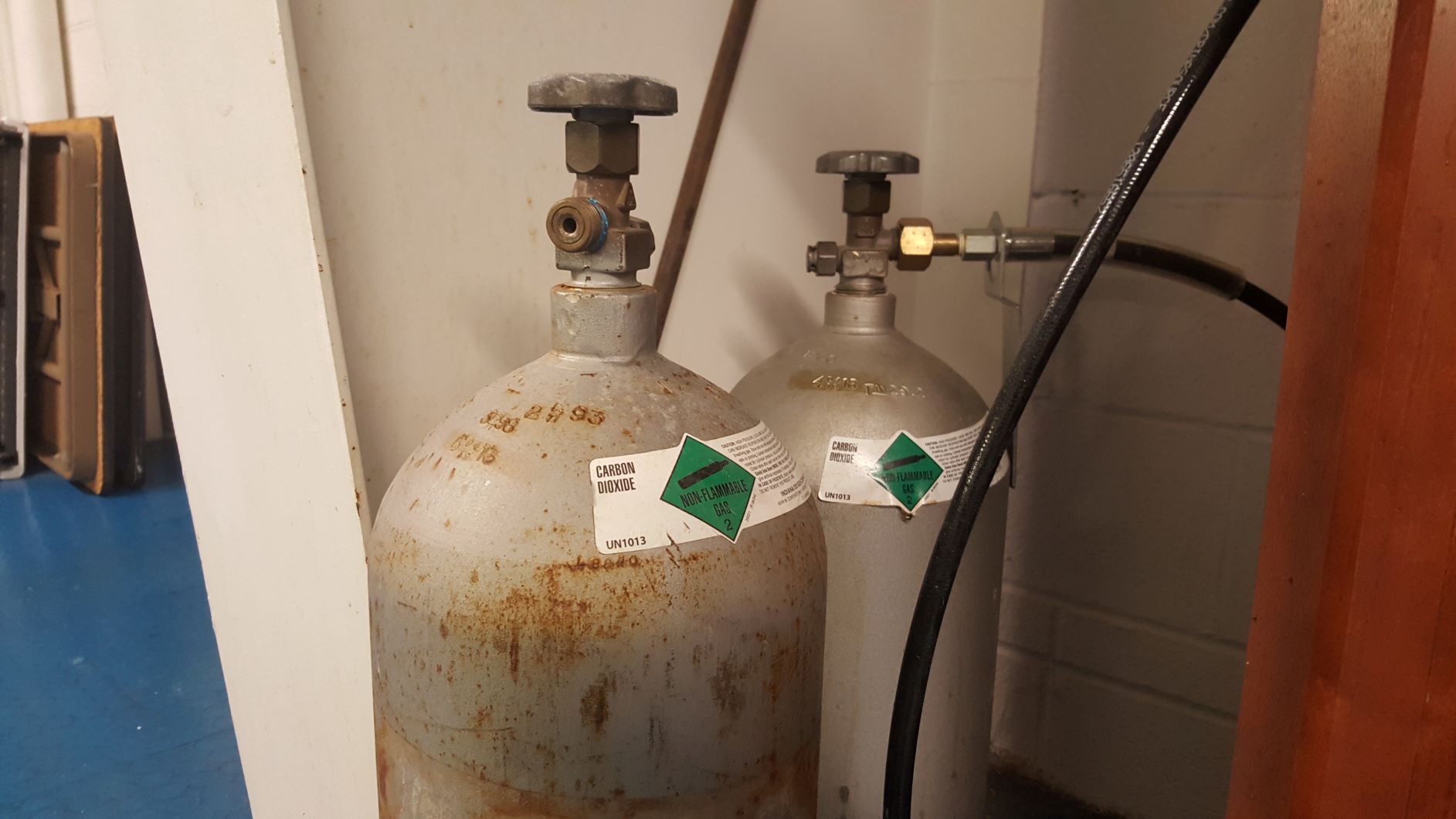
Division 2.2 Carbon Dioxide Cylinder

USDOT Notice of Enforcement Discretion for Cylinders

The Bullet:

Due to the COVID-19 public health emergency, USDOT/PHMSA issued a notice of enforcement discretion to allow for the filling and transportation of DOT-specification cylinders with Division 2.2 Non-Flammable Gas when overdue for their periodic requalification by no more than 12 months. The cylinder must meet all other requirements of the Hazardous Materials Regulations (HMR).

See the: Notice of Enforcement Discretion Regarding Cylinders That Have Exceeded Their Periodic Requalification Test Date

Who:
  • Issued by: William S. Schoonover / Associate Administrator for Hazardous Materials Safety
  • The agencies:
    • Pipeline and Hazardous Materials Safety Administration within the U.S. Department of Transportation (USDOT/PHMSA).
    • Federal Motor Carrier Safety Administration within USDOT (USDOT/FMCSA).
  • The affected: manufacturers and persons who fill and ship DOT-specification cylinders.
What does the HMR require?
  • Subpart C of 49 CFR Part 180 of the HMR prescribes the requirements for the continuing qualification, maintenance, or periodic requalification of DOT-specification cylinders.
  • Pursuant to §173.301(a)(6):

No person may fill a cylinder overdue for periodic requalification with a hazardous material and then offer it for transportation. The prohibition against offering a cylinder for transportation that is overdue for periodic requalification does not apply to a cylinder filled prior to the requalification due date.

  • Depending on the cylinder type, periodic requalification is required at either a 5-year or 10-year interval.

Contact me with any questions you may have about the transportation of hazardous materials by air, highway, vessel, or rail

International and Domestic

Daniels Training Services, Inc.

815.821.1550

Info@DanielsTraining.com

https://danielstraining.com/

What is the relief?
  • PHMSA gives notice that it will not take enforcement action against any person who fills a DOT-specification cylinder used to transport Division 2.2 Non-Flammable Gas if the cylinder is overdue for its periodic requalification by no more than twelve (12) months.
But watch out for this!
  • The cylinder must comply with all other requirements of the HMR.
  • This relief applies only to transportation by motor vehicle, and does not extend to transport by air, vessel, or railroad.
  • Prior to filling and offering for transportation, all cylinders must be inspected in accordance with the applicable Compressed Gas Association pamphlet and requirements of the HMR. Any cylinder that does not pass the prefill inspection criteria must not be filled.
  • This relief is limited solely to cylinders containing Division 2.2 Non-Flammable Gases.
Where:
  • This relief applies to persons who fill and ship a DOT-specification cylinder to, from, or through the U.S.nitrogen gas cylinder
When:
Why:
  • Due to the Coronavirus disease 2019 (COVID-19) public health emergency, many members of the medical and industrial gas industry have experienced difficulty in obtaining cylinders due to the increased demand or a disruption in the normal business model for cylinder exchange.
  • This enforcement discretion is in response to unprecedented changes in business practices related to the COVID-19 outbreak.
How:
  • USDOT/PHMSA’s mission is to protect people and the environment by advancing the safe transportation of energy and other hazardous materials that are essential to our daily lives. To do this, the agency establishes national policy, sets and enforces standards, educates, and conducts research to prevent incidents.
  • This document is a temporary notice of enforcement discretion. Regulated entities may rely on this notice as a safeguard from departmental enforcement as described herein. To the extent this notice includes guidance on how regulated entities may comply with existing regulations, it does not have the force and effect of law and is not meant to bind the regulated entities in any way.

Daniels Training Services, Inc.

815.821.1550

Info@DanielsTraining.com

https://danielstraining.com/

Conclusion:

The COVID-19 pandemic has disrupted business and the global supply chains they rely on. USDOT/PHMSA is doing its part to ease compliance without sacrificing safety. Including a relief to provide recurrent HazMat Employee training. It’s a delicate balance. I’ve written many articles in the past few months related to the pandemic and the response to it of both USDOT/PHMSA and the U.S. Environmental Protection Agency (USEPA).

Q&A: Does the person signing for receipt of a hazardous materials delivery require HazMat Employee triaining?

Question (12.12.17):

I have a hopefully quick question – a non-hazmat employee can sign for a delivery of a hazmat, correct? They are not unloading, just receiving hazmat to the site and signing for the load.

Contact me with any questions you may have about the transportation of hazardous materials by air, highway, vessel, or rail

International and Domestic

Daniels Training Services, Inc.

815.821.1550

Info@DanielsTraining.com

https://danielstraining.com/

My answer (12.12.17):

Correct. It may be subject to interpretation, but the receipt of Hazmat Shipping paper is not subject to regulation. The physical unloading of the vehicle is subject to regulation. Allow me to explain further.

A more complete answer can be found in the Hazardous Materials Regulations (HMR) of the Pipeline and Hazardous Materials Safety Administration within the U.S. Department of Transportation (USDOT/PHMSA). At 49 CFR 171.1 USDOT/PHMSA explains the applicability of the HMR to persons and functions.  Applicable functions include:

  • Each person who manufactures, fabricates, marks, maintains, reconditions, repairs, or tests a packaging for use in the transportation of hazardous materials.
  • Pre-transportation functions. Functions that must take place before the HazMat is offered for transportation. This includes preparing a shipping paper. The pre-transportation functions are usually performed by the person who offers the HazMat for transportation, aka: the shipper.
  • Transportation of the hazardous material in commerce, which includes:
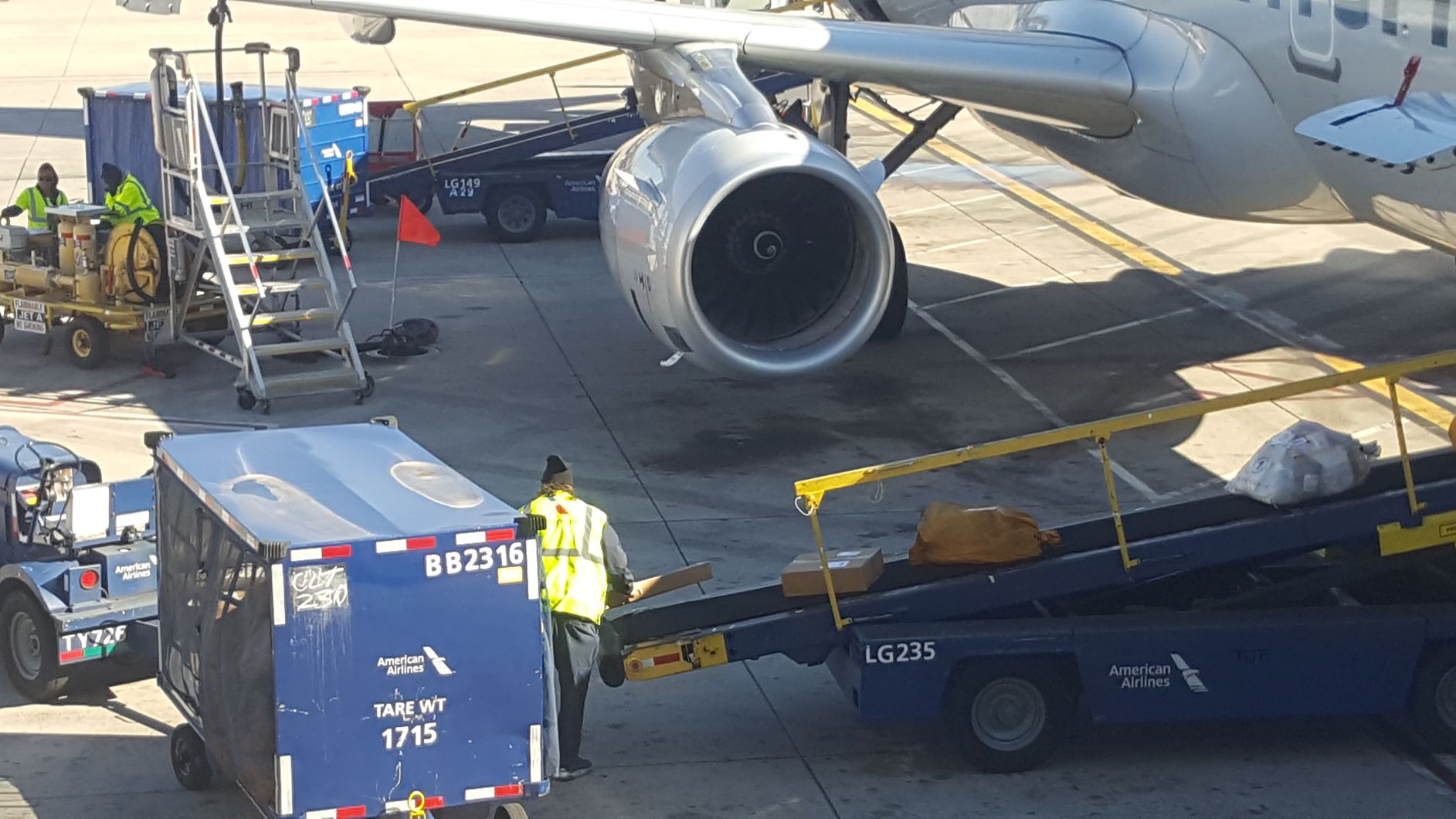
    Unload HazMat at Airport
    The unloading of a hazardous material is subject to the HMR
    • Loading the HazMat prior to its movement. This includes a package or container or the filling of a bulk packaging incidental to its movement.
    • Movement of the HazMat by rail car, aircraft, motor vehicle, or vessel. This function is performed by the carrier.
    • Storage of the HazMat between the time the carrier takes physical possession of it and its delivery to the indicated destination. This will not occur if the HazMat is delivered directly to its destination.
    • Unloading of the HazMat (package, container, or unload of bulk packaging) at the assigned destination when performed by carrier personnel or in the presence of carrier personnel.
  • And that’s it! There is no regulated function entitled “post-transportation function” which may include signing the shipping paper.

So, if the act of signing a HazMat shipping paper is not a function subject to the hazardous materials regulations, it isn’t a function that requires trained HazMat Employees.

Q. Is it even necessary for the destination facility (aka: the receiver) to sign the HazMat shipping paper?

A. No. The regulations for preparation and retention of HazMat shipping papers §172.201 require the shipper to retain a copy for at least two years. At 177.817(f) the carrier is instructed to retain a copy for at least one year. There is no requirement for the destination facility (sometimes identified as the consignee) to retain a copy at all and as a matter of fact, they may never get one!

Daniels Training Services, Inc.

815.821.1550

Info@DanielsTraining.com

https://danielstraining.com/

That did it!

A simple question. A simple answer. But a complex explanation. Make certain you have identified everyone at your company who has a direct effect on the safe transportation of hazardous materials. If they do, they are likely a HazMat Employee. And if they are, they must receive initial (within 90 days) and recurrent (within three years) HazMat Employee training.

Q&A: Is a DOT specification packaging (intermediate bulk container or IBC) required for NA3077 Hazardous waste solid, n.o.s.?

Question (12.08.17):

Hi Daniel

We have about forty 1,000 pound super sacks that we need to ship for disposal before the end of the year.

They will ship as Environmentally hazardous Substance Solid nos UN 3077.

Waste codes D007 and D011 (due to toxic levels of chromium and silver, respectively).

Looking at the 172.101 table (the hazardous materials table at 49 CFR 172.101) we can ship using IP3 = flexible IBC must be sift-proof and water-resistant. (IP3 is a special provision code found in column 7 of the hazardous materials table).

Read: What are special provisions in the USDOT/PHMSA Hazardous Materials Regulations?

I think that is all we need. They do not need to be otherwise UN rated sack.

Am I right?

Thanks

Before I could answer he provided more information (12.08.17):

I was just told that since it is a hazardous waste that we should ship as a hazardous waste, not hazardous substance name so we are not allowed IP3 and must follow IB8.

Thoughts?

My answer (12.08.17):

I believe I have an answer to your question below.

  • I do not believe the HazMat you describe can be classified as UN3077, Environmentally hazardous Substance, Solid, n.o.s. This is because special provisions code 146 in column 7 for that entry reads as follows (emphasis added):

This description may be used for a material that poses a hazard to the environment but does not meet the definition for a hazardous waste or a hazardous substance, as defined in §171.8 of this subchapter, or any hazard class, as defined in part 173 of this subchapter, if it is designated as environmentally hazardous by another Competent Authority. This provision may be used for both domestic and international shipments.

  • Since this HazMat is a hazardous waste (USEPA hazardous waste codes D007 & D011) and will likely be an reportable quantity (RQ) of a hazardous substance for one or both, it can’t be shipped as UN3077, Environmentally hazardous substance, solid, n.o.s.
  • Instead, I believe, it must be classified as: NA3077, Hazardous waste, solid, n.o.s., 9, PG III.
  • Both UN3077 and NA3077 are subject to special provision code IB8 which indicates the need for specification packaging when shipping in an IBC (intermediate bulk container).
  • UN3077 alone is subject to IP3 which is in addition to IB8 and not a replacement for it.
  • Both UN3077 and NA3077 are subject to bulk packing instructions at 49 CFR 173.240. While these packing instructions allow for non-DOT specification rail cars (paragraph a), motor vehicles (paragraph b), and portable tanks and closed bulk bins (paragraph c), it requires specification packaging for IBCs (paragraph d).
  • In short, this HazMat must be classified as NA3077, Hazardous waste, solid, n.o.s., 9, PG III and if shipped in an IBC must be packed in a DOT specification packaging.

I hope this helps. Please contact me with any other questions.

Interested in a Webinar that covers this topic, and more!

My Webinar Training Schedule

Conclusion:

That did it!

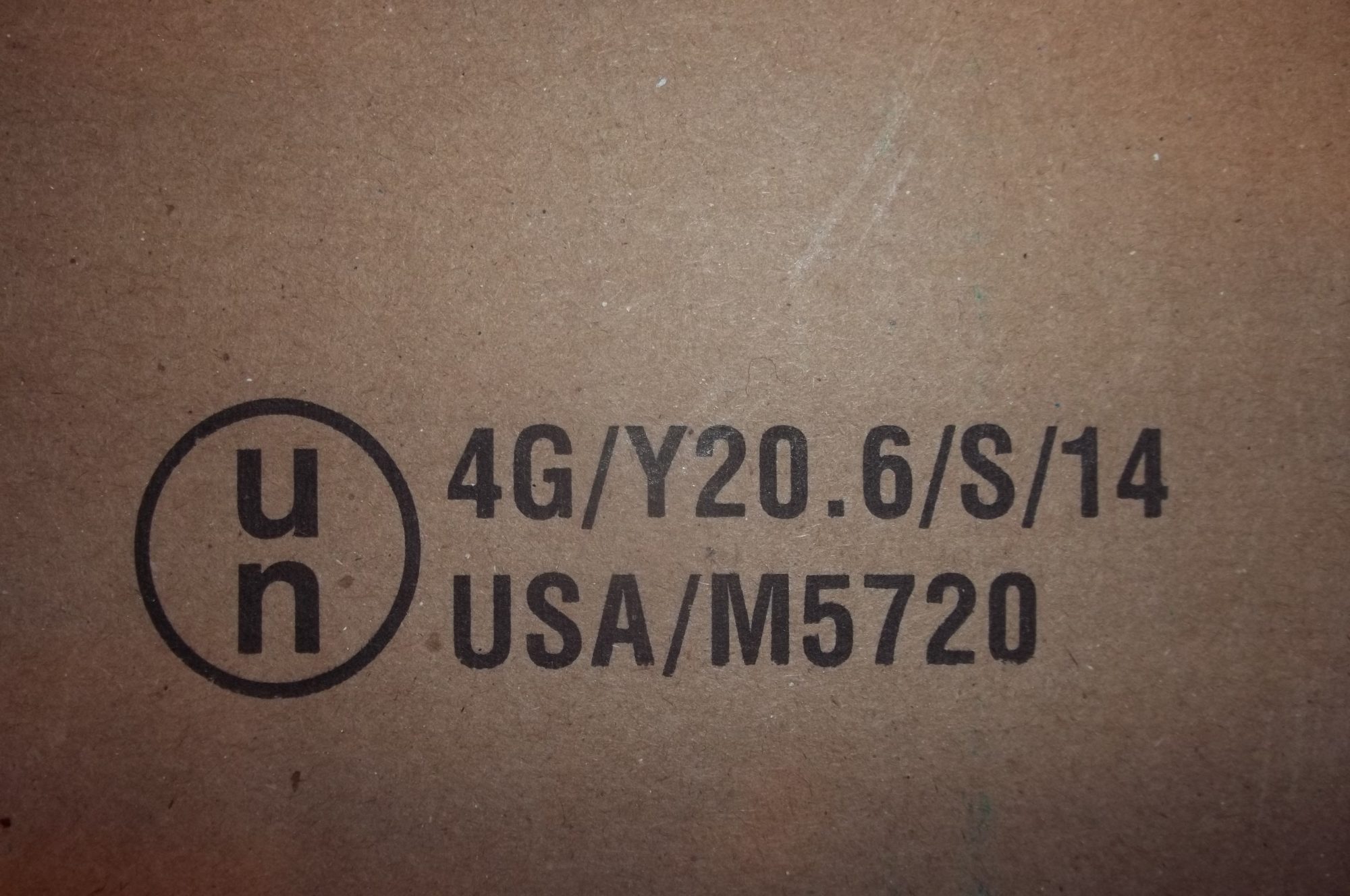
4G/Y20.6/S/14/USA/M5720

FAQ: What are Special Provisions in the USDOT/PHMSA Hazardous Materials Regulations?

A person who offers a hazardous material (HazMat) for transportation (aka: the shipper) is required to select the authorized packaging for the HazMat and follow any relevant packing instructions in the Hazardous Materials Regulations (HMR). The authorized packaging and packing instructions are found in Part 173 of Title 49 of the Code of Federal Regulations (CFR). The section of part 173 that contains the packing instructions and identifies the HazMat’s authorized packaging is referenced in column 8 of the hazardous materials table.

  • Column 8A for packaging exceptions, if any.
  • Column 8B for non-bulk packaging, if such packaging is allowed for the HazMat by the HMR.
  • Column 8C for bulk packaging, if such packaging is allowed for the HazMat by the HMR.

Read: Bulk Packaging for Hazardous Materials Explained!

Contact me with any questions you may have about the transportation of hazardous materials by air, highway, vessel, or rail

International and Domestic

Daniels Training Services, Inc.

815.821.1550

Info@DanielsTraining.com

https://danielstraining.com/

But that’s not all! In addition to column 8, the shipper must also refer to the special provision codes of column 7. What are the special provision codes of column 7 in the hazardous materials table?

49 CFR 172.101(h):

Column 7: Special provisions. Column 7 specifies codes for special provisions applicable to hazardous materials. When Column 7 refers to a special provision for a hazardous material, the meaning and requirements of that special provision are as set forth in §172.102 of this subpart.

The codes in column 7 refer to special provisions, the meaning and requirements of which are found in §172.102. Not all special provision codes are applicable to all shipments of HazMat; it is possible that most (all?) of them won’t apply to a consignment of HazMat. For example, special provision codes that begin with “A” are applicable only to transportation by air. If a HazMat is to be transported by highway, rail, or vessel, then any special provision codes beginning with “A” are not applicable to that consignment.

Read: The Meaning of Special Provision Codes

The special provision codes of column 7 are identified and explained at §172.102. There we find a further explanation of special provision codes and what they mean to the shipper of a HazMat. When a special provision specifies packaging or packaging requirements, it is in addition to:

  • The standard requirements of all packagings prescribed in §173.24.
  • Any other applicable packaging requirements in 173, subparts A and B.

What that means is that the special provision codes, if applicable, will be in addition to any other packaging requirements of the HMR. But we’re not done…When a special provision specifies packaging or packaging requirements:

  • If the special provision imposes limitations or requirements in addition to those prescribed in the packing instructions referenced by column 8 of the hazardous materials table, the shipper must comply with the requirements of the special provision.

So, no matter the requirements of the packing instructions of part 173 referenced by column 8 of the hazardous materials table, the special provisions codes will, if applicable, supersede and replace them for determining compliance.

For more information on both columns 7 and 8, read: Determining Authorized Packaging for the Transportation of a Hazardous Material

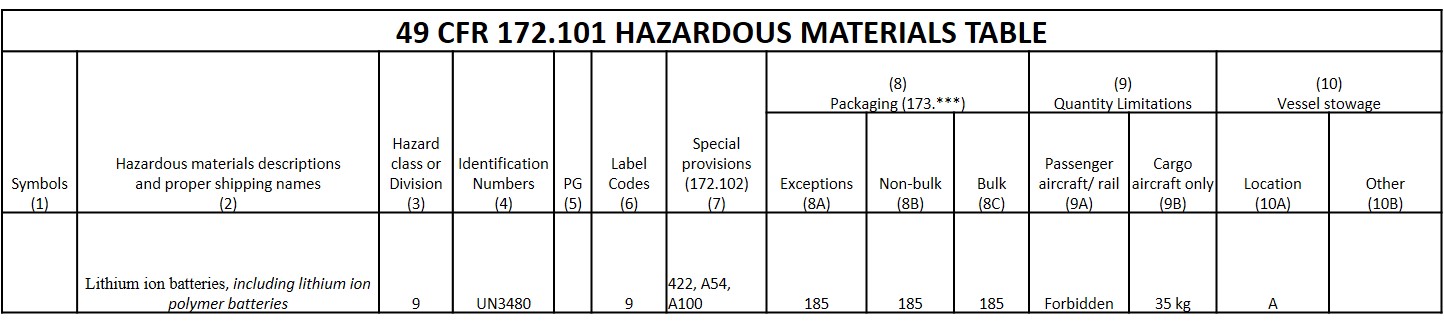
Lithium ion batteries forbidden as cargo on passenger aircraft
Note the special provision codes in column 7 of the hazardous materials table

The special provision codes of column 7 are just one step in the process of offering a hazardous material for transportation in commerce. There are many more and most of them are the responsibility of the shipper of the HazMat. Make certain you are in compliance with the HMR by getting the required USDOT HazMat Employee training for you and your HazMat Employees.

Search Website