PO Box 1232 Freeport, IL 61032

A Different Kind Of Training

A Different Kind Of Training

A Different Kind Of Training

Q&A: How can I use the Materials of Trade exception to transport HazMat?

From the regulated community (02.02.17):

Hi Daniel,
I just read your great article on the MOT Exemption. It was the best I found online! I do have two questions, though. If I was to transport unopened cans of paint (1 gallon each) from one of my facilities to a paint recycling center using my vehicle would that be eligible for the MOT Exemption? Also, if one of our employees purchased paint at Home Depot and then brought it back to the facility using his or her vehicle, would that also qualify for the MOT Exemption? Thank you for your help. I have limited experience in DOT and these are some questions that keep coming up.

Best Regards,

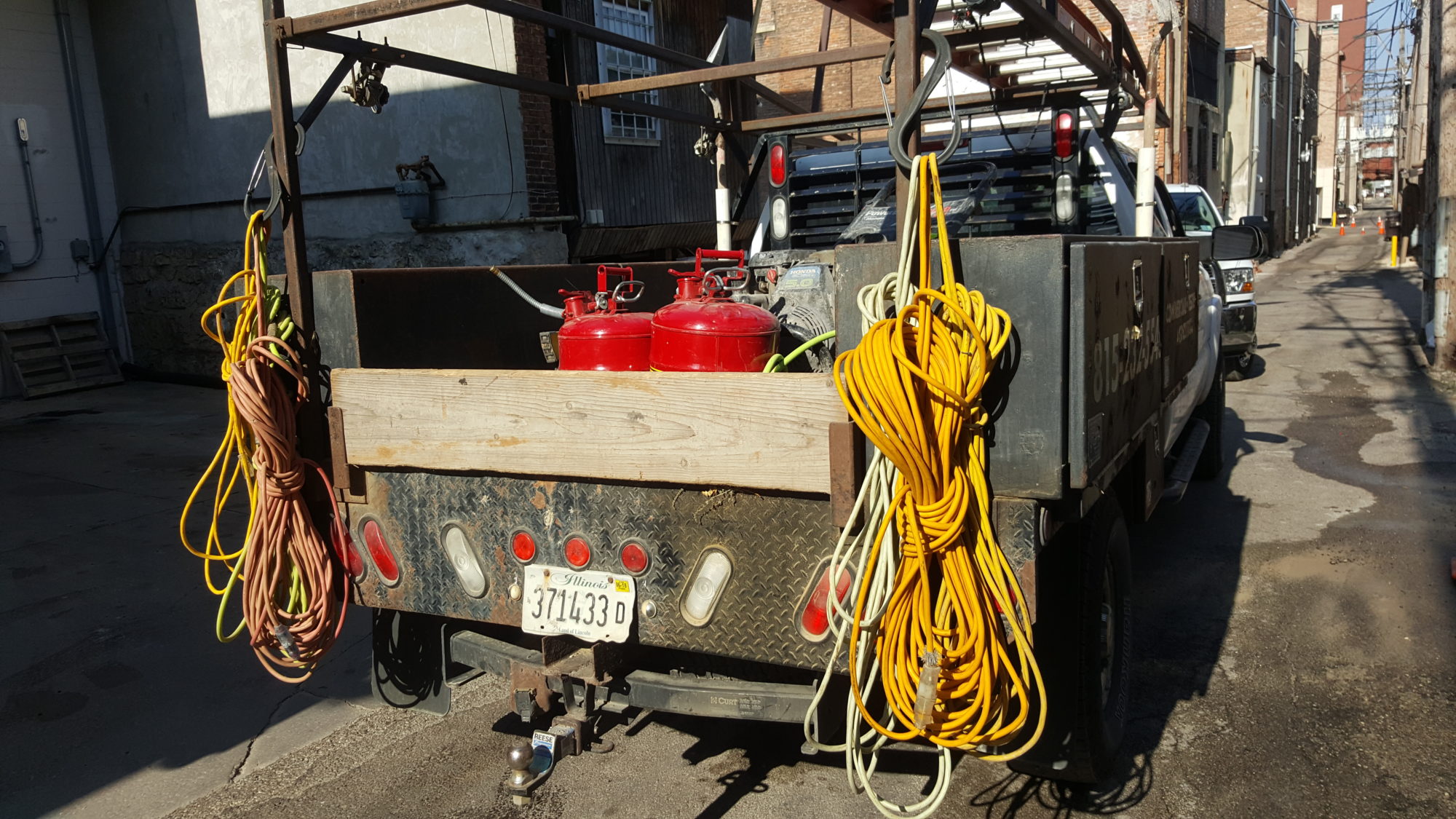
My reply that same day:Small amount of HazMat in vehicle

Thank you for contacting me.  I’m glad you liked my article.  Please see below for answers to your questions.

  • If the paint being taken to the recycling center is a hazardous waste (possibly D001 for Ignitability) then it cannot be transported under the Materials of Trade exception.
  • If the paint is a latex paint or does not otherwise meet the DOT definition of a hazardous material, then it is not subject to regulation at all.
  • Paint purchased at a store and transported by an employee for a business is subject to DOT regulations.  The transport of a hazardous material in this situation would be covered by the Materials of Trade exception.  However, per the bullet point above, perhaps the paint is not a hazardous material at all?
  • The use of a personal vehicle does not change the status of the material under the Hazardous Materials Regulations of the DOT.  If the HazMat is being transported by or for a business or public agency it is subject to the HMR.
I hope this helps!
That was the end of it!

Q&A: Are these HazMat Employees?

A question from an employee of a utility district (01.20.17):

A municipal utility district uses chlorine cylinders to treat drinking water. The cylinders are leased and returned to the vendor for refill with a small amount of residual chlorine under pressure.

In your opinion would any of these activities define the municipal utility district employees as an offer/shipper under DOT rules requiring triannual training?

-Disconnecting cylinders from the treatment process
-Marking the cylinders as “empty”
-Affixing the correct cap to the cylinder
-Moving the cylinder to a desgnated location for pickup by the vendor
-Inspecting cylinders for damage prior to movement into the designated area

Thanks

Before I had a chance to reply he added this:

I wanted add one more employee activity to the scenario I emailed earlier.

-Employees inspecting cylinders for damaged hazmat labels and affixing a replacement label.

Thanks

My reply that same day:

OK, that’s a really good question(s) and one that may not have a clear-cut answer, but I will do my best.  Please see below:

  • Triennial training is required per PHMSA/USDOT regulations for HazMat Employees.
  • HazMat Employee is defined at 49 CFR 171.8 as someone who directly affects the safe transportation of hazardous materials.  This includes loading and unloading HazMat and preparing HazMat for transportation.  This PowerPoint presentation of mine may help:  Who is a HazMat Employee and What Training is Required?
  • My opinion of your activities related to HazMat Employee status (“N/A” = not applicable to HazMat Employee status):
    • Disconnecting cylinders from the treatment process.  N/A
    • Marking the cylinders as “empty”.  N/A
    • Affixing the correct cap to the cylinder.  N/A
    • Moving the cylinder to a designated location for pickup by the vendor. N/A unless it is considered to be preparation for transportation.
    • Inspecting cylinders for damage prior to movement into the designated area.  Possibly HazMat Employee if this is an inspection to ensure they are OK for transportation.  N/A if inspection is not related to preparation for transportation.
    • Employees inspecting cylinders for damaged hazmat labels and affixing a replacement label.  This is definitely an activity of a HazMat Employee.

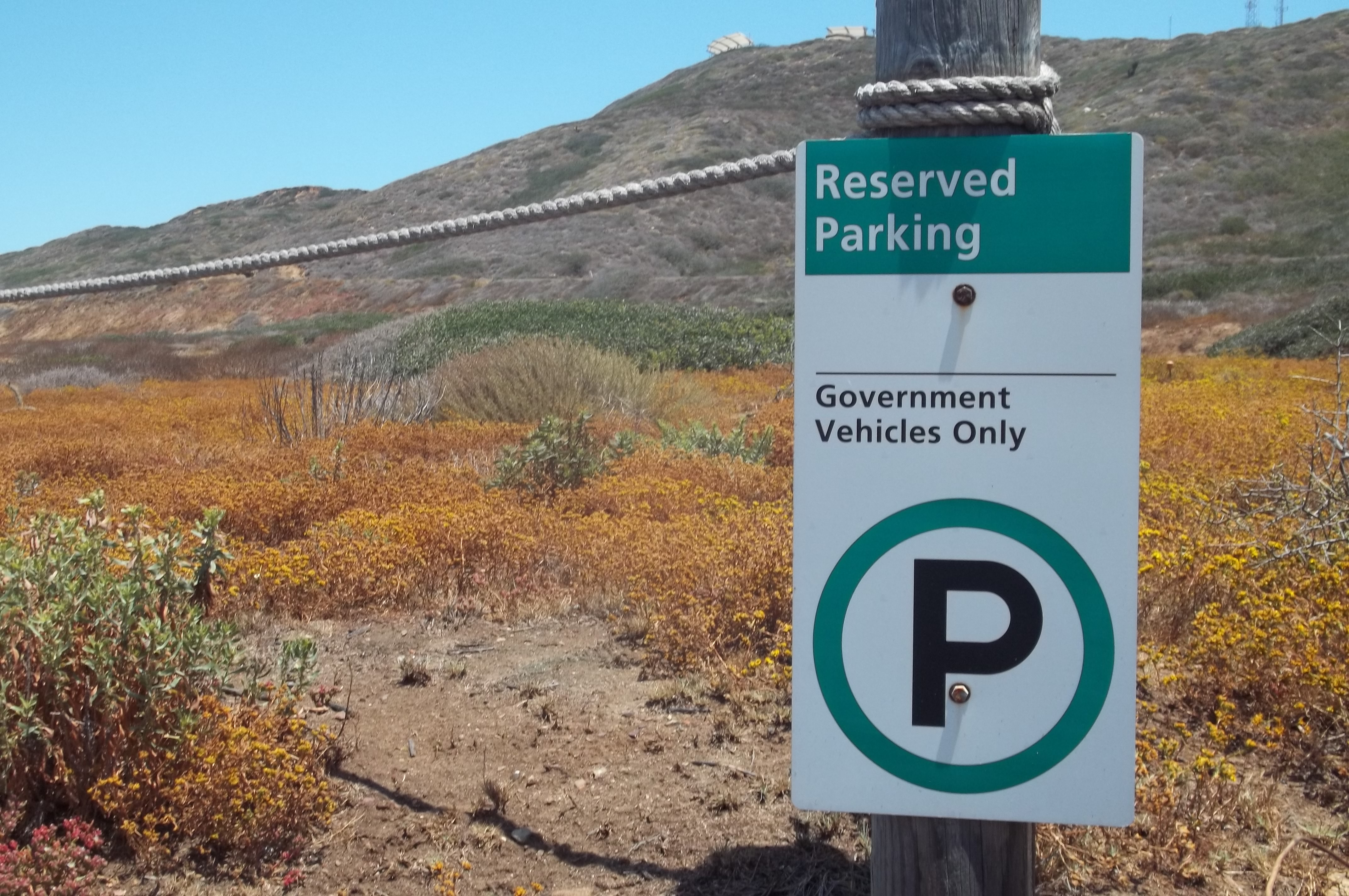
You may also be interested in the Government Employee Exemption.Sign, reserved parking, government employee only

I hope this helps.
Please don’t hesitate to contact me with any other questions.
Me checking in a few days late (01.25.17):
I hope I answered your question completely.

Please let me know if I can be of any other assistance to you.

His reply with an interesting insight:
Thank you.  I believe a lot of utility districts do not understand how broad the scope of the DOT requirements actually are and mistakenly believe they are exempt.

Contact me with any questions you may have about the transportation of hazardous materials by air, highway, vessel, or rail

International and Domestic

Daniels Training Services, Inc.

815.821.1550

Info@DanielsTraining.com

https://danielstraining.com/

My comments:

How true!  I believe that only a small fraction of persons are aware of their responsibility as HazMat Employees to be trained and as HazMat Employer to provide initial and triennial training to their HazMat Employees.
Please don’t hesitate to contact me if you have any questions about your responsibilities under the Hazardous Materials Regulations of the PHMSA/USDOT.
Small amount of HazMat in vehicle

Q&A: How may I transport small amounts of HazMat by a public roadway?

A question from a recent customer (02.06.17):

Hello,
Daniel we have an location a mile down the road that needs some raw material and are hazmat. Need to see if you can give some direction on the rules of small quantities 1gal and less shipping via company transfer.

Small amount of HazMat in vehicleMy reply with prepared information:

I have written articles on this subject that explain it in more detail.  Please see below.

Hazardous waste lab pack drums

Q&A: Does the new identification number package mark height requirement apply to hazardous waste lab packs?

A question from the regulated community (01.26.17):

Hello,
Do the new labeling requirements impact lab packs?
Are they considered ‘non-bulk’ and thus must conform to the new UN size?
Thanks,Hazardous waste lab pack drums

My reply, buying time:

That’s a good question! Let me research and get back to you.

Final answer that same day:

I believe I have an answer to your question.  I assume it is related to the new size requirement for the identification number on a non-bulk packaging.  Please see below:

  • The new size requirement for the identification number applies to the marking on a non-bulk packaging.
  • Though possible, it is unlikely that a lab pack for hazardous waste will be shipped in anything other than a non-bulk packaging.
  • There is no exception to the new size requirement for lab packs that I can find in 49 CFR 173.12.
Therefore, if a lab pack of hazardous waste meets the definition of a hazardous material (the hazardous waste from a CESQG does not) then it must be shipped according to the regulations of the USDOT.  Since January 1, 2017, those regulations have mandated the minimum height of the identification number marking (just the identification number, nothing else) on a non-bulk packaging.
I hope this helps.
Please don’t hesitate to contact me with any other questions.

Q&A: Must placards be affixed to a vehicle if visible on the packaging in transport?

Question from the HazMat transportation community (01.13.17):

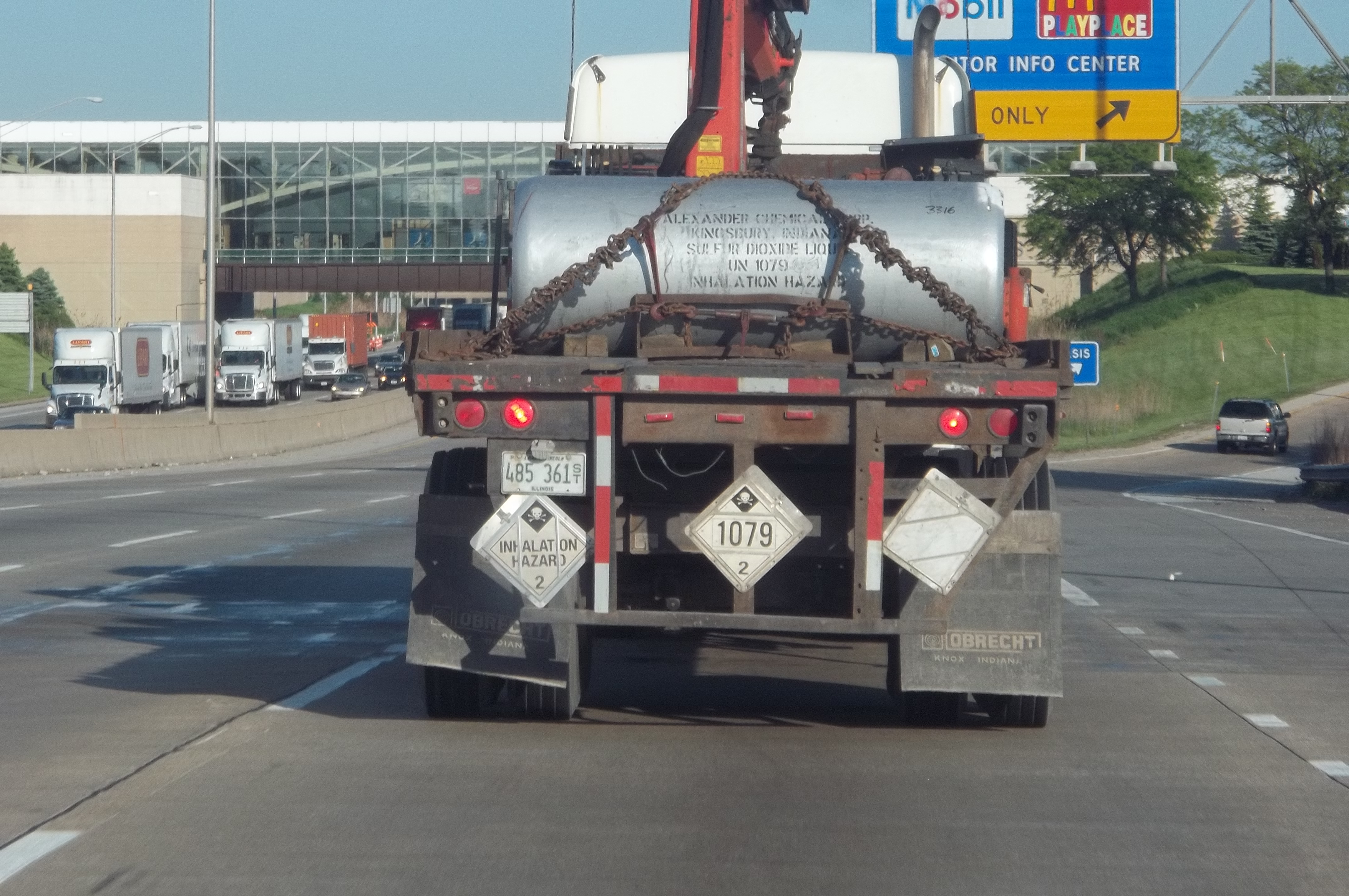
Is it stated anywhere that the placards have to be mounted to the vehicle? If I’m carrying job site bulk tanks on a high flat can the tanks be visibly placard on 2 sides and front and rear or do placards need to be mounted on sides and rear and front of high flat?Bulk compressed gas cylinders of poison gas in transportation

Sent from my iPhone

My reply that same day:

Thank you for contacting me.

The quick answer is that as long as the placards are visible on all four sides of the vehicle it is not necessary to placard the vehicle as well.

I hope this helps.

Please don’t hesitate to contact me with any other questions.

Use of the New Lithium Battery Mark

Contact me with any questions you may have about the transportation of hazardous materials by air, highway, vessel, or rail

International and Domestic

Daniels Training Services, Inc.

815.821.1550

Info@DanielsTraining.com

https://danielstraining.com/

Ohio no Longer Participating in the HazMat Alliance

From the website for the Alliance for Uniform Hazmat Transportation Procedures:

As of September 2017, Ohio is no longer participating in the Alliance for Uniform Hazmat Transportation Procedures. Carriers previously based in Ohio that still operate in participating Alliance states must choose a new base state according to the process contained in the application.

The Alliance for Uniform Hazmat Transportation Procedures is a group of four states — Michigan, Nevada, Oklahoma and West Virginia — that register and permit carriers and shippers of hazardous materials in a uniform manner, utilizing the same application forms and fee assessment calculations.

Below are the remaining HM Alliance member states and the type of hazardous material each regulates under the HM Alliance program:

  • Hazardous waste only
    • Michigan
    • Oklahoma
  • All hazardous materials (including hazardous waste)
    • Nevada
    • West Virginia

Note:  At one time the alliance included both Minnesota and Illinois but they ceased participation some time in the past.

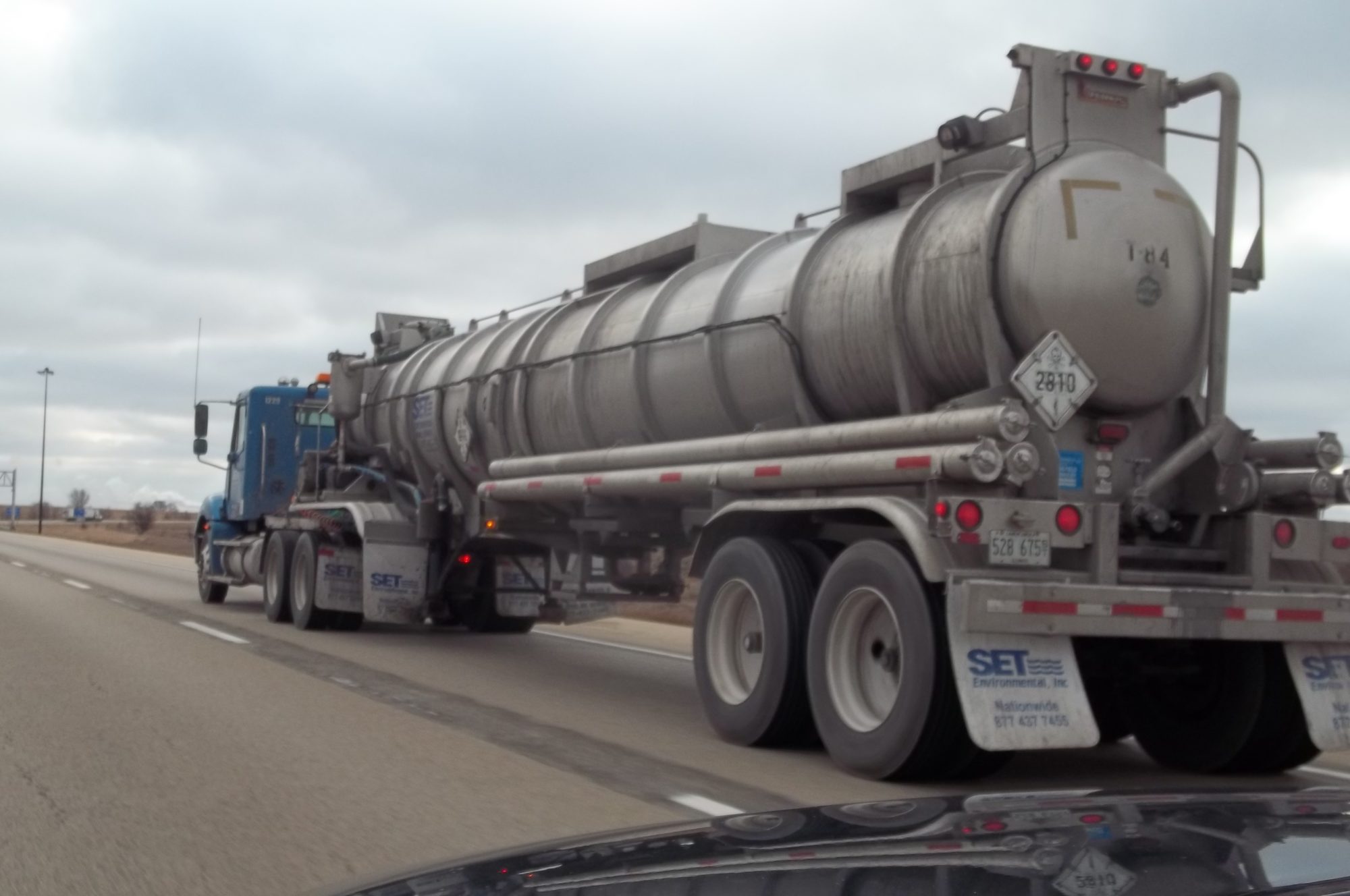
Cargo Tank Truck UN2810 on HighwayThe key policy objective of the Uniform Program for regulating hazardous materials transportation is the protection of public health and safety. The Uniform Program is designed to promote safety through increased compliance with a single set of registration and permitting requirements versus the existing myriad of state programs.

Use of the New Class 9-Lithium Batteries Label

Contact me with any questions you may have about the transportation of hazardous materials by air, highway, vessel, or rail

International and Domestic

Daniels Training Services, Inc.

815.821.1550

Info@DanielsTraining.com

https://danielstraining.com/

What are the Size Requirements for the Package Marks of a Salvage Packaging?

Pursuant to 49 CFR 173.3(c)(3), each salvage drum must be marked with the following:

  • Proper shipping name of the hazardous material inside the packaging.
  • Name and address of the shipper (consignee).
  • The word “SALVAGE”.

Each salvage drum must also display the applicable HazMat label.

The lettering of the package mark for “SALVAGE” must be at least 12 mm (0.5 inches) high.  An exact conversion from metric to U.S. standards is 12 mm = 0.47 inches.  This is the conversion used elsewhere for a similar regulation.  Read: The Minimum Height Requirement of the Identification Number.  For some reason, PHMSA/USDOT decided to round-up to 0.5 inches for this regulation.  Don’t let it confuse you, though.  The reference to inches is only for a point of reference.  Compliance with the PHMSA/USDOT Hazardous Materials Regulations (HMR) is determined in metric measurements.  Read:  Units of Measure Used in the Hazardous Materials Regulations.

Interested in a Webinar that covers this topic, and more!

My Webinar Training Schedule

A transitional exception that ended on December 31, 2016 allowed for the continued use of a package mark that did not meet the height requirement.

A packaging marked with “SALVAGE” prior to January 1, 2017 that does not meet the minimum height requirement may continue in use until the end of its useful life.

Confused about the difference between a salvage drum and an overpack? Read:  The Difference Between a Salvage Drum and an Overpack.

Contact me with any questions you may have about the transportation of hazardous materials by air, highway, vessel, or rail

International and Domestic

Daniels Training Services, Inc.

815.821.1550

Info@DanielsTraining.com

https://danielstraining.com/

Q&A: The Marine Pollutant Exception

This is a question from a customer of mine.  I had provided them with HazMat Employee Training (to meet USDOT regulations), training for the shippers and packers of dangerous goods by air as required by the International Air Transport Association (IATA) and also training for shore-based personnel for dangerous goods by vessel per the International Maritime Organization (IMO).  Afterwards, they had some questions for me about specific shipping challenges.  Like all of my customers, I happily answered their questions at no cost.  For this particular question the customer had already sent me a Safety Data Sheet (SDS) for the product they wished to ship.  We had had a brief telephone conversation where I informed them the product was a marine pollutant and was subject to an exception.

Marine Pollutant MarkThe question (01.09.17):

Daniel –

During our conversation, you said that the IMO and IATA laid out an exception for the product I sent you the SDS for, where as long as it’s in an inner packaging ≤ 5L, it isn’t regulated per IATA.
A) Did I understand you correctly (is that true)?
B) Where did you see that? I’m just looking over the SDS and can’t find anything that would have tipped you off to that information, and I would like to read that exception myself.
C) Is that exception (if it is as I understand it) for the raw material itself, or for the UN 3082 entirely?
Also, did that exception also remove the Ltd. Qty. ‘G’ limitation?
Thanks for your help.
My reply the same day:
Please see below:
  • USDOT, IMO, & IATA have an exception from regulation specific to Marine Pollutants if they are below 5 kg/5 L per package.
  • The exception is not referenced in the SDS.  It can be found as follows:
    • 49 CFR 171.4 of the USDOT HMR.
    • Special Provision A197 of the IATA DGR, referenced from 7.1.5.3.
    • 2.10.2.7 of the IMO Dangerous Goods Code.
  • The exception would apply to any substance that meets the criteria for a marine pollutant.  The exception only applies to it as a a marine pollutant and does not except it from any other regulations.  For example, if a marine pollutant is also a Class 3 Flammable Liquid, it may be subject to the above marine pollutant exception but would remain regulated as a Class 3 Flammable Liquid.
  • The marine pollutant exception has nothing to do with the limited quantity exception.  The ‘G’ in the Dangerous Goods List only applies if you are shipping the HazMat as a limited quantity.
I hope that helps.
Please don’t hesitate to contact me with any other questions.
Some follow-up from the customer:

Daniel –

Thank you so much for your thorough response.
Correct me if I’m wrong, but wouldn’t the Special Provision A197 supersede the Limited Quantity exception in regard to relief of shipping limitations? Basically, as long as we are following the Special Provision, and not shipping it Ltd. Qty., my understanding is that the special provision allows us to ship the product un-regulated, therefore not being subject to any gross weight limitations as long as it’s being shipped below 5kg/L. Is that true?
I just want to make sure that I’m interpreting all of this accurately before I make my case to UPS HazMat. 🙂
Thanks again for your patience with us on this.
My reply:

You are correct.  Sequence is:

  1. Classify to determine if HazMat/dangerous good.
  2. If yes, determine if exception applies.  In this case, both the marine pollutant exception and the limited quantity exception apply.
  3. Choose exception to use or ship as fully regulated HazMat.
  4. If shipping per marine pollutant exception, then material is not regulated (i.e. not HazMat/dangerous good) as long as you comply with the requirements of the exception.
  5. The gross package weight limits of the limited quantity exception only apply if you choose to use that exception.  You are not doing that in this case.
Please don’t hesitate to contact me with any other questions.

Contact me with any questions you may have about the transportation of hazardous materials by air, highway, vessel, or rail

International and Domestic

Daniels Training Services, Inc.

815.821.1550

Info@DanielsTraining.com

https://danielstraining.com/

Conclusion:
This exchange represents a common challenge of complying with the Hazardous Materials Regulations: that of taking things step-by-step in an orderly process.  As my last email to the customer details, there is a process to compliance.  An action taken out of sequence – even if a correct action – could lead to a non-compliance.  One thing I strive for in my training is not to simply tell trainees what to do but to show them how it is done, and more importantly, to have them perform the actions themselves.  Identifying hazardous materials by their proper shipping name in the hazardous materials table, determining the proper packaging including what – if any – packaging exception is available, applying the four hazard communication methods (labels, marks, shipping papers, and placards)…it all must be done in the proper sequence.

Search Website