PO Box 1232 Freeport, IL 61032

A Different Kind Of Training

A Different Kind Of Training

A Different Kind Of Training

Department of Toxic Substances Control (California) Files Complaint Against FedEx Ground

The Bullet:

DTSC alleges that FedEx Ground committed more than 1,500 acts resulting in multiple violations of California hazardous waste regulations.  These acts took place at each of FedEx’s thirty-one terminals throughout California.  Alleged violations stem from improper management of broken or leaking packages that contained hazardous materials.  If proven, the violations subject FedEx to civil penalties of up to $25,000/violation.

View the DTSC news release:  DTSC files complaint against FedEx Ground:  Company allegedly mishandled hazardous materials shipped in California

Who:

The Department of Toxic Substances Control (DTSC) is one Department within the California Environmental Protection Agency (Cal EPA).  The DTSC manages the hazardous waste program within the state of California.

FedEx Ground Package System, Inc. (FedEx Ground) is a nationwide Carrier of materials & articles (hazardous & non-hazardous).  In this instance, it is also the Generator of a solid waste.

 What:

Alleged violations include:

  • Improper – or absent – hazardous waste determination.
  • Unlawful transportation of hazardous waste.
  • Transportation of hazardous waste without the Uniform Hazardous Waste Manifest.
  • Failure to obtain hazardous waste generator identification numbers.
  • Did not send hazardous waste to authorized hazardous waste treatment, storage, and disposal facilities.
  • Did not use proper hazardous waste labels and markings on the container.
Where:

Civil complaint filed in Sacramento County.  Violations are alleged to have taken place at FedEx’s thirty-one (31) terminals within California.

When:

News release:  June 26, 2014.

According to the news release, the alleged violations have occurred, “since at least November 2008”.

Why:

The improper management of hazardous waste can lead to the pollution of the environment and jeopardize human health and safety.  DTSC regulates hazardous waste within California to ensure it is managed in a way to minimize its impact on the environment.

How:

As a state with an authorized hazardous waste program, Cal EPA – and DTSC – can create and enforce its own regulations as long as they are at least as strict and broad as those of the USEPA.

Conclusion:

What conclusions can be drawn from this?  Number one, that significant fines and violations can accumulate from a relatively simple lack of awareness of being subject to the regulations.  Pursuant to 40 CFR 262.11 (Federal regulations but adopted by all the states) a generator of any solid waste must determine if it is a hazardous waste.  This is known as the Hazardous Waste Determination.  Simply being aware of this requirement as a starting point could have avoided a significant problem for FedEx Ground in California.

Secondly, despite popular misconceptions, big well-known companies make simple – and costly – mistakes like this all the time.  You as the Generator of a hazardous waste and/or the Shipper of a hazardous material cannot rely on other big-name companies to ensure your compliance.  Their mistakes could cost you!

So what’s the answer?  Training.

If you generate – or even have the potential to generate – any hazardous waste, then someone at your facility must be aware of the applicable regulations of the Resource Conservation and Recovery Act (RCRA).  But more than that, someone must be familiar with the regulations of your state, since, as in this case, the regulations of a state (California) can be much more strict and more broad than those of the USEPA.

I provide that training.  Whether you choose to attend one of my nationwide & year-round Training Seminars, schedule a site-specific Onsite Training, participate in a convenient and inexpensive Webinar Training, or a combination of all three; I’ve can provide you with the training you need to avoid costly fines and penalties.

Please contact me for a free training consultation.

Daniels Training Services

815.821.1550

Info@DanielsTraining.com

https://danielstraining.com/

40 CFR 261.4(b)(7) – The Mining Waste Exclusion from Regulation as a Hazardous Waste

Colorado has state specific regulations for the management of hazardous waste

Requirements of a CESQG in Colorado

As a state with its own hazardous waste program, authorized by the US EPA under the authority of the Resource Conservation and Recovery Act (RCRA), Colorado may make its hazardous waste regulations more strict and more broad than the Federal rule.  Colorado has done this in regards to its regulation of the Conditionally Exempt Small Quantity Generator (CESQG) status for hazardous waste.  The purpose of this article is to explain the state-specific regulations of the Colorado Department of Public Health and Environment (CDPHE) applicable to a CESQG.

Colorado has state specific regulations for the management of hazardous waste
Are you in compliance with the regulations of the CDPHE?

(more…)

Hazardous Material Transportation: Bakken Crude Oil

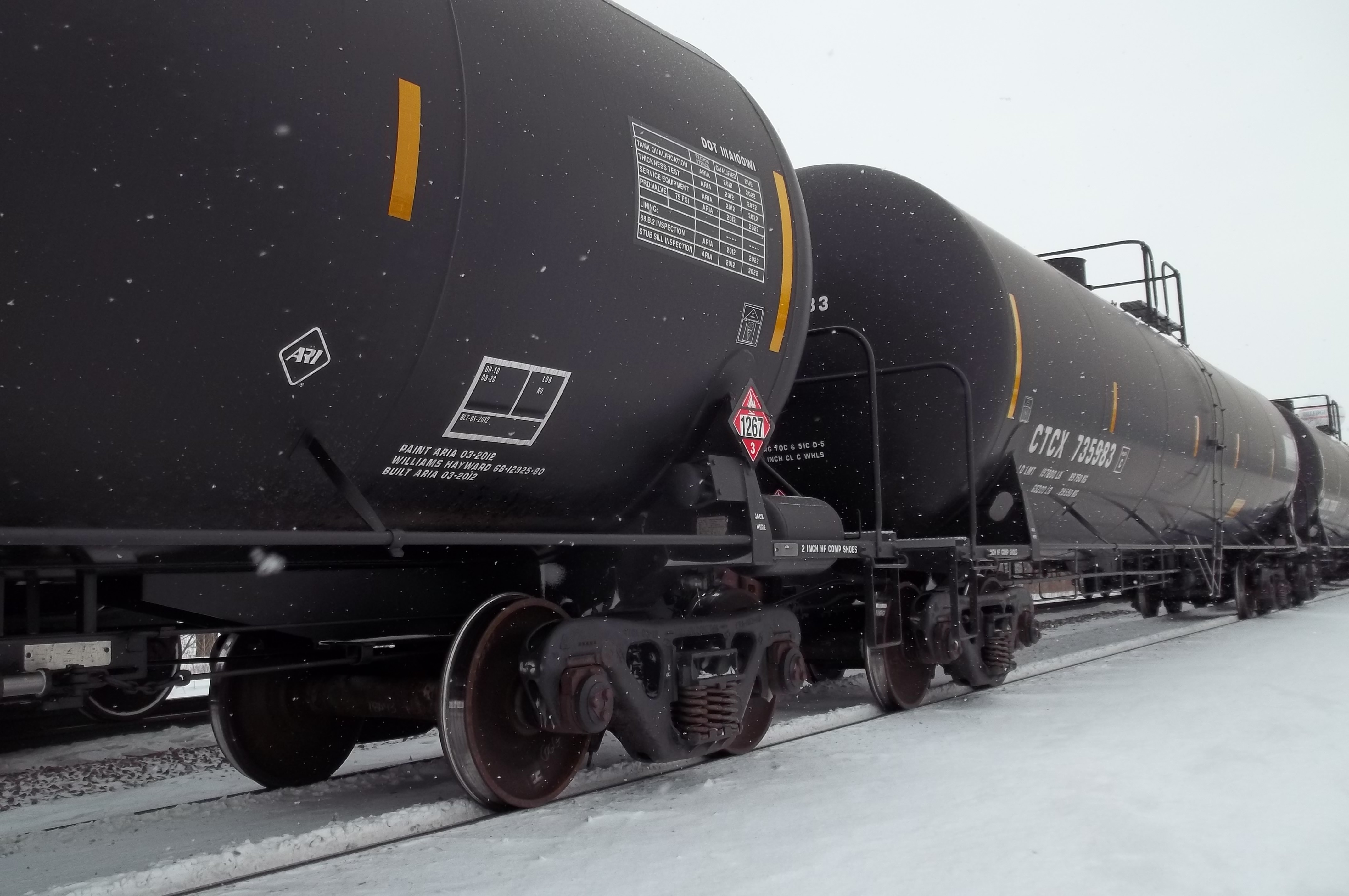
The extraction, transportation, and refining of what has come to be known as Bakken Crude has presented unique challenges to the regulated industry and concerned persons nationwide.  The purpose of this site is to be a source of information related to Bakken Crude Oil and specifically to the hazards it presents in transportation.

Bakken Crude Oil by Rail
Railroad Tank Cars of Bakken Crude Oil passing through Illinois

(more…)

Lithium Metal Batteries banned from passenger air transport as cargo

Lithium Metal Batteries to be Banned from Transport as Cargo in Passenger Aircraft in 2015

The Bullet:

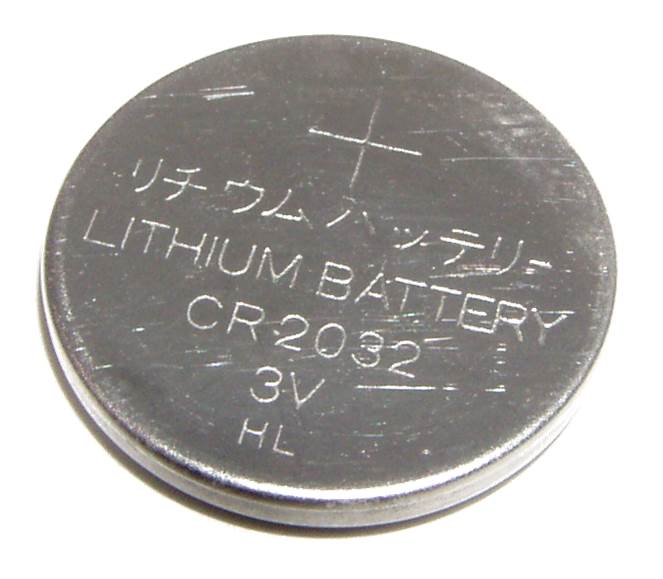
Lithium metal batteries transported as cargo will be restricted to Cargo Aircraft Only from 1 January 2015. The prohibition on the carriage on passenger aircraft only applies to lithium metal batteries when shipped by themselves, and does not apply to batteries packed with equipment or contained in equipment.

Air Transportation of Hazardous Materials
Check with your carrier to see if they require compliance with the IATA DG Code
Who:

ICAO:  International Civil Aviation Organization.  A United Nations organization whose regulatory authority over the international transportation of dangerous goods is recognized by the USDOT/PHMSA at 49 CFR 171.24 for domestic compliance.

IATA:  International Air Transport Association.  A creation of the airline industry as a simplified version of the ICAO Technical Instructions.  Required by most air carriers in the world, including those in the US.  Though its regulations are not officially recognized for domestic compliance by the USDOT/PHMSA, since its regulations are based on – and in some cases more strict than – the ICAO Technical Instructions, compliance with the IATA DGR is seen as compliant with ICAO for both international and domestic transportation.

Lithium Metal Batteries banned from passenger air transport as cargo
You must identify the type of lithium battery and how it is to be transported.
What:
  • Lithium ion batteries (rechargeable, also called Li-ion)
  • Lithium metal batteries (often non-rechargeable)
  • Cargo Aircraft.  Any aircraft, other than a passenger aircraft, which is carrying goods or property.
  • Passenger Aircraft.  An aircraft that carries any person other than a crew member, an operator’s employee in an official capacity, an authorized representative of an appropriate national authority or a person accompanying a consignment or other cargo.

It is important to note that this announced ban only applies to lithium metal batteries being transported as cargo on passenger aircraft.

Also, the prohibition only applies to lithium metal batteries when shipped by themselves.  The prohibition does not apply to the following:

  • Lithium metal batteries packed with equipment.
  • Lithium metal batteries contained in equipment.
Where:

ICAO Technical Instructions must be complied with for air transport outside of the US.  Compliance with the IATA DG Code will likely be required by any air carrier you use for both international and domestic transportation.

When:

Announced by ICAO April 16, 2014.

Unless the decision is overturned by the Air Navigation Council or the ICAO Council, the ban will become effective January 1, 2015.

Why:

Numerous fires caused by lithium batteries while being transported by air have proven a challenge to fire suppression and airline safety systems for over a decade.

How:

As noted above, the USDOT/PHMSA, through its acceptance of the ICAO Technical Instructions for compliance with domestic regulations, permits compliance with the IATA DG Code as substitute for compliance with its HMR.  It is likely that your carrier will require compliance with the IATA DG Code as a condition of accepting your HazMat for Transportation.

For More Information:
Conclusion:

The IATA Dangerous Goods Code is – in many ways – similar to the Hazardous Material Regulations of the USDOT/PHMSA.  However, there are some differences, one of them is the requirement to train personnel involved in the transport of dangerous goods/hazardous materials.  If subject only to the domestic regulations of the USDOT/PHMSA, then you must provide initial training (within 90 days of employment) and a full training course every three years.  If shipping dangerous goods by air, the IATA DG Code requires training before personnel engage in regulated activities and recurrent training within 24 months.

I can provide all the training required to ship hazardous materials/dangerous goods both domestically and internationally.  Contact me for a free training consultation.

Daniels Training Services

815.821.1550

Info@DanielsTraining.com

https://danielstraining.com/


The RCRA Exclusion for Kraft Mill Steam Stripper Condensates at 40 CFR 261.4(a)(15)

CRTs may be a toxic hazardous waste for lead

USEPA Revises Regulations Regarding the Export of CRTs

On June 18, 2014 the USEPA made revisions to its regulations regarding the export of Cathode Ray Tubes (CRTs).  Those persons involved in the export of CRTs for reuse or recycling – eg. electronic collectors and recyclers – must review these revised regulations to ensure compliance.

CRTs may be a toxic hazardous waste for lead
Many older TVs and monitors contain CRTs that are a toxic hazardous waste for lead

A cathode ray tube (CRT) is the glass video display component of an electronic device (usually a computer or television monitor). CRT funnel glass generally contains high enough concentrations of lead that the glass is regulated as hazardous waste when disposed.

In an earlier revision (2006) to the regulations of the Resource Conservation and Recovery Act (RCRA) the USEPA created an exclusion from regulation as a solid waste for CRTs if certain conditions are met (review the RCRA Exclusion From Regulation for CRTs at 40 CFR 261.4(a)(22)).  This June 18, 2014 publication is a revision to the export requirements for those regulations.

Specifically, the rule:

(1) Adds a definition of “CRT exporter” to eliminate potential confusion over who is responsible for fulfilling CRT exporter duties, including submitting the export notices.
(2) Requires information on all interim and final destinations for CRTs exported for recycling to provide more complete information to receiving countries.
(3) Requires annual reports from exporters of used CRTs sent for recycling to provide EPA more accurate information on the total quantity of CRTs exported for recycling during a calendar year.
(4) Replaces the one-time notice for used CRTs exported for reuse with an expanded, periodic notice to improve tracking, and thus better management, of these CRTs.
(5) Requires that normal business records maintained by exporters of used CRTs for reuse be translated into English upon request.

Refer to the USEPA Webpage for Cathode Ray Tube (CRT) Regulations for more information.

Use caution when selecting your CRT recycler:

Cathode Ray Tube Recycler Fined by AZ DEQ

Criminal Penalties for CRT Recycler

Criminal Penalties for Michigan CRT Recycler 

Without the use of the above referenced RCRA exclusion, your CRTs may be required to be managed as a hazardous waste.  The knowledge of this exclusion – and others, see below – is critical for anyone who generates a hazardous waste or – as in the case of CRTs – generates something that could be a hazardous waste.

Daniels Training Services

815.821.1550

Info@DanielsTraining.com

https://danielstraining.com/

Please contact me for a free RCRA Training consultation or any questions you may have about the hazardous waste regulations of the USEPA.

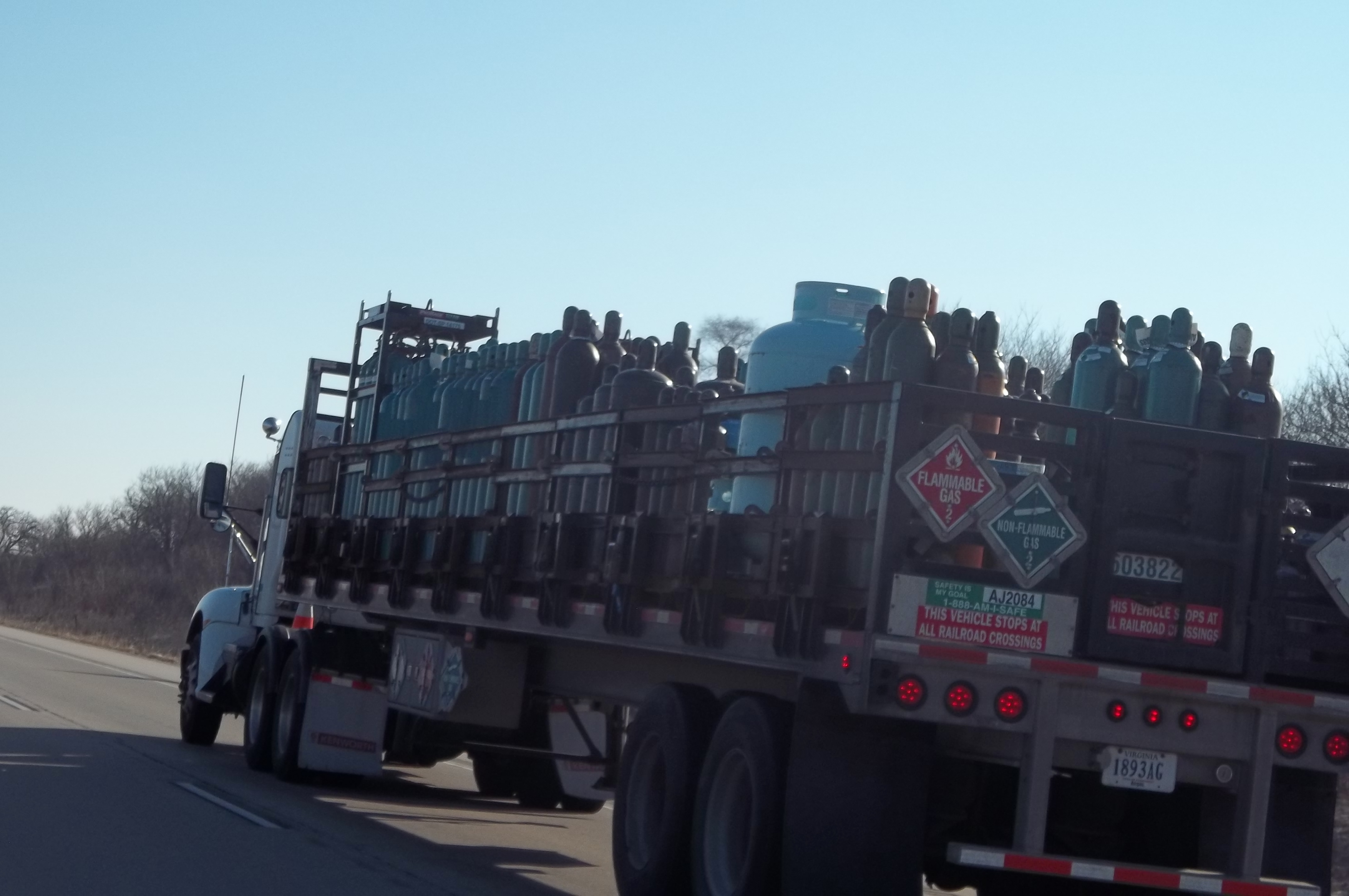
Flammable Gas and Non-Flammable Gas placards on a truck

Exceptions to Placarding Requirements at 49 CFR 172.504(f)

49 CFR 172.504 contains the HMR’s General Placarding Requirements.  It is here where the Placarding Tables 1 & 2 are found [§172.504(e)] and the explanation of the DANGEROUS placard option at §172.504(b).  Here also is the shocking exception from displaying a placard for a non-bulk packaging of a hazardous material from Placarding Table 2 if the aggregate gross weight of vehicle HazMat is <1,001 lbs.  But the purpose of this article is to explain and illustrate the exception from placarding for the NON-FLAMMABLE GAS placard on a transport vehicle pursuant to 49 CFR 172.504(f)(3). (more…)

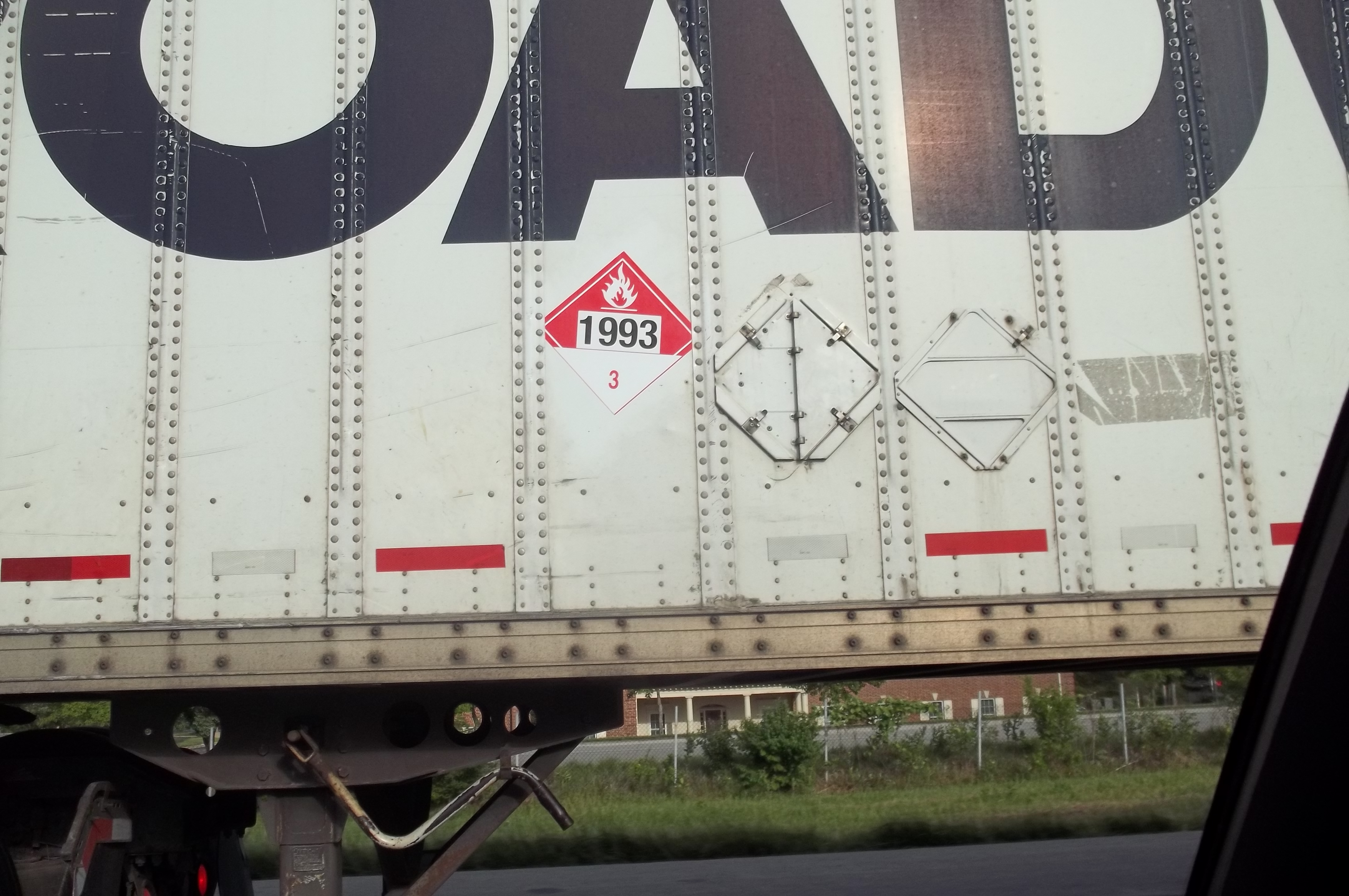
The white bottom combustible liquid

The White Bottom Placard for Combustible Liquids

In general, there are two ways in which a material may be classified as a Combustible Liquid (Hazard Class 3) pursuant to the regulations of the PHMSA/USDOT; they are:

  • It does not meet the definition of any other hazard class and its flash point is above 60 °C (140 °F) and below 93 °C (200 °F).

Or…

  • It meets the definition of a Flammable Liquid with a flash point of ≥100˚F and ≤140˚F and the shipper elects to classify it as a Combustible Liquid.

Read more about both of these options here:  The Classification of a Flammable Liquid and a Combustible Liquid

The transportation in commerce of a Combustible Liquid presents an interesting option when determining the placards to display on a motor vehicle or rail car. (more…)

Extension of the Comment Period for Definition of “Waters of the United States” Under the Clean Water Act

Definition of “Waters of the United States” Under the Clean Water Act; Extension of Comment Period Pages 35712 – 35713 [FR DOC # 2014-14674] PDF | Text | More

Those regular readers of the Federal Register will not have failed to notice the recently published (June 24, 2014) extension to the comment period for the proposed rule regarding the definition of Waters of the United States under the Clean Water Act (CWA).  This is a very controversial topic and, no doubt, the sponsors of the proposed rule:  The US Environmental Protection Agency and the US Army Corp of Engineers are responding to public pressure in extending the deadline for interested parties to submit comments.  The new deadline by which comments on the proposed rule must be received is on or before October 20, 2014.  The original end to the comment period was scheduled for July 21, 2014.

For more information on the status of this proposed rule, refer to the USEPA website:  Clean Water Act Definition of “Waters of the U.S.”

Daniels Training Services

815.821.1550

Info@DanielsTraining.com

https://danielstraining.com/


Search Website