PO Box 1232 Freeport, IL 61032

A Different Kind Of Training

A Different Kind Of Training

A Different Kind Of Training

Q&A: How do I describe alcohol wipes in section 14 of the safety data sheet (SDS)?

The question came to me on April 25, 2018:

Hi,

I found your website when researching hazmat and transportation rules for alcohol wipes and saw your article about them not being subject to Hazardous Material Regulations of PHMSA/USDOT as long as there is no loose liquid in the packet.

The question I have is with regards to the SDS for this kind of item; how would it look and what transportation and packing class would it be under?

Any help would be greatly appreciated.

Thanks,

My reply was a few days later on May 1, 2018:

I am terribly sorry for my delay.  Please see below.

  • You are correct that under certain specified conditions an alcohol wipe is not subject to the Hazardous Materials Regulations of the USDOT/PHMSA.
  • Therefore, it has no requirements under the HMR for its transportation.  It has no “packing class” (I believe you mean either the hazard class or packing group) because it is not subject to USDOT/PHMSA regulations for its transportation.
  • In section 14 of the SDS you may indicate that it is not subject to USDOT/PHMSA Hazardous Materials Regulations as packaged due to special provision 47.

I hope this helps.  I apologize again for my delay.

Please contact me with any other questions.

Interested in site specific training at your site that covers this topic, and more!

Ask me about my Onsite Training

That seemed to do it!

You might be wondering, “What in the world is section 14 of the SDS?  And just what is special provision 47?”  Section 14 – Transportation information is the section of the SDS detailing the transportation requirements (domestic and international) for the hazardous chemical described on the SDS.  Unfortunately, it – along with Section 12 – Ecological information, Section 13 – Disposal information, and Section 15 – Regulatory information are required to be in the SDS (to be consistent with the UN Globally Harmonized System of Classification and Labeling of Chemicals) but their content will not be enforced by the Occupational Health and Safety Administration (OSHA) or any other regulatory agency in the U.S.  So don’t rely on what you read in Sections 12 through 15 of the Safety Data Sheet.

Read more about the sixteen sections of the safety data sheet

Special Provision 47, found in column 7 of the Hazardous Materials Table for the entry: UN3175, Solids containing flammable liquid, n.o.s. 4.1, PG II, is explained in 49 CFR 172.102 of the HMR.  It reads in part:

Small inner packagings consisting of sealed packets and articles containing less than 10 mL of a Class 3 liquid in Packing Group II or II absorbed onto a solid material are not subject to this subchapter provided there is no free liquid in the packet or article.

So, what does special provision 47 mean?  Alcohol wipes in sealed packets are not subject to USDOT/PHMSA transportation regulations as long as there are no free liquids in the packet.

Contact me with any questions you may have about the transportation of hazardous materials by air, highway, vessel, or rail

International and Domestic

Daniels Training Services, Inc.

815.821.1550

Info@DanielsTraining.com

https://danielstraining.com/


Q&A: Is a Class 9 placard and ID number required on a vehicle hauling tanks or tote bins?

A simple question on April 18, 2o18:

My question: is a specific Id# and placards required on a trailer for a class 9 portable tank/tote bin shipment?

Thanks

My reply:

Thank you for contacting me.  I will try to answer your question.  Please see below.

  • The Class 9 Miscellaneous placard is not required to be displayed on a bulk packaging (e.g., a portable tank or tote bin) or a transport vehicle within the U.S.
  • The Class 9 placard may be displayed if desired by the carrier.  All regulations pertaining to the display of placards then apply.
  • If the Class 9 Placard is not displayed on a bulk packaging, the packaging must then display the required Class 9 Miscellaneous label.Class 9 label on IBC
  • The 4-digit identification number of a HazMat must be displayed on a bulk packaging (e.g. portable tank or tote bin) of a hazardous material.
  • If the identification number on a bulk packaging in or on a vehicle or freight container is not visible during transportation (e.g. the tote bin is inside the cargo hold of the vehicle) the identification number must be displayed on all four sides of the vehicle or freight container.
  • Many times the HazMat’s identification number is displayed on the Class 9 placard, though it is not required to be.  It may also be displayed on an orange panel or on a white square-on-point.  Any of the following is an acceptable display of the identification number for a Class 9 Miscellaneous HazMat.

I hope this helps.  Please contact me with any other questions.

Interested in site specific training at your site that covers this topic, and more!

Ask me about my Onsite Training

Conclusion:

The job of a driver transporting hazardous materials on a public roadway is not easy.  Regulations like this can make it even harder.  Make sure you – or your drivers if you represent the motor carrier – are trained and knowledgeable in the regulations of USDOT/PHMSA for the transport of hazardous materials.

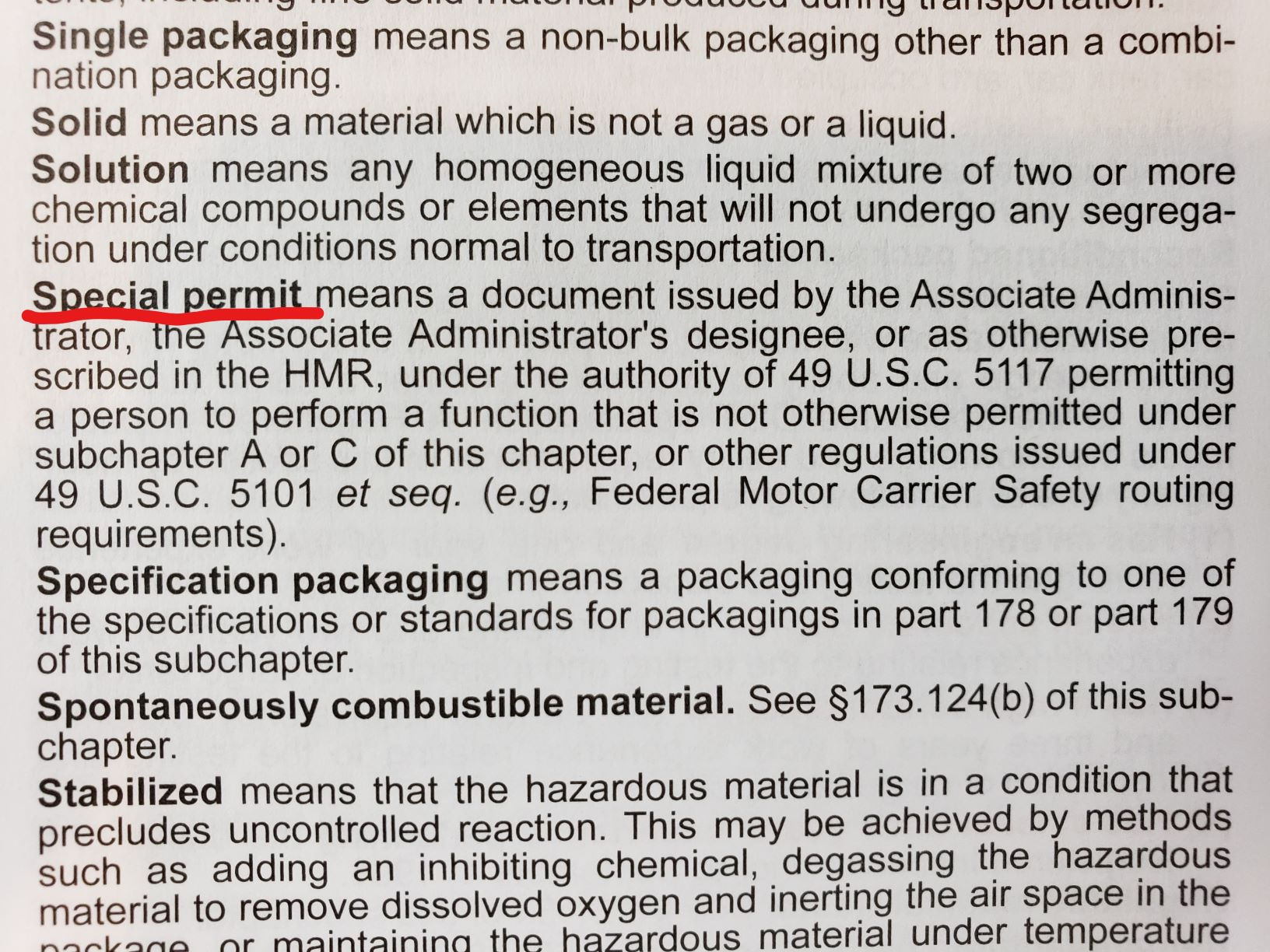
Definition of special permit

Q&A: Is my special permit still good if I submitted the renewal more than 60 days prior to its expiration?

Question (April 17, 2018):

Is it true that before a permit expires but you have already requested 60 days before for a renewal and it is in process of completion… that your about to expire permit is fine until the new one is issued?

I should have known what he meant by “permit” but I had to ask to be sure:

I might be able to help you.

What kind of permit are you referring to?

Like this article?

Subscribe to my Monthly Newsletter

No marketing emails!

His reply (I should have known):

Special permit.

Oh yeah:

49 CFR 107.109(b) of the USDOT/PHMSA Hazardous Materials Regulations (HMR) allows for the continued use of a special permit when the holder files an application for renewal at least 60 days prior to expiration, until final administrative action is taken.  This would include submissions on a date that is 60 days prior to expiration.

And, after a conversation with USDOT/PHMSA:

I received some additional information that may be helpful to you.  USDOT/PHMSA indicated that you should have received a document via email at the time you submitted the renewal application explaining that your renewal application was submitted in a timely manner and that your existing special permit will comply with the HMR even after its expiration should the renewal not be approved by that date.

I suggest you look for the two separate emails you should have received (1) indicating the renewal application was received in a timely manner and a second (2) indicating that use of your special permit past its scheduled expiration is approved if necessary.

Please contact me if you have any other questions.

That satisfied him.

Special permits represent a type of wild card within the HMR.  If you ever find yourself in a situation where you cannot transport or offer for transport a hazardous material in the manner you require, you may find an existing special permit that allows you to do just what you need to do.  If you can’t find an existing special permit – and you have the time and money – you could apply for a special permit specific to your need.  Either way, be sure to renew your application at least sixty (60) days prior to its expiration.  Of course, one of the standard conditions of any special permit is that your HazMat Employees receive training on the conditions of the special permit.

Interested in site specific training at your site that covers this topic, and more!

Ask me about my Onsite Training

More on special permits:

Q&A: Is the HazMat Endorsement on the CDL required for transporting Elevated Temperature Material?

A question I received back in April of 2018. From a guy understandably upset about the confusion over the regulations of his industry:

I have been in the asphalt industry for over 30 years…running asphalt spreaders and bulk delivery the majority of the time…in the past we have been required to list HOT on opposing sides of the bulk tank along with 3257 black letters on white back ground diamond shaped placards…i also have maintained a Hazmat endorsement for the last 30 years and I am quite familiar with all DOT requirements and regulations….
Some where along the line I have found out several construction companies in the <<City>> area are letting drivers who do not have Hazmat endorsements to haul elevated temperature materials..i.e. Hot asphalt with out placards or the required endorsement….
I read the HMR regulations one way…you must display Hot on at least 2 sides of the bulk tank…either with the designated 4 digit number 3257 on the upper point of the placard in 2 inch talk letters in italic design with a total of 4 placards front rear and each side of vehicle…
I am getting into a serious debate about this with a shop manager at my current employer…he swears you do not need placards or a hazmat….only what he refers to as Place cards…??? and the words hot…
???
I have read your argument with the above concerned person (he’s referring to this article: Q&A: The Display of “HOT” or the Identification Number Marking on Packages of Elevated Temperature Materials) and I agree with your conclusion that HOT asphalt above 212 degrees is considered a Hazardous material…and must be placard on 4 sides plus the identifying word of HOT on at least 2 sides of the bulk tank…
I understand both sides of the confusion and understand how someone could be mislead in attempting to decipher the language….
One must return to definitions to explain the terminology…i.e. MAY is meant to mean required…WILL or SHALL are meant as REQUIRED…
I agree asphalt below 212 degrees is not Hazardous material under the HMR regulations.but at 212 or above it becomes a Hazardous material.
For many different reasons….
All shippers in the valley who ship or transport elevated temperature materials or HOT asphalt still give each driver a BOL listing the hazards and other required information….
I guess you could say we have a bunch of DOT officers who do not know the law as well as several transportation companies who do not understand the legal accountability nor the drivers are aware the sever punishment that can be given to them for hauling Hazardous materials….i understand to be a minimum of 24 points on their CSA records and possible felony charges….
If you could elaborate on this it would be great…i am not sure even God himself with a personal appearance could convince the person I am debating with that you must have certain things in order and out line the exceptions that only HOT liquid asphalt is non Hazardous only below 212 degrees.

My reply that same day (God doesn’t do personal appearance for HazMat):

I will try to answer your questions. Please see below.

  • You are correct that a substance meeting the definition of an elevated temperature material is a hazardous material subject to USDOT/PHMSA regulations.
  • Requirements for an elevated temperature material include:
    • Use of a shipping paper (a bill of lading is one possible example) including the additional description of “HOT”, “elevated temperature” or “molten”.
    • The 4-digit identification number (3257 is the identification number for an elevated temperature material but there are others) must be displayed on all four sides of the vehicle / bulk packaging.
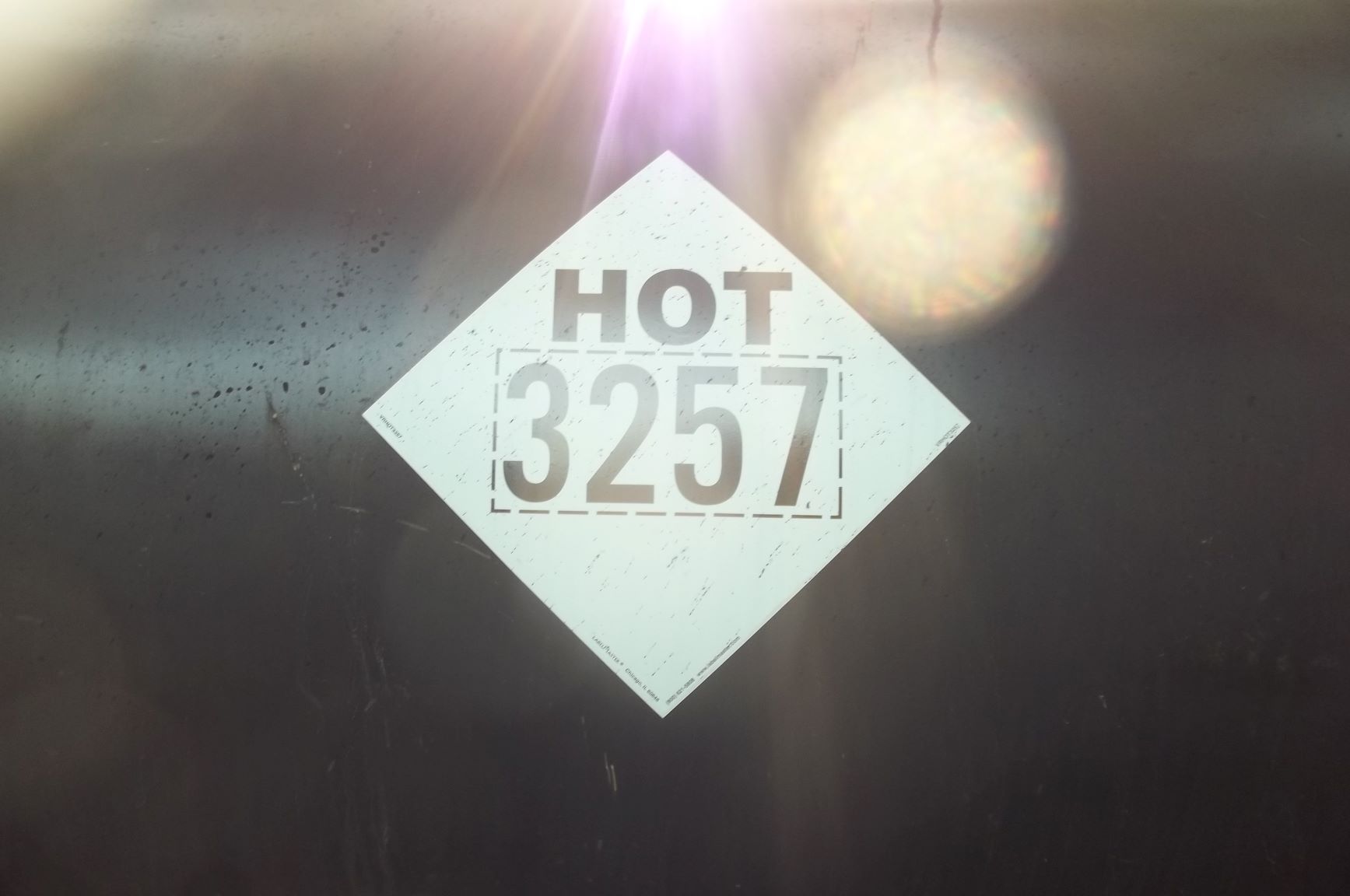
    • “HOT” must be displayed on two opposing sides of the bulk packaging / vehicle. This display is a package mark and is not a placard.
  • In most – but not all – cases an elevated temperature material will be a Class 9 Miscellaneous.
  • The Class 9 placard is not required to be displayed in the U.S. It may be displayed but is not required.
  • The HazMat endorsement on the CDL is required only if the vehicle transports a HazMat that requires the display of placards. Therefore, if a driver solely transports a Class 9 UN3257 placards are not required to be displayed (though the markings are) and the HazMat endorsement on the CDL is not required. This article addresses asbestos and the HazMat endorsement on the CDL but the principles are the same.
  • These requirements also remain:

I hope this helps. Please contact me with any other questions.

Contact me with any questions you may have about the transportation of hazardous materials by air, highway, vessel, or rail

International and Domestic

Daniels Training Services, Inc.

815.821.1550

Info@DanielsTraining.com

https://danielstraining.com/

Well – surprise! – he had a little more to say…

The non use of class 9 hazmat materials and placards is a bit confusing…the way I understand it is like this…if the quantity that is being shipped is over 1000 gallons And the temperature is 212 degrees F. then it is supposed to have placards with the number designation of 3257 along with the words HOT on each side and to the top of the placard or on each side in a separate location along with placards on all 4 sides with the 3257 UN number…i will re read it…but there is something causing mass confusion on this issue…it has been a requirement for many years that it has been classified as hazardous material…and with the H2S that is present that is an anesthetic it is a marine pollutant as well as the dangers of the high temperatures involved with it as it is approaching 400 degrees and is just below or at its flash point and when it is that HOT it produces carcinogens and vapors or gases that can flash due to an ignition source…it also reacts violently with water if it is introduced while loaded or a fire is fought with water…it certainly is not an inert or harmless material…with what I have described and certainly meets several criteria to be called or considered hazardous material…i will do further research…if fire fighters or ems or the public is exposed to HOT asphalt in ranges above 212 degrees life threatening injuries can occur..and with out placards the message on how to approach and fight a fire or not to approach is not conveyed to others and that is the soul purpose of the hazmat regulations is the safety of those who work with it and the public…i will research things deeper…i can’t see the feds just remitting or rescinding of that part of the hazmat regulations…
Thanks.

And again…in an email just a few minutes later…

Also the placarding of HOT asphalt or an elevated material is not done with the strips and white of a Class 9 placard…one size fits all…it is a 4 digit number with a solid white contrasting back ground…still considered class 9…but I am still getting the message under DOT regulations it has to be placards if it meets just one of the qualifications…the elevated temperature alone qualifies it for that…and I could add others but it actually meets 3 or more…
I will refer to Washington DC and the HMR to see if I can get a straight answer…there are still conflicting regulations and too much he said she said and it frankly is very confusing to say the least…

Daniels Training Services, Inc.

815.821.1550

                    Info@DanielsTraining.com

https://danielstraining.com/

The guy was genuinely confused but actively seeking an answer.  I had to try to help:

I can understand your confusion.

One point of confusion is this: The display of the identification number and “HOT” is not a placard. It is a package mark. It is therefore subject to different regulations than a placard.

UN3257 HOT Marking

The Class 9 Miscellaneous can be displayed as a placard or a label, it is not a mark:

Class 9 Placard

While the elevated temperature material you describe is a HazMat – though not for all the reasons you list, merely for the sake of its elevated temperature – as a Class 9 it does not require the display of placards.  No placards required = no HazMat Endorsement on CDL required.

Please don’t hesitate to contact me if you have any other questions.

He didn’t have any other questions – at least not for me.  The Hazardous Materials Regulations (HMR) of the Pipeline and Hazardous Materials Safety Administration within the U.S. Department of Transportation (USDOT/PHMSA) can be confusing.  Sometimes it seems the more questions you ask the more confusing it becomes.  Make certain the answers to your questions and the USDOT HazMat Employee Training comes from someone that refers to the regulations, not their own understanding.

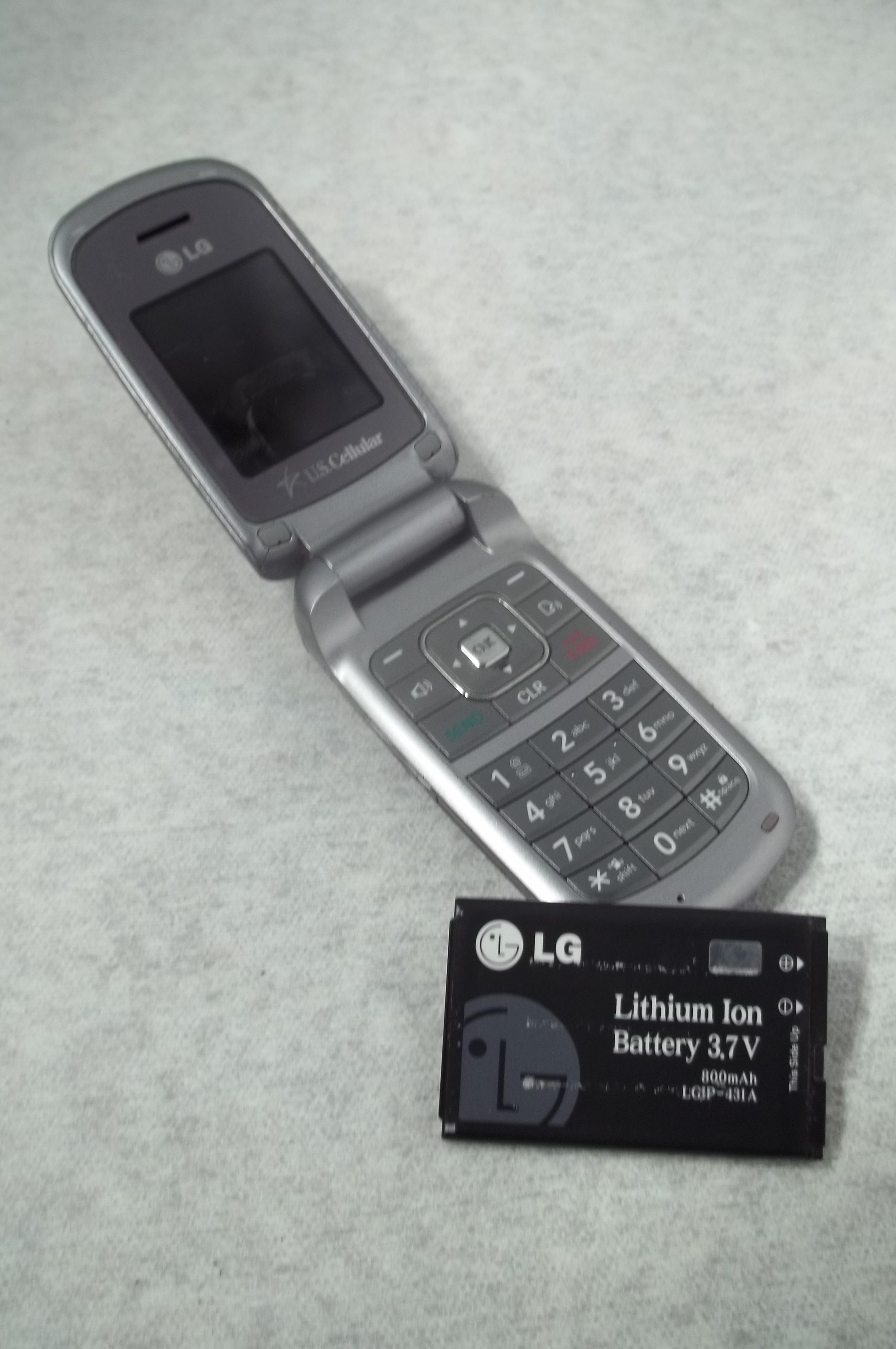
Lithium ion battery and flip phone

FAQ: How can lithium batteries be effectively protected against short circuit?

All regulations pertaining to the transport in commerce of lithium cells and batteries share a requirement that the cell or battery be packaged in a manner to prevent short circuits during transportation.  Left unsaid by the regulations is how this is to be accomplished.

From the IATA 2019 Lithium Battery Guidance Document, Revision 1:

Methods to protect against short circuit include, but are not limited to, the following:

And…

  • Ensure exposed terminals or connectors are protected with non-conductive caps, non-conductive  tape, or by other appropriate means.

It is also important the battery terminals are protected from damage.

  • If not impact resistant, the outer packaging must not be used as the sole means of protecting the battery terminals from damage or short-circuiting.
  • Batteries should be securely cushioned and packed to prevent shifting which could loosen terminal caps or reorient the terminals to produce short circuits.

Like this article?

Subscribe to my Monthly Newsletter

No marketing emails!

Methods to protect battery terminals in packagings include but are not limited to the following:

  • Securely attach covers with sufficient strength to protect terminals.
  • Package the battery in a rigid plastic packaging.
  • Construct the battery with recessed terminals or otherwise protected to prevent damage to the terminals if the package is dropped.

Are there more regulatory requirements for the packaging, hazard communication, and transportation of lithium cells and batteries.  Yes. A lot more.

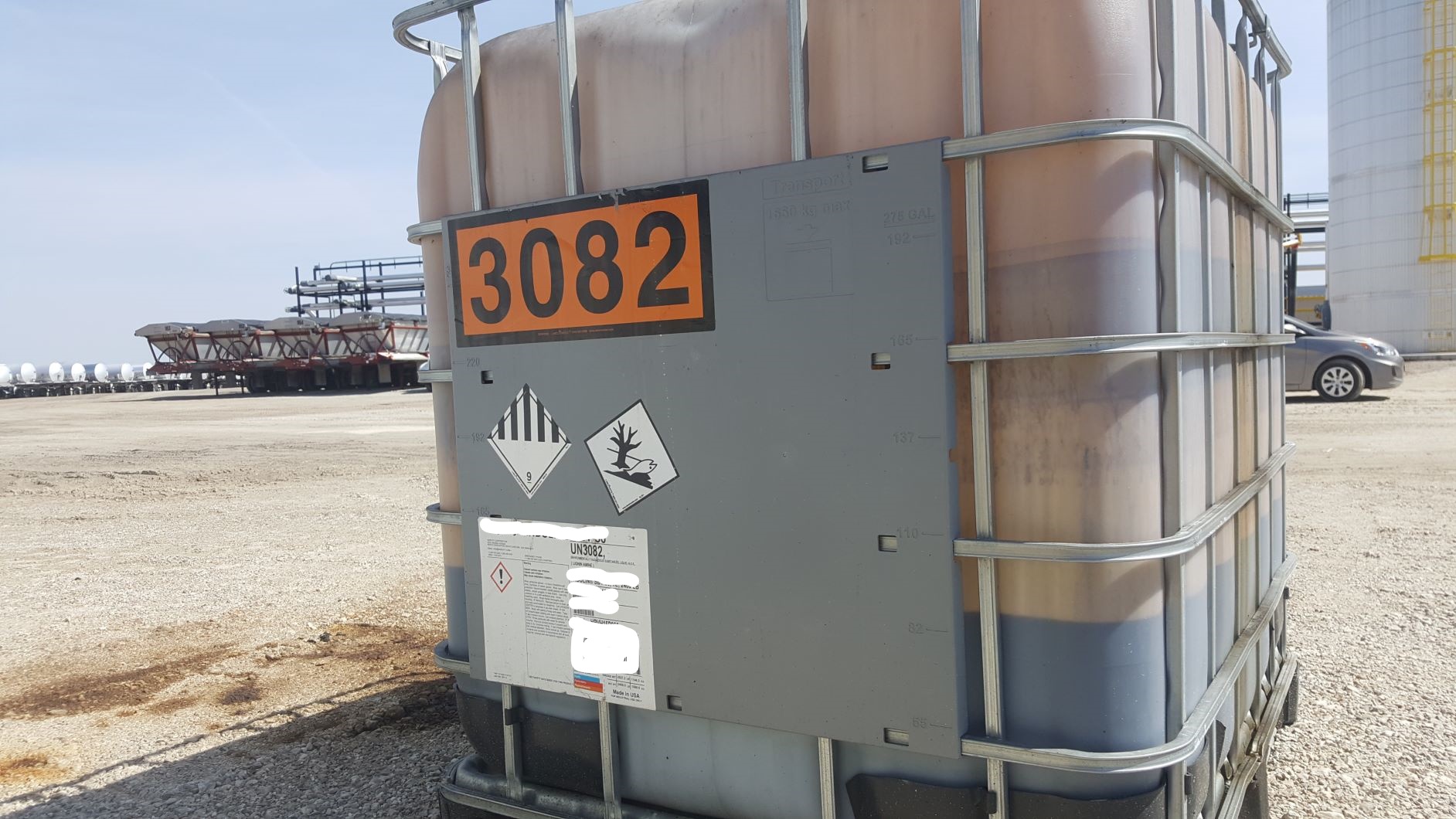
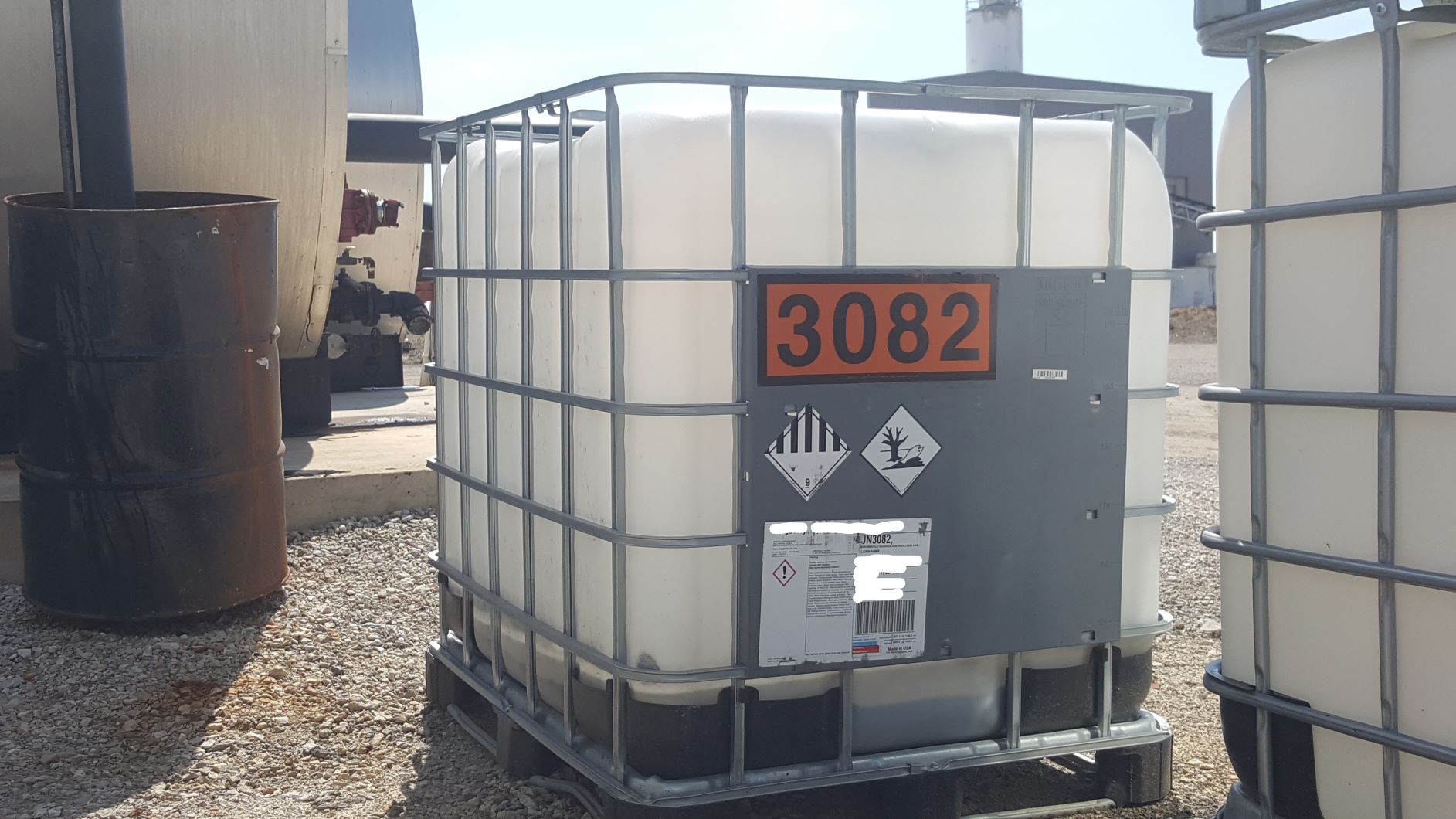
Marine Pollutant in IBC

Q&A: Display of the Class 9 Miscellaneous Placard and the Marine Pollutant Mark

Question (April 09, 2018):
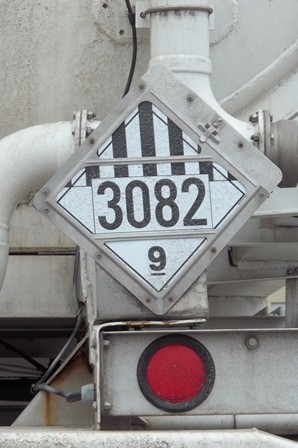
Hello. I work for an ltl carrier and was wondering if I need to placard for class 9 un 3082 marine pollutant. The tote has a placard, along with the fish sticker. Thanks for your timeMarine Pollutant in IBC
My reply the same day:

Thank you for contacting me.  I will answer your question below.

  • Display of the Class 9 Miscellaneous placard is not required within the U.S.
  • However, if transporting a bulk packaging the identification number (3082) must be displayed on all four sides of the vehicle unless the identification number displayed on the tote is visible during transport, e.g., the totes are loaded on a flat-bed trailer and the identification number is visible.
  • I assume the contents of the tote meets the definition of a marine pollutant.
  • Per 49 CFR 172.322(c) a vehicle that transports a packaging that is marked as a marine pollutant must display the marine pollutant mark (at the size of a placard) on all four sides.
  • However, the marine pollutant mark is not required to be displayed if some other placard is displayed.

Class 9 Miscellaneous placard on truckOptions:

  • Display Class 9 placard with ID number (3082) and marine pollutant mark.
  • Display Class 9 placard with ID number w/o marine pollutant mark.
  • Display marine pollutant mark with ID number w/o Class 9 placard.
Your best option may be to display the Class 9 placard with the identification number on all 4 sides of the vehicle.
I hope this helps.  Please contact me with any other questions.

Like this article?

Subscribe to my Monthly Newsletter

No marketing emails!

Conclusion:

The Hazardous Materials Regulations (HMR) of the Pipeline and Hazardous Materials Safety Administration within the U.S. Department of Transportation (USDOT/PHMSA) are especially tricky when the issues of marine pollutants and Class 9 Miscellaneous come up.  This question dealt with both!

Another issue not addressed in this exchange – though relevant to the questioner – is the difference between domestic and international regulations for the classification of marine pollutants and the display of the Class 9 Miscellaneous placard.  It is quite possible that a substance delivered to your site as a marine pollutant in a vehicle or freight container displaying the Class 9 placard may not be a HazMat at all when you offer it for transport (i.e., ship) it from your site.  This is because the rest of the world classifies a marine pollutant differently than we do here in the U.S. and the rest of the world requires the display of the Class 9 placard 

Complicated?  Yes.  But understandable when explained properly through training:

Contact me with any questions you may have about the transportation of hazardous materials by air, highway, vessel, or rail

International and Domestic

Daniels Training Services, Inc.

815.821.1550

Info@DanielsTraining.com

https://danielstraining.com/

Q&A: Are placards required for a bulk packaging with less than 119 gallons of HazMat?

An email question on April 8, 2018:

Sir,

We have tank trailers with a 1000 gallon volume of diesel fuel.  If the tank has 100 gallons or less, do they need to be placarded during transport?

Thank you,

My reply the next day (04.09.19):

Thank you for contacting me.  I will try to answer your question below.

I hope this helps.  Please contact me with any other questions.

Contact me with any questions you may have about the transportation of hazardous materials by air, highway, vessel, or rail

International and Domestic

Daniels Training Services, Inc.

815.821.1550

Info@DanielsTraining.com

https://danielstraining.com/

Grateful but with some clarification still necessary:

Thank you very much

We didnt know if it was the size of the container or the quantity @ 118 gallons was the tipping point from ok to move tank vs haz mat and all safety to be followed.

Thanks again

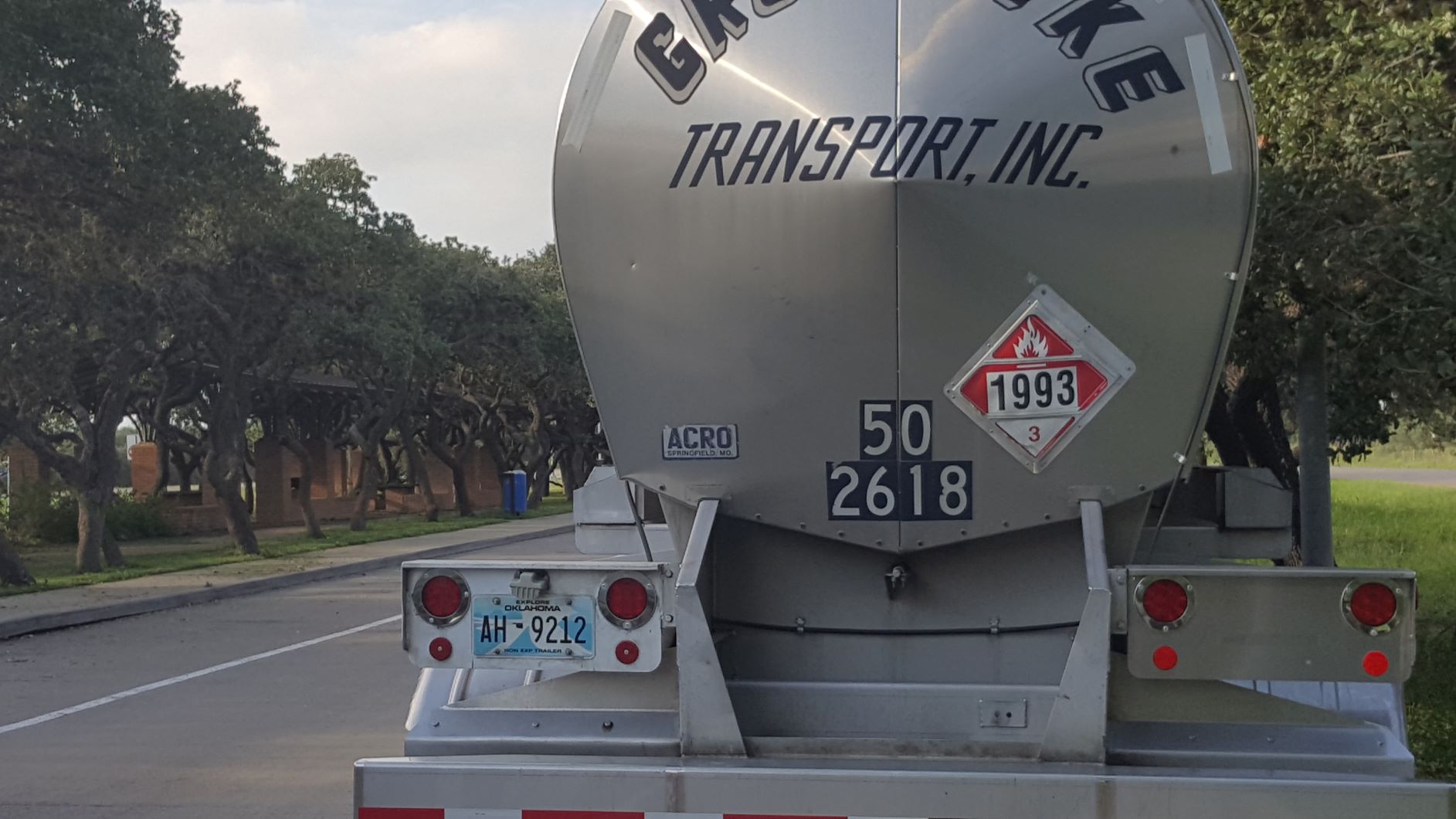
Class 3 Combustible Placard on Cargo TankAnd me with some final guidance:

I understand the confusion.  A bulk packaging is defined by the capacity of the packaging, not what it actually holds.  The threshold for a bulk packaging is one with a capacity of more than 119 gallons.

Please let me know if I can be of any further assistance.

Perhaps some of your employee require HazMat Employee training?

Contact me anytime with questions.

Q&A: Must I display the HazMat identification number on the placard?

A call for help. April 5, 2018:

Hi Daniel-

I am a hazmat driver.

I sometimes get confused about placarding requirements

As an example:

  • I have 1400 lbs of non bulk drums of UN1903-class 8
  • I have 3500lbs of non bulk drums of UN3265 class 8

Do I need two placards per side with the UN number on the placard or will one placard for Class 8 non bulk cover it?

What if I did have the UN #placards already in place and I could use the generic class 8 placard – is this a violation?

I’m glad to pay you for this advice.

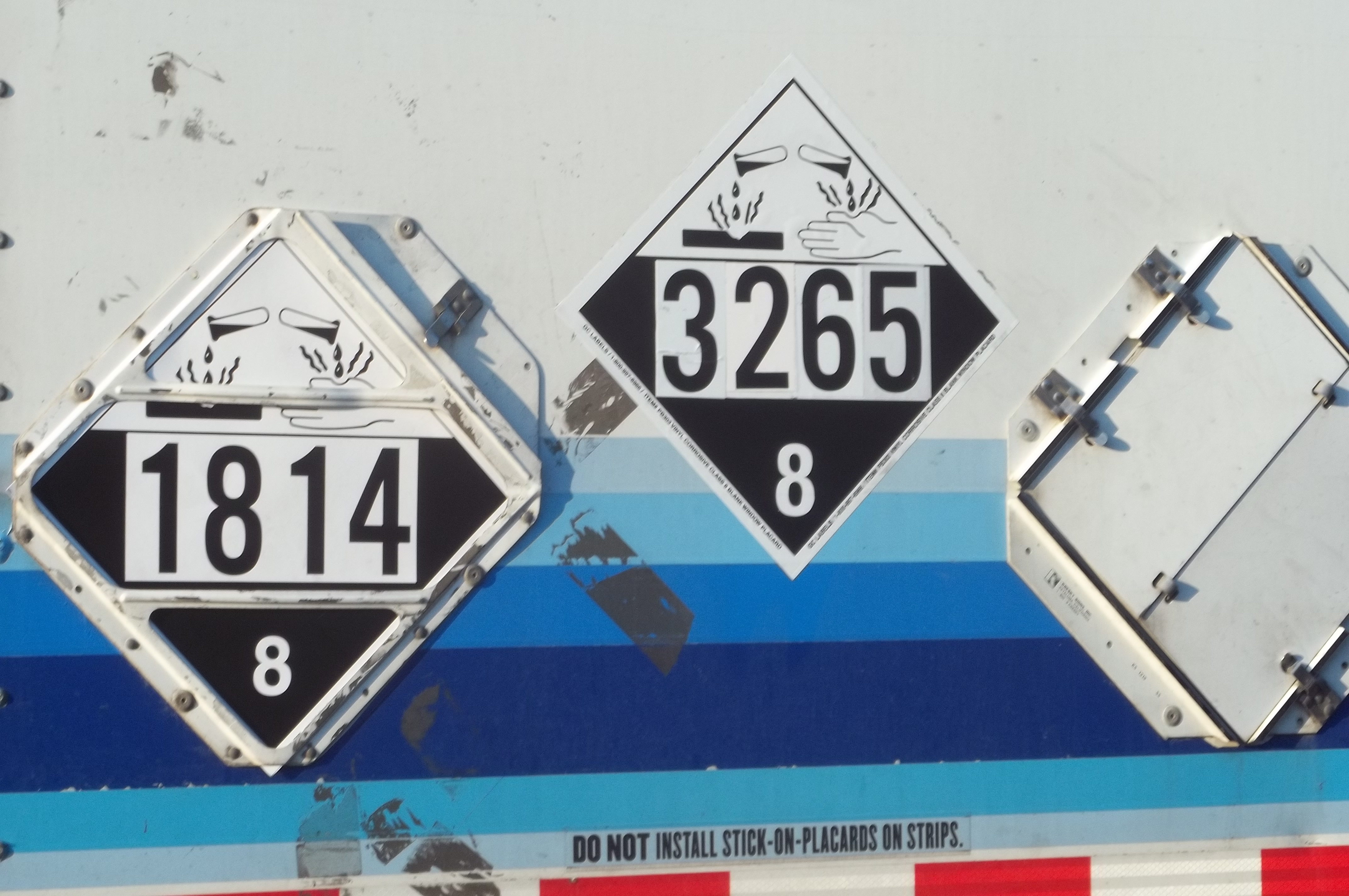
My reply that same day:Class 8 Corrosive Placards

No charge.  I’m happy to help.  Please see below.

  • Either of those HazMat separately – and certainly together – require the display of the Class 8 Corrosive Material placard since the aggregate weight is equal to or more than 454 kg (1,001 lb).
  • The identification number (UN number) is only required to be displayed if the packaging containing the HazMat is a bulk packaging or is a large quantity of a single HazMat.  Read:  Display of Identification Number on Vehicle for Large Quantity of Single HazMat.
  • If the identification number was required to be displayed (and it is not in your situation) it would be necessary for each placard to display its identification number separately, i.e., two placards on each side and each end; each placard also displaying the identification number (1903 & 3265).  Read:  When not to Display the Identification Number on a Placard.
  • Of course, there are several options for display of the identification number on a vehicle.  Read:  Display of Identification Number on Vehicle or Freight Container.
  • In sum:  The display of a single Class 8 placard (no identification number) on each side and each end of the vehicle will suffice for this HazMat.

I hope this helps.  Please contact me with any other questions.

Contact me with any questions you may have about the transportation of hazardous materials by air, highway, vessel, or rail

International and Domestic

Daniels Training Services, Inc.

815.821.1550

Info@DanielsTraining.com

https://danielstraining.com/

He was impressed, grateful, and interested in my training services:

Wow

Thanks

Do u have any self improvement haz classes programs for the X class driver?

I’m interested

Thanks

Why yes! Yes I do provide USDOT HazMat Employee training for drivers of commercial motor vehicles.Onsite Training in action


Display of Division 4.2 & 4.3 placards on vehicle

Placarding for Subsidiary Hazards

The Hazardous Materials Regulations (HMR) of the Pipeline and Hazardous Materials Safety Administration within the U.S. Department of Transportation (USDOT/PHMSA) mandate the display of placards on certain vehicles and packagings when they contain a hazardous material (HazMat).  Compliance is relatively simple if the HazMat has only one hazard.  But what of a HazMat with a subsidiary hazard – or two!  The purpose of this article is to identify and explain the USDOT/PHMSA regulations for the display of placards of a subsidiary hazard. (more…)

Q&A: Can we ship a hydrogen peroxide solution by highway? By air?

Question (March 08, 2018):

We intend to ship a hydrogen peroxide solution, 20-40% w/w, via roadways. We are getting conflicting information on the required labeling. Is an oxidizer warning label required? Thanks

My answer:

Thank you for contacting me.  Please see below.

  • Shipping description:  UN2014, Hydrogen peroxide, aqueous solutions with not less than 20 percent but not more than 40 percent hydrogen peroxide (stabilized as necessary), 5.1 (8), PG II
  • Per column 6 of the Hazardous Materials Table the label codes to be displayed on a package of this HazMat are:  Division 5.1 Oxidizer and Class 8 Corrosive.
  • Division 5.1 is the primary hazard and Class 8 is the subsidiary hazard but this does not affect the display of the labels on the package.
  • There are no special provisions in column 7 of the Hazardous Materials Table that will change this classification if the HazMat is to be transported by highway.
  • Of course, there are other requirements its transportation, to include:

I hope this helps.  Please don’t hesitate to contact me with any other questions.

A follow-up question on April 04, 2018:

Thank you for your response. Can this material be shipped via air? If so, are there restrictions? Thanks again for your help.

My reply that same day:

Yes it may be shipped by air.  Please see below.

  • Air shipments must comply with the IATA Dangerous Goods Regulations.
  • The IATA DGR classifies the material in the same manner as the USDOT/PHMSA does above.
  • It is limited to no more than 1 liter per package if transported by passenger air and no more than 5 L per package if transported by cargo aircraft only.
  • There are packing instructions specific to the type of aircraft.
  • IATA has its own training requirements separate from those of USDOT/PHMSA.

Please contact me if you have any other questions.

That seemed to do it!

It’s not uncommon for people to contact me wondering if something can be shipped – i.e., offered for transportation.  Usually it can, but there will be regulations affecting its transport in commerce.  As the shipper of a HazMat it is your responsibility to identify and comply with those regulations.  Allow me to assist you.

Contact me with any questions you may have about the transportation of hazardous materials by air, highway, vessel, or rail

International and Domestic

Daniels Training Services, Inc.

815.821.1550

Info@DanielsTraining.com

https://danielstraining.com/

Search Website