
| Drum Type | Maximum Capacity | Maximum Net Mass |
|---|---|---|
| Steel drums | 450 L (119 gallons) | 400 kg (882 pounds) |
| Aluminum drums | 450 L (119 gallons) | 400 kg (882 pounds) |
| Metal drums other than steel or aluminum | 450 L (119 gallons) | 400 kg (882 pounds) |
| Plywood drums | 250 L (66 gallons) | 400 kg (882 pounds) |
| Fiber drums | 450 L (119 gallons) | 400 kg (882 pounds) |
| Plastic drums | 450 L (119 gallons) | 400 kg (882 pounds) |
Comparison of New and Old Requirements in Generator Improvements Rule: Preparedness, Prevention, and Emergency Procedures for Large Quantity Generators
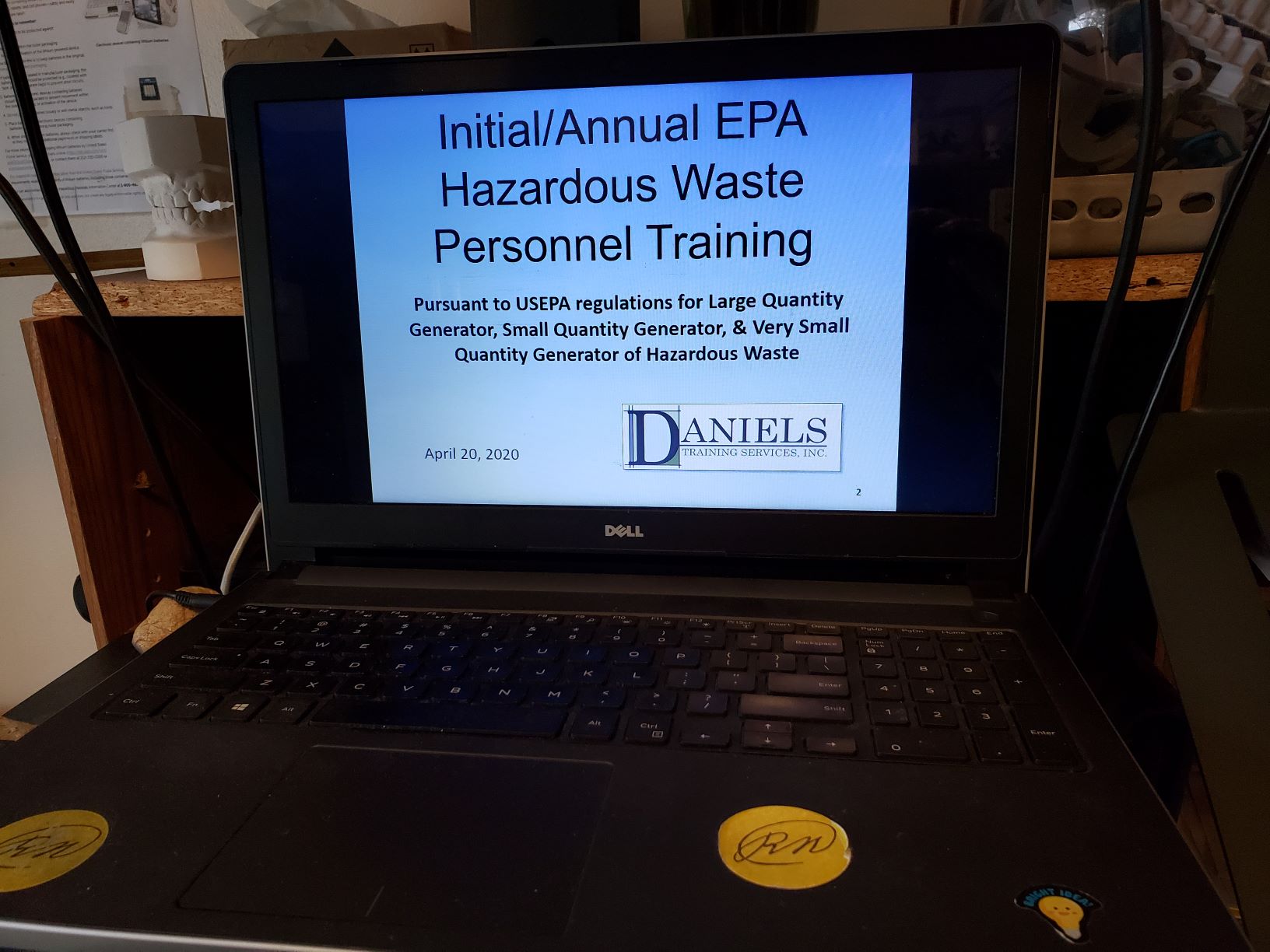
FAQs: What is webinar training?
If the applicable regulations mandate you provide training for you and/or your personnel you may wish to consider a web-based training format (webinar training) to deliver that training. Below are some frequently asked questions about my webinar training.
- Is your webinar training just a pre-recorded message?
- No. Webinar training is delivered live. You will be able to see the training presentation and hear the trainer’s (me!) voice in real time.
- Will the training content be specific to my operations and what my employees need to know?
- Yes. Webinar training can be tailored to your needs to include just the content you require. For example, if you do not ship HazMat by rail, webinar training won’t address the regulations of 49 CFR 174 – Carriage by rail.

Do you offer for transport a HazMat by rail?
- Yes. Webinar training can be tailored to your needs to include just the content you require. For example, if you do not ship HazMat by rail, webinar training won’t address the regulations of 49 CFR 174 – Carriage by rail.
- What if I or one of my personnel have a question during the webinar training?
- Trainees may ask questions and have them answered during the webinar training. Trainees may type a question directly to me or simply speak up. I can pause training, go back over critical information, clarify content, and even provide additional information that is not part of the training presentation. I also provide unlimited time at the conclusion of the webinar training for questions.
- Due to concerns about COVID-19, I am unable to gather personnel in one location.
- No problem. My webinar training platform (GotoMeeting) allows for up to 25 separate log-ins. Trainees can attend the webinar training from home or private office.
- Due to concerns about COVID-19, most personnel are working from home.
- No problem. Trainees can attend the webinar training from any location with an internet connection and a telephone. Up to 25 separate log-ins are allowed for each webinar training.
Interested in a Webinar?
- We have a widely-dispersed work-force with locations throughout the U.S.
- No problem. Trainees can attend the webinar training from anywhere in the U.S. (anywhere in the world, really). Any place that has an internet connection and phone service can be a full participant in my webinar training.
Attend the webinar training from home
- No problem. Trainees can attend the webinar training from anywhere in the U.S. (anywhere in the world, really). Any place that has an internet connection and phone service can be a full participant in my webinar training.
- If personnel attend the webinar training from home or private office, how do I ensure they are present and attentive throughout?
- Attendance and attentiveness are a challenge for any training format. My webinar training has several ways to ensure trainees actually get something of value from the time spent. This includes:
- I provide recordkeeping documents for trainees to complete and provide to the responsible person (i.e., training coordinator).
- Trainees must log-in to the webinar and display their name.
- The webinar platform (GotoMeeting) allows for video conferencing so each trainee can be seen. (This is an option).
- Training will include a test at the conclusion.
- Training may include a series of questions throughout the presentation to require trainees to engage in and interact with the content. Trainee answers to the questions are submitted to the responsible person.
- Attendance and attentiveness are a challenge for any training format. My webinar training has several ways to ensure trainees actually get something of value from the time spent. This includes:
- How many personnel can attend webinar training?
- There is no limit on the number of trainees. Cost (see below) is a flat fee and is not affected by the number of trainees.
- When can I schedule webinar training?
- Any time day or night is OK for webinar training. Webinar training may be scheduled on a Saturday, but not a Sunday. Additional fees may apply to training held outside of normal business hours.
Interested in a Webinar?
- What if some of my personnel miss the scheduled date and time of the webinar training?
- I can create a recording of the webinar training and make it available for a fee. This recording can be viewed as a movie by personnel at any time.
- May I speak directly to my personnel during the webinar?
- Yes. I am able to ‘share the mic’ with you at any point during the webinar training if you wish to speak directly to trainees.
- What if I have questions after the webinar training has concluded? Perhaps days, weeks, or months later?
- No problem. Feel free to contact me any time with questions.
- What if I require specialized training such as for lithium batteries, loading or unloading cargo tanks, filling IBCs, &etc.?
- Once you decide on site-specific webinar training I will send you a Questionnaire I have developed to gather information about your operations. I will then create a site-specific training presentation. Specialized training is part of the webinar training I provide.
- What does your webinar training cost?
- That depends on the content (see below) and delivery options (see belower). Below are cost guidelines for site-specific training delivered at a date and time of your convenience:
- Four (4) hours: $999.
- Six (6) hours: $1,249.
- Eight (8) hours: $1,749
- Twelve (12) hours: $1,999
- Sixteen (16) hours: $2,499
- Costs are lower for webinars that do not provide site-specific content, i.e., Public Webinar or Scheduled Webinar (see below).
- All webinar training costs are a flat fee. There are no additional costs for printing, travel, number of log-ins (up to 25), or number of trainees (unlimited).
- That depends on the content (see below) and delivery options (see belower). Below are cost guidelines for site-specific training delivered at a date and time of your convenience:
- What if copies of the applicable regulations are necessary for the webinar training?
- If copies of the regulations are necessary they can be purchased by the customer (I can provide purchase options) or I can provide copies to use during the webinar training for a fee.
Interested in a Webinar?
- What training content does Daniels Training Services offer?
- HazMat Employee Training required by the U.S. Department of Transportation (DOT).
- Hazardous Waste Personnel (RCRA) Training required by the U.S. Environmental Protection Agency (EPA) and states with an authorized hazardous waste program.
- IATA Dangerous Goods Training for shippers and packers of dangerous goods by air required by the International Air Transport Association (IATA).
- IMO Dangerous Goods Training for international shippers (shore-based personnel) of dangerous goods by vessel required by the International Maritime Organization (IMO).
- What are my options for webinar training?
- Public Webinar – These are regularly scheduled (1/month) webinars that meet the training requirements for either HazMat Employees or Hazardous Waste Personnel. As they are open to all they are general in content and not site specific. This is a good option for those wishing to fulfill the training requirements for themselves and/or a small number of employees at the least expense. My Public Webinar Training Schedule.
- Site-Specific Webinar – This webinar is scheduled at your convenience. I will work with you to ensure the training addresses the Federal and State regulations that impact your operations. There is no limit to the number of trainees who participate, you may even include off-site locations. This training option is the best way to receive site-specific training with the least expense and disruption to your operations.
- Scheduled Webinar – This webinar combines the best features of the Public Webinar and the Site-Specific Webinar. If you are satisfied with the content of a Public Webinar but have many people to train and/or a schedule conflict, you may wish to consider a Scheduled Webinar. This training helps you to meet the regulatory requirements for all of your employees at a time and date of your convenience. There is no limit to the number of trainees or off-site locations you may include.
- What if I have other questions?
- Contact me!
Interested in a Webinar?
Wisconsin DNR Extends Deadline for 2019 Annual Hazardous Waste Report
In response to COVID-19, the Wisconsin DNR is aware that facilities may need additional time to complete and submit their annual reports.
The 2019 hazardous waste annual report was due March 1, 2020, per ss. NR 662.041(1) Wis. Adm. Code. While this regulatory requirement does not specifically allow for extensions to this deadline, it is understood that between the delayed launch of the report and current workforce limitations due to COVID-19, facilities may need additional time to complete the report. We do encourage generators to complete and submit the report as soon as possible, to allow for the department to submit the required reporting data to the U.S. EPA in a timely fashion.
Daniels Training Services, Inc. 815.821.1550 |
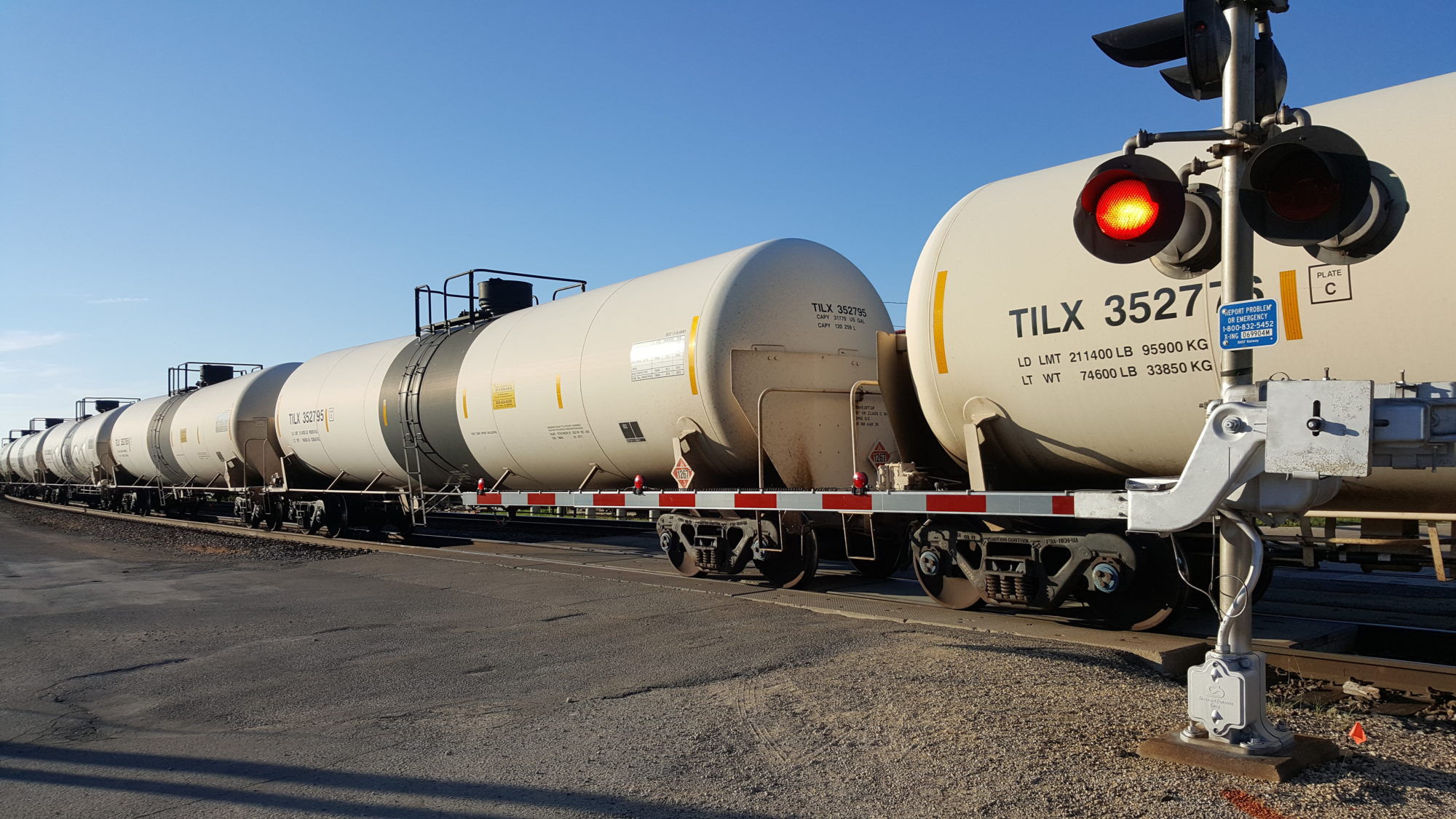
A large quantity generator of hazardous waste (LQG) must provide intial training for all hazardous waste personnel with an annual review of the inital training. I can provide this training. If Onsite Training is not possible right now, how about a webinar? Advantages to web-based training:
- Same content as my Onsite Training.
- Webinar is live, interactive, and – with your assistance – can be made site-specific.
- I provide all the necessary documents for training, testing, and recordkeeping. All documents emailed to you prior to the webinar.
- Low cost and easy to schedule.
- Up to 25 separate log-ins (no need to gather trainees in one place). Unlimited number of trainees.
Wisconsin DNR Offers Haz Waste Generators 30 Day Extension to On-Site Accumulation Time Limits due to COVID-19
In response to COVID-19, the Wisconsin Department of Natural Resources has developed an online method for requesting an extension to generator accumulation time limits.
Wisconsin’s hazardous waste regulations allow both large quantity generators (LQG) and small quantity generators (SQG) to request an accumulation (storage) time limit extension in the event of unforeseen, temporary or uncontrollable circumstances that prevent shipment of hazardous waste off-site within the 90-day time frame (LQGs) and or 180-day time frame (SQGs). An extension of up to 30 days may be granted at the discretion of the department on a case-by-case basis pursuant to s. NR 662.034(3) and NR 662.192(3), Wis. Adm. Code.
A request for an extension must be made prior to the expiration of the required time limit. Potential reasons for requesting an extension must be identified to submit a request (i.e., transporter unable to meet schedule shipping date, or scheduled facility unable to accept wastes due to facility backlog or closure). To request an extension, follow the link below to submit your information to the DNR electronically. You can also contact a regional hazardous waste specialist, or Hazardous Waste Program Coordinator Mike Ellenbecker, to submit a request directly to program staff.
2020 Hazardous Waste Storage Facility Accumulation Time Extension Request
If a 30-day extension request is granted but the hazardous waste shipment the extension was requested for cannot occur within the extended period, contact Hazardous Waste Program Coordinator Mike Ellenbecker to discuss the regulatory requirements.
Annual Hazardous Waste Personnel training for large quantity generators of hazardous waste must still be completed. Contact me to schedule a webinar during the shelter-in-place.
Daniels Training Services, Inc. 815.821.1550 |
Stated Policy / Purpose of U.S. Environmental Protection Agency – History
It’s changed over the years, but here is what I found from The United States Government Manual 1991/92:
The purpose of the Environmental Protection Agency is to “protect and enhance our environment today and for future generations to the fullest extent possible under the laws enacted by Congress. The Agency’s mission is to control and abate pollution in the areas of air, water, solid waste, pesticides, radiation, and toxic substances. Its man date is to mount an integrated, coordinated attack on environmental pollution in cooperation with State and local governments.”
Contact me with any questions you may have about the generation, identification, management, and disposal of hazardous waste Daniels Training Services, Inc. 815.821.1550 |
Q&A: Why does my truck display placards for Division 2.2 Non-Flammable Gas and not Oxygen?
Question:
Hello,
I am employed with (working to become a contract driver soon) with a company that services nursing homes with oxygen cylinders. They provide various sizes of cylinders and also provide filling of liquid oxygen for reservoirs on-site. I carry well over 1001 lbs. on my route.
My question is, why is my truck placarded non-flammable gas 2 ?????
and not oxygen 2?????
I can’t get a straight answer from my management and was curious if you could help. Also, is there training you provide online that would help me?
Thanks,
My reply:
Thank you for contacting me. Please see below.
- Oxygen as a compressed gas meets the criteria for a Division 2.2 Non-Flammable Non-Poisonous Compressed Gas.
- The Division 2.2 placard must be displayed if the vehicle carries 454 kg or more (≥1,001 lb) of HazMat.
- Per 49 CFR 172.504(f)(7) the oxygen placard may be used in place of the Division 2.2 placard. So, it is an option to display the Oxygen placard instead of the Division 2.2 Non-Flammable Gas placard.
I hope this answers your question.
Contact me with any questions you may have about the transportation of hazardous materials by air, highway, vessel, or rail International and Domestic Daniels Training Services, Inc. 815.821.1550 |
That seemed to do it:
Thanks Daniel,
So basically, either or…
There ya go.
Perfect. Now I understand.
Thanks again!
Me:
You are welcome. Glad to help. And about that training…I offer live, in-person Onsite Training and live Webinar training to meet the requirements of the USDOT for HazMat Employees.
Q&A: Are Forty 55-gallon drums on one truck considered to be bulk?
Just a quick question June 19, 2018:
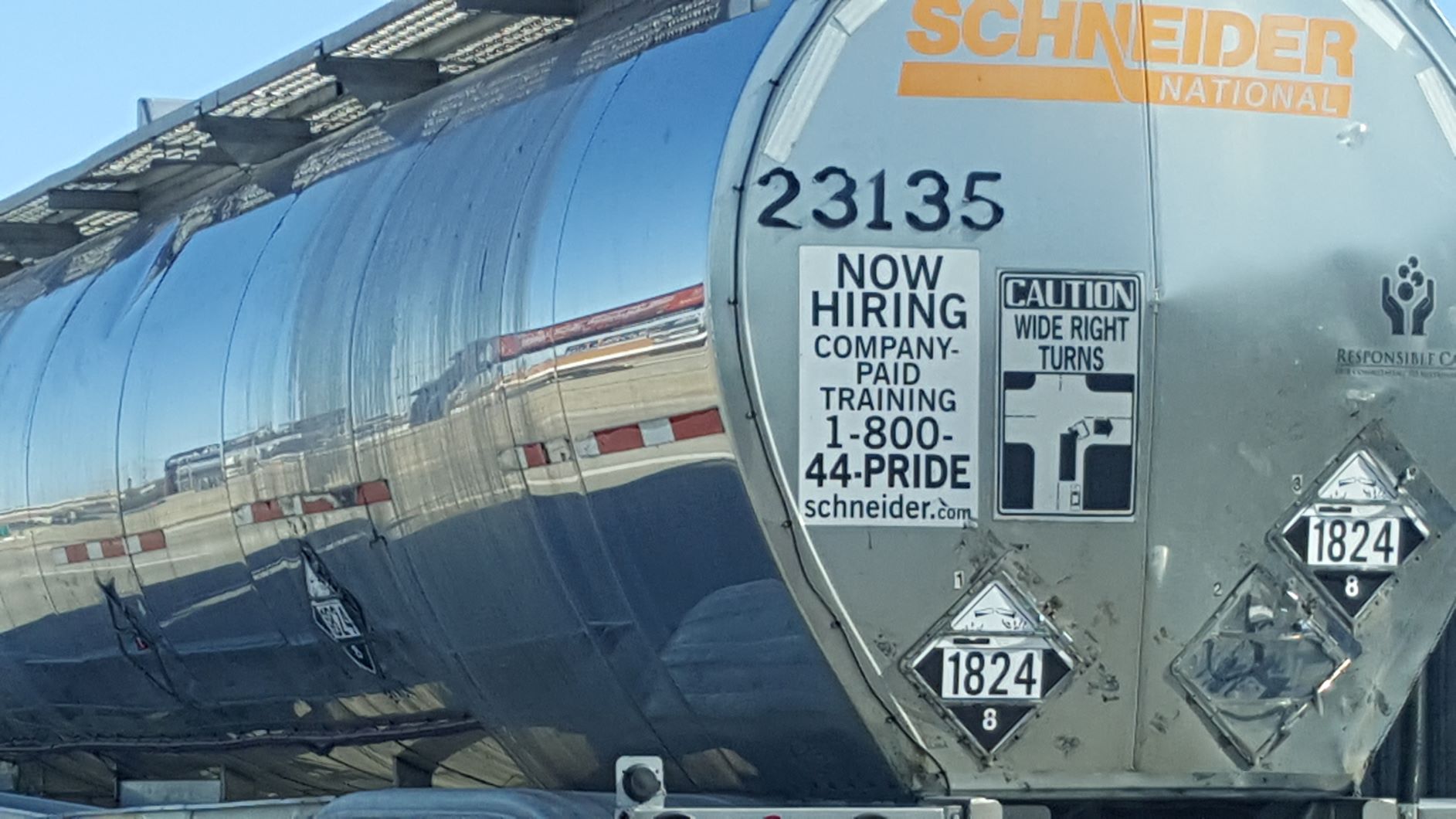
Is carrying 40 – 55 gallon drum of NaOH on a box trailer considered bulk?
Sent from my iPhone
My reply just an hour later:
No it is not.
Please see below for an explanation:
- A bulk packaging is one with a capacity of greater than 119 gallons. Read: Bulk Packaging for HazMat Explained!
- Your containers are 55 gallons each.
- The total volume of the shipment is not a factor.
- You may, however, need to display the identification number for the hazardous material on the vehicle.
Interested in site specific training at your site that covers this topic, and more! Ask me about my Onsite Training |
Her gracious reply:
Thank you. That’s what I thought but just wanted to make sure.
I wasn’t done (I have so much to share!):
You’re welcome!
You may wish to read this article I wrote indicating when it is necessary to display the identification number on a transport vehicle if it contains a large quantity of a single HazMat: Vehicle Marking Requirements for Single HazMat.
That spurred another question (06.20.18):
I read the other article you sent and it did clear up when to use numbered placards on a straight forward shipment. Other scenarios would also be helpful.
- What if you picked up a shipment carrying 11,000 lbs each of two different chemicals from one shipper? Total 22,000 lbs?
- Same scenario but you picked them up from two separate shippers?
- Another: Picked up 11,000 lbs of one chemical and 4,000 lbs of another chemical? One shipper and then two shippers?
Like this article? Subscribe to my Monthly Newsletter No marketing emails! |
My reply the next day:
I will attempt to answer your questions below.
- Scenario 1: “What if you picked up a shipment carrying 11,000 lbs each of two different chemicals from one shipper? Total 22,000 lbs?”
- Answer: In this scenario you must display the applicable placards for each HazMat unless one of the placarding exceptions at 49 CFR 172.504(f) apply. If both HazMat are in a non-bulk packaging you must not display the identification number. If either of the HazMat are in a bulk packaging you must display its identification number on or near the placard.
- Scenario 2: “Same scenario but you picked them up from two separate shippers?”
- In this scenario the vehicle would display the applicable placard and identification number for the first shipment (assuming all of the other conditions of 49 CFR 172.301(a)(3) are met). When the second shipment is picked up the placard for the second HazMat must be displayed, but not its identification number. The identification number and placard from the first shipment would continue to be displayed (this is based on a conversation with the HazMat InfoLine. It is not clear from the regulations. I could not find a letter of interpretation to confirm).
- Scenario 3: “Picked up 11,000 lbs of one chemical and 4,000 lbs of another chemical? One shipper and then two shippers?”
- If both HazMat picked up from one shipper then Scenario 1 from above will apply.
- If picked up from two separate shippers then Scenario 2 will apply.
I hope this helps. Please don’t hesitate to contact me with any other questions.
Contact me with any questions you may have about the transportation of hazardous materials by air, highway, vessel, or rail International and Domestic Daniels Training Services, Inc. 815.821.1550 |
That seemed to answer all of his/her questions.
I frequently receive questions about placarding vehicles. As you can see from this Q&A, there are many scenarios to consider and each may require a different display of placards. If you are a carrier of HazMat, make certain you display the correct placards. If you are a shipper of HazMat (i.e., you offer the HazMat to a carrier for transport), make certain you offer the correct placards to the driver.
As a shipper or a carrier, make certain all of your employees with a direct affect on the safe transport of HazMat receive initial and triennial HazMat Employee training.
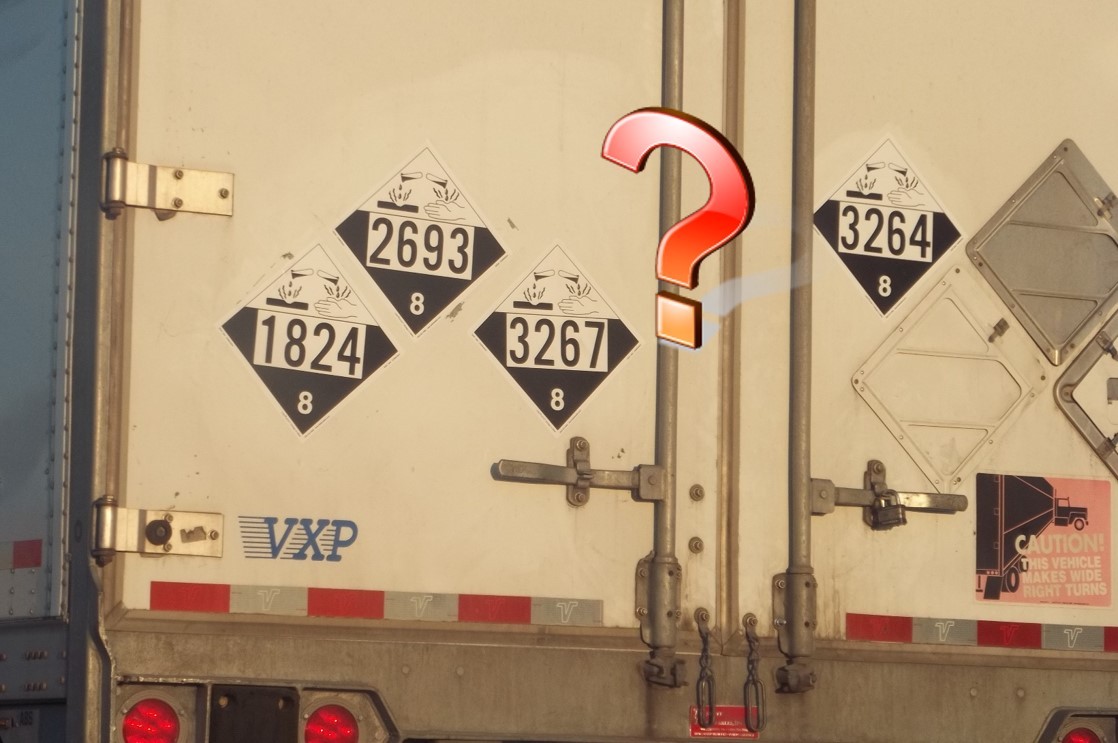
Q&A: Do I placard for a Class 3 Flammable in bulk packaging and 500 lbs of a Class 8 Corrosive in non-bulk?
A follow-up question from a occasional contact (06.13.18):
Daniel, Hope all is doing well.
I have another question that has been bothering me as well. Hoping you can share some guidance.
Say I have a shipment of UN1993 BULK(ONE TOTE BIN)
I also have a shipment of Corrosive UN1806 non-bulk weighing 500lbs.
No other hazmat on board. How would this trailer be placarded?
I, myself would say a bulk UN1993 placard and a corrosive placard.
I have had other safety officials advise that the bulk shipment is not included on the aggregate gross weight once its placarded.
Like this article? Subscribe to my Monthly Newsletter No marketing emails! |
My reply several days later:
I have an answer and it is not what I initially anticipated (I’m glad I did additional research of 49 CFR 172.504(c)). Please see below.
- When determining the placarding requirements for a vehicle there are three criteria to consider (other exceptions are available but not applicable to this scenario):
- Is it any quantity, any packaging of a HazMat identified in Table 1 at §172.504(e)? If so, placard for hazard class.
- Is it any quantity of HazMat identified in Table 2 at §172.504(e) in a bulk packaging? If so, placard for hazard class.
- Is it any single or multiple HazMat of an aggregate gross weight of 454 kg (1,001 lbs) or more ? If so, placard for each hazard class.
- The above criteria are considered independently. Therefore, the weight of a Table 2 HazMat in a bulk packaging (which requires display of the placard for its hazard class according to #2 of the above) is not counted toward the aggregate gross weight threshold indicated in #3. Similarly, the weight of a Table 1 HazMat (placards required according to #1 of the above) is not counted toward the aggregate gross weight threshold of #3.
- Separate from the regulations for the display of placards are those that require the display of the identification number on transport vehicles and freight containers. A vehicle transporting a bulk packaging (e.g., an intermediate bulk container or tote bin), must display the HazMat’s identification number unless the number is visible on the packaging during transport.
In your scenario the vehicle must display the Class 3 placard with the identification number (1993) – because it is in a bulk packaging – but not the Class 8 placard – because it’s gross aggregate weight (not counting the Class 3 tote) is <454 kg (1,001 lbs). Of, course, the driver has the option to display the Class 8 placard if they so choose.
This letter of interpretation from USDOT/PHMSA almost exactly represents your scenario: LOI 02-0043.
I hope this helps. Please don’t hesitate to contact me with any other questions.
Contact me with any questions you may have about the transportation of hazardous materials by air, highway, vessel, or rail International and Domestic Daniels Training Services, Inc. 815.821.1550 |
And that did it.
The regulations for the display of placards on a vehicle can be simple, but can become more complex when the hazardous materials transported and the types of packagings used increase. Make certain your placards are correct and are displayed properly.
FAQ: What are the Table 1 and Table 2 placarding tables?
Found at 49 CFR 172.504(e) of the USDOT/PHMSA Hazardous Materials Regulations (HMR), the placarding tables (Table 1 and Table 2) identify a distinction made by USDOT/PHMSA between the “really nasty” hazardous materials of Table 1 and the “routine” HazMat of Table 2. A HazMat’s location on one of the two tables will play a significant role in determining which – if any – placards are required to be displayed on the vehicle transporting it. The Table 1 and Table 2 placarding tables are also referenced in the following regulations of the HMR:
- The applicability of the empty packaging (with residue) exception at §173.29(c).
Daniels Training Services, Inc. 815.821.1550 |
So, what are the Table 1 and Table 2 placarding tables of 49 CFR 172.504(e)?
Table 1:
| Net quantity per package Passenger aircraft | Net quantity per package Cargo Aircraft Only | |
|---|---|---|
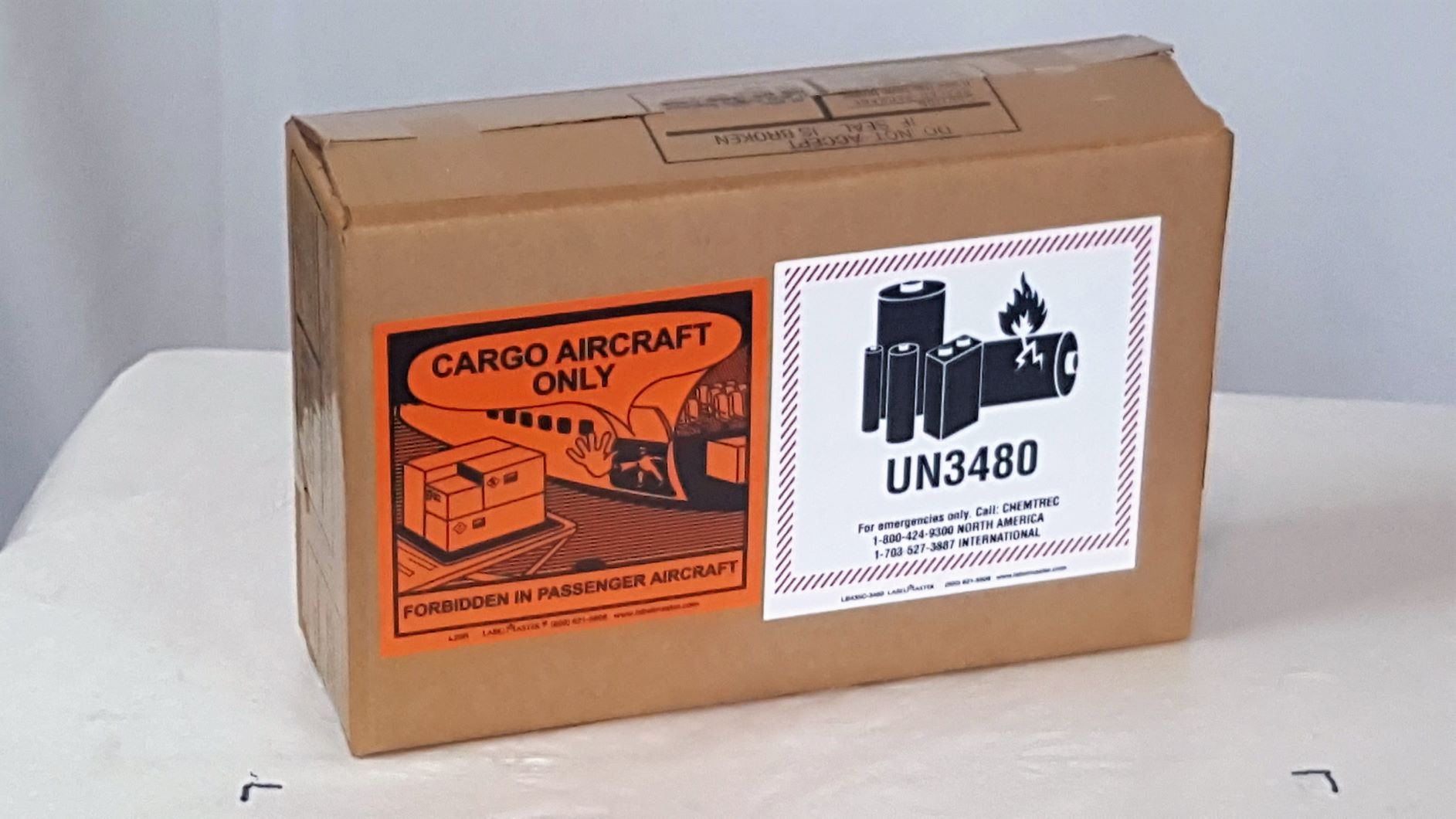
| Lithium metal cells and batteries | Forbidden | 2,5 kg |
Table 2:
| Hazardous Waste Code | Hazardous Waste (Solvent Name) | Hazard Code |
|---|---|---|
| F001 | Tetrachloroethylene | (T) |
| Trichloroethylene | (T) | |
| Methylene chloride | (T) | |
| 1,1,1-Trichloroethane | (T) | |
| Carbon tetrachloride | (T) | |
| Chlorinated fluorocarbons | (T) | |
| F002 | Tetrachloroethylene | (T) |
| Methylene chloride | (T) | |
| Trichloroethylene | (T) | |
| 1,1,1-Trichloroethane | (T) | |
| Chlorobenzene | (T) | |
| 1,1,2-Trichloro-1,2,2-trifluoroethane | (T) | |
| Ortho-dichlorobenzene | (T) | |
| Trichlorofluoromethane | (T) | |
| 1,1,2-Trichloroethane | (T) | |
| F003 | Xylene | (T) |
| Acetone | (T) | |
| Ethyl acetate | (T) | |
| Ethyl benzene | (T) | |
| Ethyl ether | (T) | |
| Methyl isobutyl ketone | (T) | |
| n-butyl alcohol | (T) | |
| Cyclohexanone | (T) | |
| Methanol | (T) | |
| F004 | Cresols & cresylic acid | (T) |
| Nitrobenzene | (T) | |
| F005 | Toluene | (T) |
| Methyl ethyl ketone | (T) | |
| Carbon disulfide | (T) | |
| Isobutanol | (T) | |
| Pyridine | (T) | |
| Benzene | (T) | |
| 2-Ethoxyethanol | (T) | |
| 2-Nitropropane | (T) |
Q&A: Are my LEDs a universal waste?
A question from a frequent customer of mine (06.19.18):
Hi Daniel.
I have a question regarding Universal Waste Lamps that I’m wondering if you have an experience with, and that is light-emitting diodes or LED bulbs. From the reading I have done, it sounds like the EPA wants me to run a TCLP on a bulb to see if it is hazardous, before determining if it can be handled as a Universal Waste lamp.
Would you agree with that assessment or have any input on the subject from your experience?
Thanks for your help.
Contact me with any questions you may have about the generation, identification, management, and disposal of hazardous waste Daniels Training Services, Inc. 815.821.1550 |
My reply that same day:
Thank you for contacting me. I will answer your question below.
- You are correct that the universal waste regulations are an option to managing a waste as a hazardous waste. Therefore, in order to be a universal waste it must first meet the definition of a hazardous waste.
- USEPA (and state) regulations allow for the generator of a waste to determine if it is a hazardous waste based either on generator knowledge (no testing but other forms of information) or analysis of a representative sample by a lab using the approved test methods. Either method is acceptable. Read: The Hazardous Waste Determination
- the Toxicity Characteristic Leachate Procedure (TCLP) is an analytical method used to determine the leachable concentration of toxins in a representative sample of a waste.
- In the case of a manufactured article like an LED bulb it is highly unlikely it will be possible to collect a representative sample. Therefore, analysis may not be possible.
- Instead, I suggest you refer to the Safety Data Sheet or technical data sheet or some other manufacturer information for the bulb. It may indicate that the LED is a hazardous waste.
- USEPA regulations at 40 CFR 273.9 define a lamp as:
Lamp, also referred to as “universal waste lamp” is defined as the bulb or tube portion of an electric lighting device. A lamp is specifically designed to produce radiant energy, most often in the ultraviolet, visible, and infra-red regions of the electromagnetic spectrum. Examples of common universal waste electric lamps include, but are not limited to, fluorescent, high intensity discharge, neon, mercury vapor, high pressure sodium, and metal halide lamps.
- Though not cited in the, “…include, but are not limited to,…” it is reasonable to think an LED is included in the definition of a universal waste lamp.
My suggestion: Manage your LED bulbs as a universal waste. Base the determination on generator knowledge. Analysis is not required. Maintain documentation of your determination.
I hope this helps. Please contact me with any other questions.
And that did it!
With technology changing as fast as it does, there may be another type of lamp or bulb in use by the time you read this article. USEPA defines a universal waste lamp broadly enough, “…include but are not limited to,…” to include pretty much any bulb or tube, “designed to produce radiant energy,…” I will add that I have never had experience with a generator being told they can’t manage a type of lamp – even incandescent – as a universal waste. I have had experience with generators facing real penalties for not providing the required initial and annual training for their hazardous waste personnel.