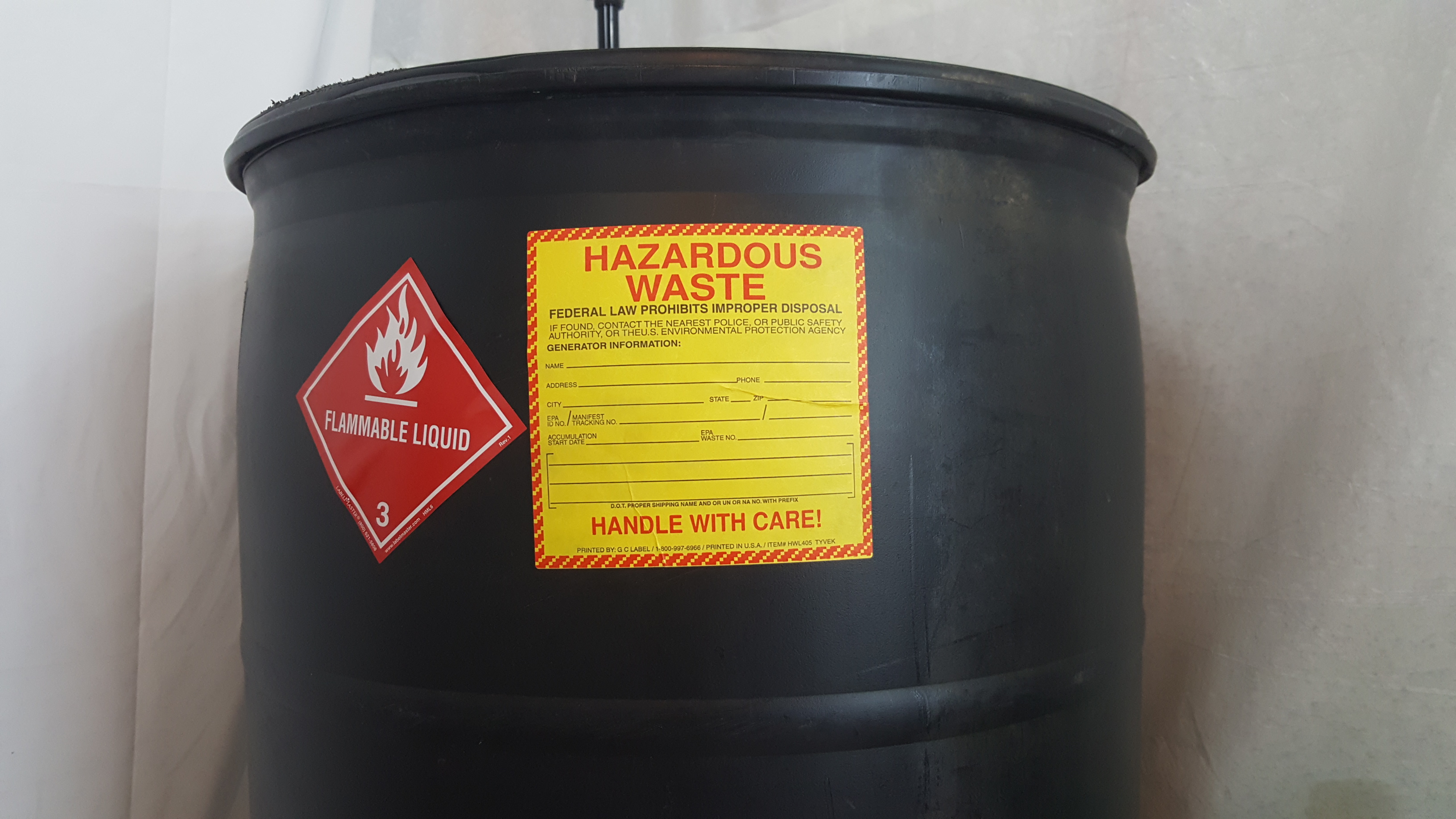
Applicability of the Hazardous Materials Regulations

All regulations begin with a law and the Hazardous Material Regulations (HMR) of the PHMSA/USDOT is no exception.  The Federal hazardous materials transportation law (49 USC 5101 et seq.) directs the Secretary of Transportation to establish regulations for the safe and secure transportation of HazMat in commerce, as the Secretary considers appropriate.  The applicability of the HMR (to whom and to what materials it applies and when) is defined by regulation at 49 CFR 171.1 and explained in this article. Read the rest of this entry »

Tags:

Paint and Paint Related Waste (PPRW) as a Universal Waste in Texas

The Universal Waste regulations of the USEPA (40 CFR 273) identify the following as potential hazardous wastes that may be managed as a Universal Waste:

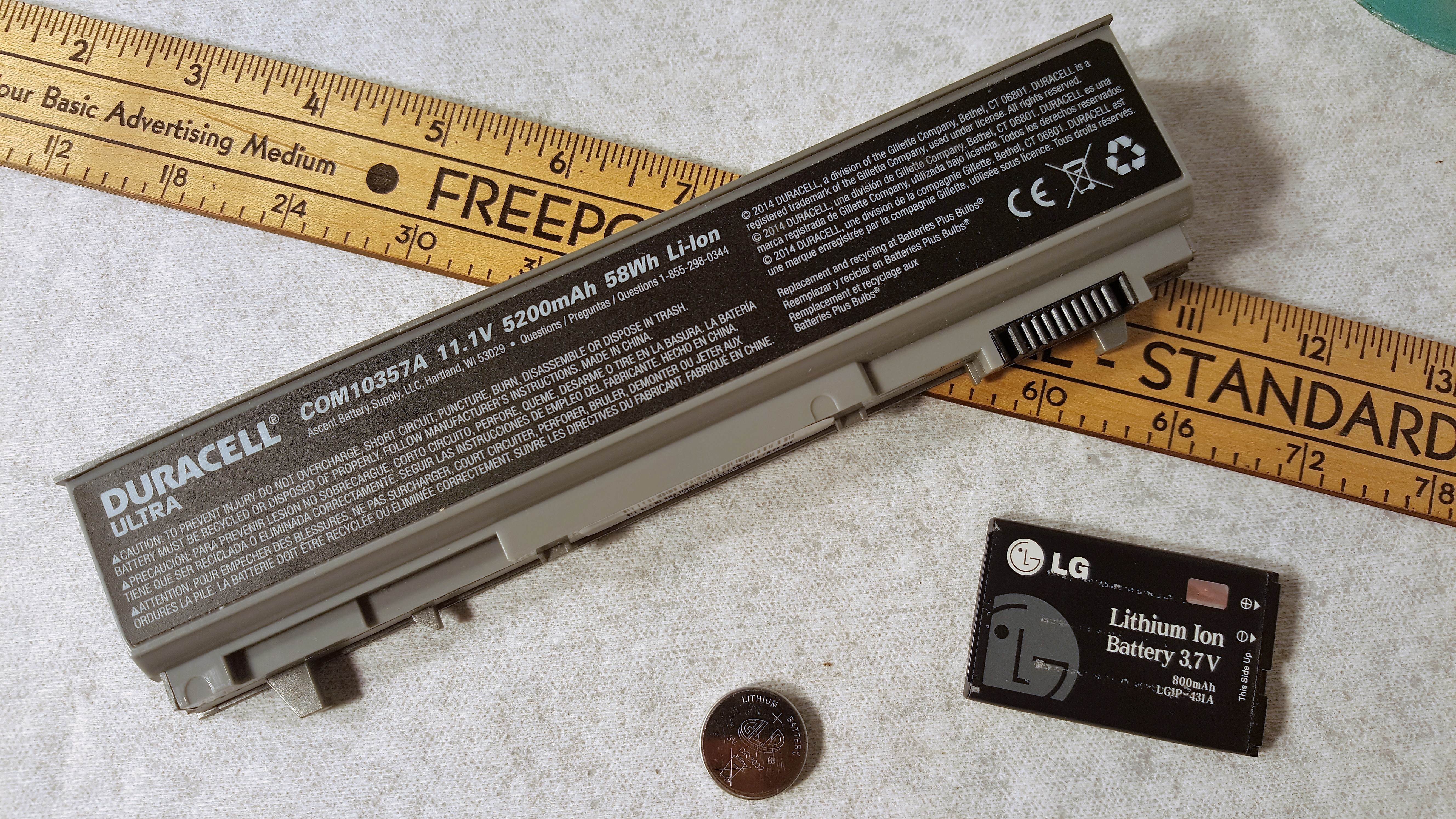
  • Batteries
  • Lamps
  • Mercury-containing devices
  • Recalled or cancelled pesticides

As authorized under Subchapter G of Part 273, the Texas Commission on Environmental Quality (TCEQ) has successfully petitioned the USEPA to add the category of Paint and Paint-Related Waste (PPRW) to the four Federal Universal Waste already recognized in Texas.  The regulations explaining TCEQ’s Universal Waste Rule may be found at 30 TAC 335.261 & 335.262. Read the rest of this entry »

Tags: ,

PHMSA reduces the Annual HazMat Shipper/Carrier Registration Fees for 2013

The USDOT’s Pipeline and Hazardous Materials Safety Administration (PHMSA) requires carriers and shippers of certain hazardous materials to annually register and pay a fee (read all about it here).  The fees collected are added to the Hazardous Materials Emergency Preparedness (HMEP) Fund which is used to provide funds for grants distributed to states and Indian tribes for hazardous materials emergency response planning and training and to certain professional organizations for training purposes through the Hazardous Materials Grants Program.  So, it may help you to know that the fees you pay are helping to make communities safer!  And if that doesn’t do it for you, then you should at least be pleased that the fees are being reduced for 2013/2014. Read the rest of this entry »

Tags: ,

General Placarding Requirements

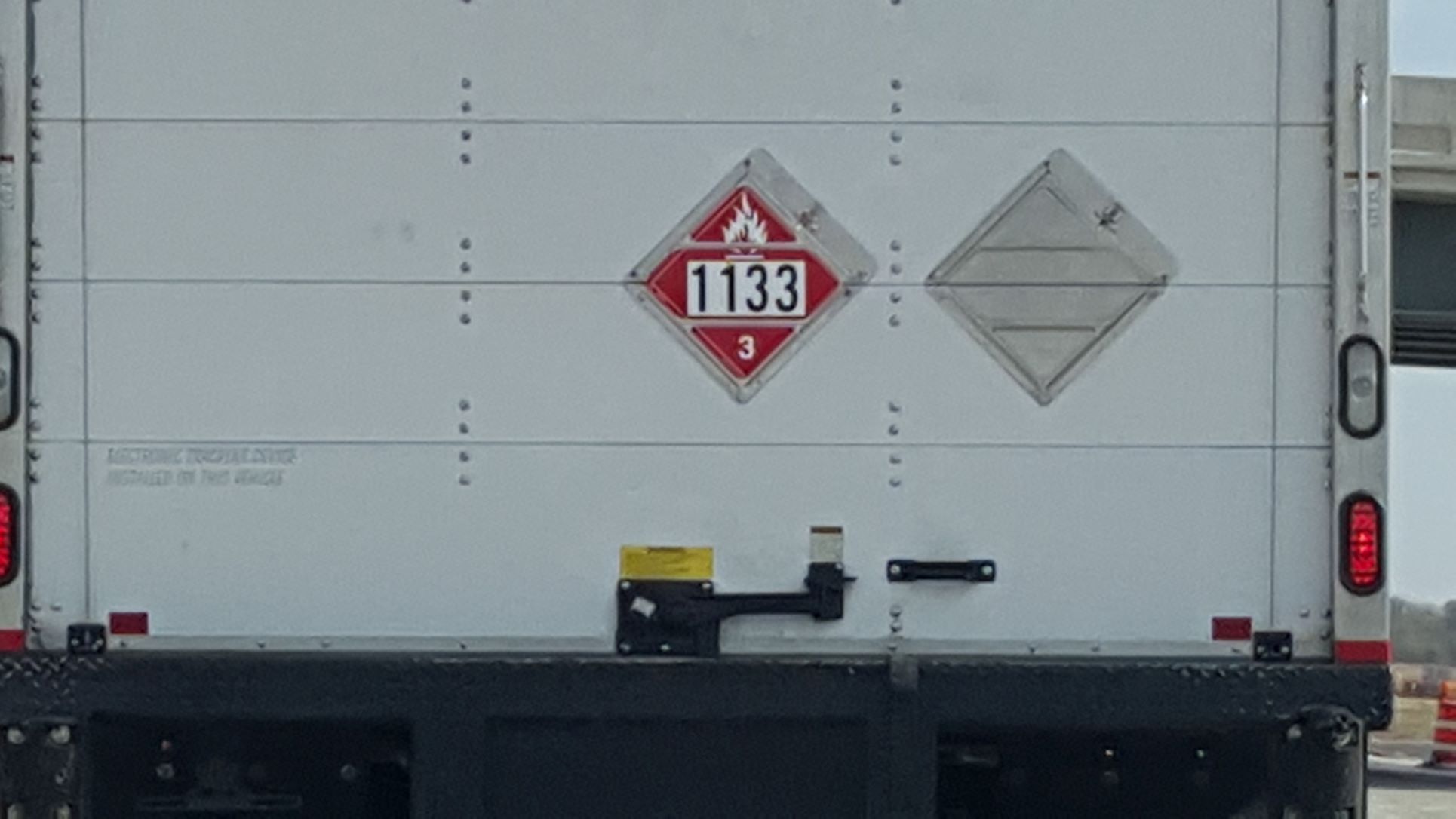
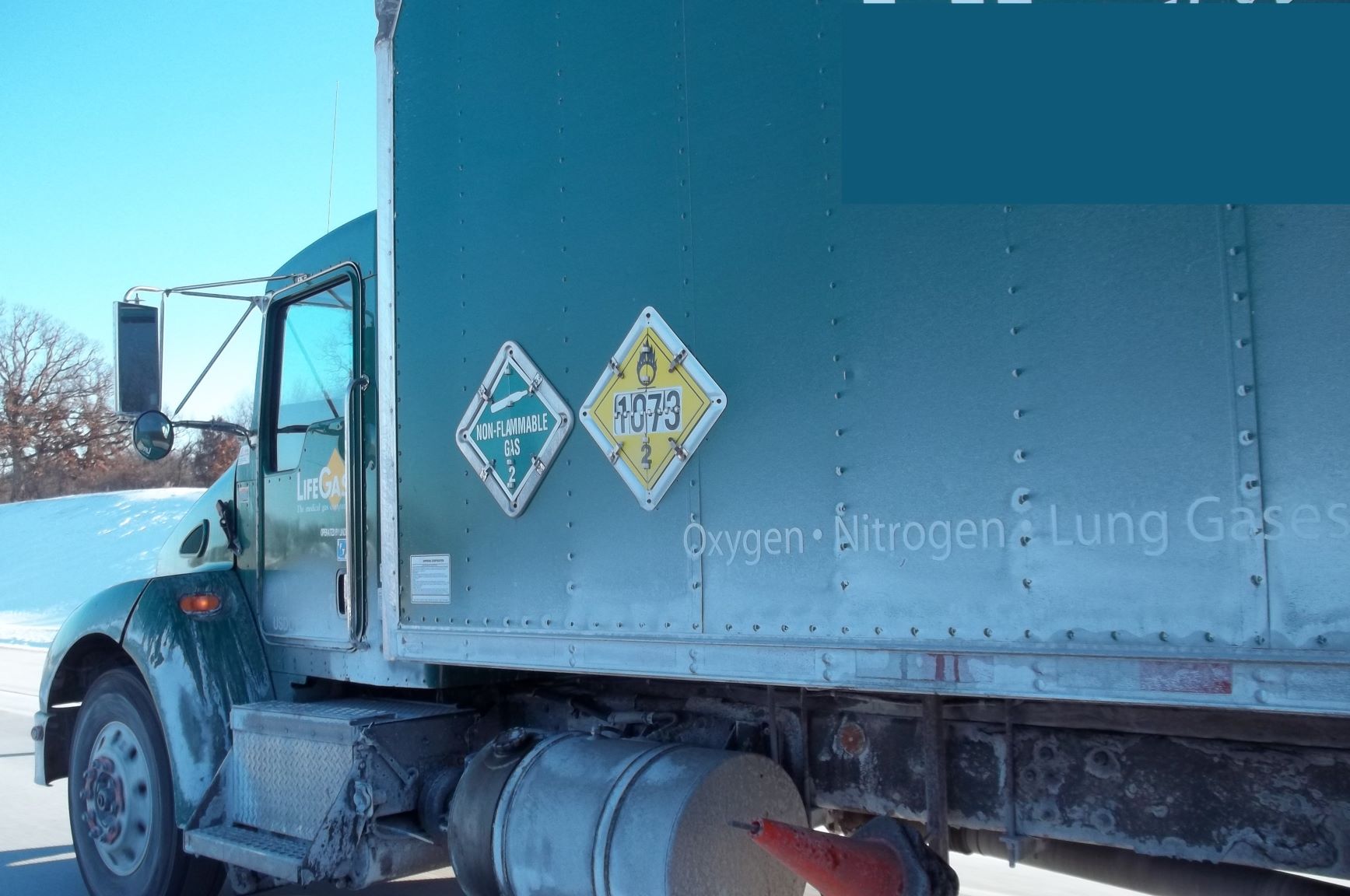
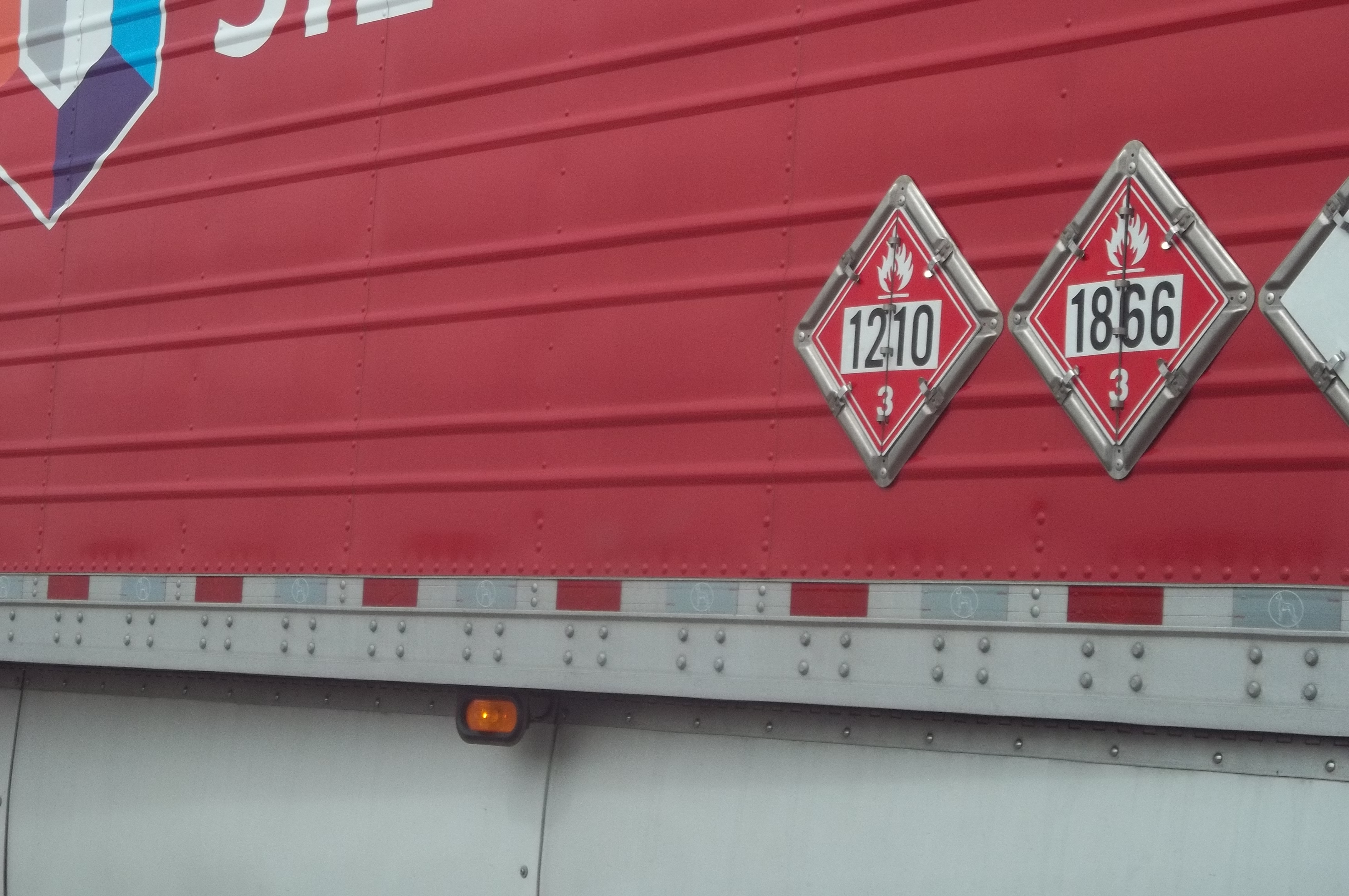
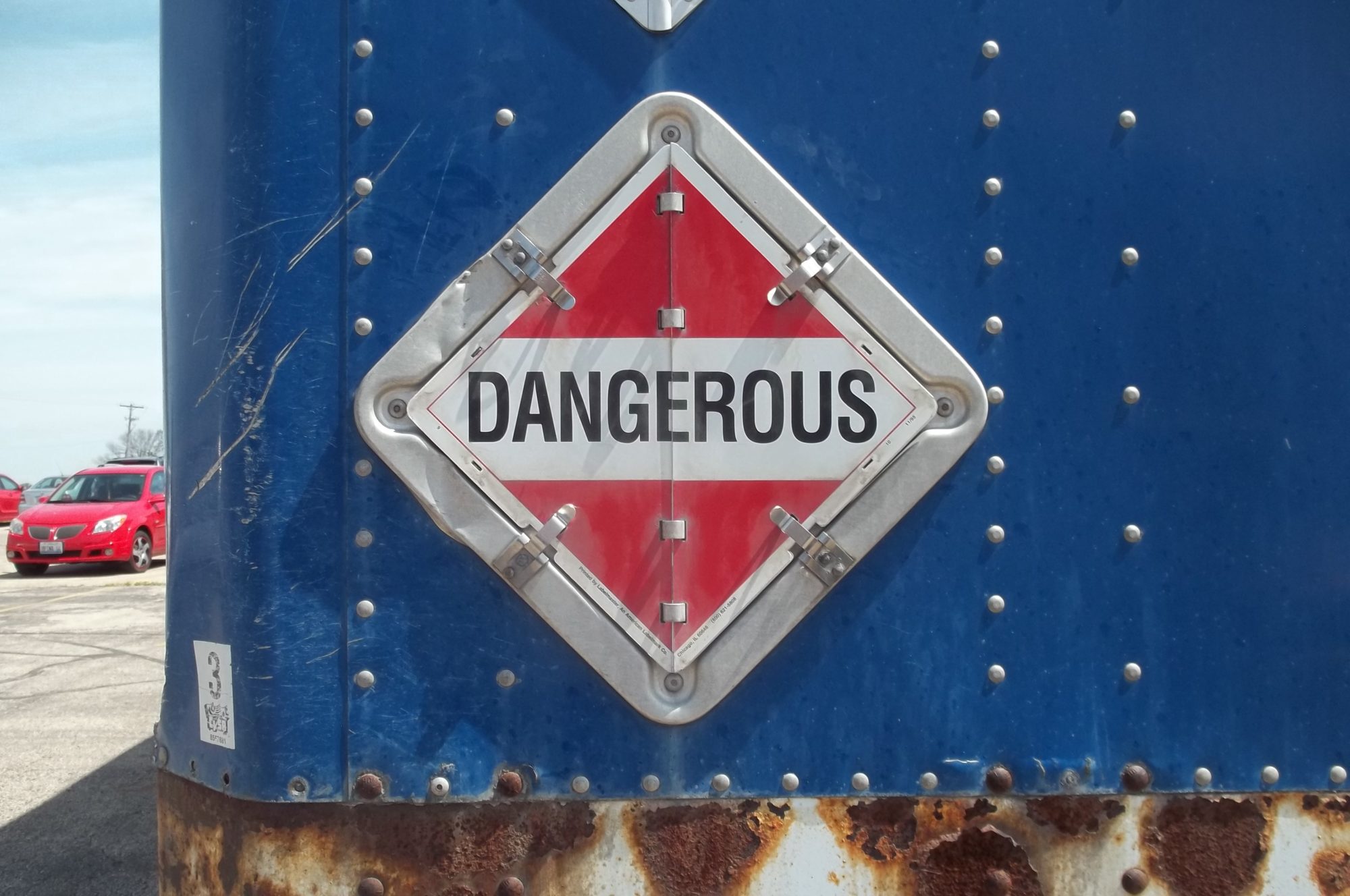
49 CFR 172.504 – General Placarding Requirements contains the applicability, scope, and general requirements for the use of placards when transporting a hazardous material.  §172.504(a) identifies the five (5) types of packagings and modes of transportation that will require placards, unless excepted.  A closer look at these five defined terms is important since packagings and methods of transportation not included in §172.504(a) will not require a placard. Read the rest of this entry »

Tags: , , , , ,

Hazardous Waste Generator Recordkeeping Requirements for Manifests

40 CFR 262.20(a)(1) mandates the use of a manifest (EPA form 8700-22) for a generator who transports or offers for transport a hazardous waste for offsite treatment, storage, or disposal.  §262.40(a) requires a generator to keep a copy of the signed manifest as a record for three (3) years. Read the rest of this entry »

Tags: , ,

Owner of Colorado Aircraft Painting Company Pleads Guilty to Unlawfully Treating Hazardous Waste

On March 12, 2013, NORMAN TELTOW, owner of Gold Metal Paint Co. LLC (GMP), pleaded guilty in federal district court in Denver to a criminal information charging him with illegally treating hazardous waste at the company’s facility.  Teltow, who will be sentenced on June 10, 2013, faces a maximum sentence of five years in prison, a $250,000 fine, and three years of supervised release.

Teltow operated GMP out of a hangar near the Front Range Airport in Watkins, Colo. GMP was primarily in the business of painting small aircraft.  During the course of its business, GMP created hazardous waste in the form of spent methylene chloride-based solvents mixed with paint waste.  Methylene chloride, a listed hazardous waste, is both ignitable and toxic. Moreover, exposure to methylene chloride can cause skin irritation, headache, dizziness, nausea, and vomiting.  Under the Resource Conservation and Recovery Act, GMP was required to use a licensed waste management company to transport the hazardous waste to a licensed facility for disposal.  To avoid the costs associated with proper disposal, Teltow directed GMP employees to store the spent solvents in an underground tank below the facility, knowing that it was illegal to store the waste in that manner.

When the Colorado Department of Public Health and Environment (CDPHE) became aware that Teltow and GMP were storing hazardous waste in an underground tank, the agency conducted an inspection and ordered Teltow to hire a licensed waste management company to pump the waste out of the tank and dispose of it properly. CDPHE further ordered that the tank be cleaned, that the trench drain leading to the underground tank be sealed, and that GMP use a licensed waste management company to transport all hazardous waste in the future.  In response to CDPHE’s orders, Teltow hired a licensed waste management company to pump out the tank, and sealed off the trench drain to the underground tank. However, rather than hire a licensed waste management company to clean out the tank, Teltow ordered subordinate employees to clean out the tank without the benefit of any personal protective equipment.  The employees were exposed to hazardous waste containing methylene chloride, and suffered from headaches, dizziness, and nausea.

Teltow then devised a new plan for treating GMP’s hazardous waste by “evaporating” it into the atmosphere.  Teltow ordered subordinate GMP employees to pour the hazardous waste onto the floor of the hangar at the end of the work day.  Workers would then leave the hangar doors ajar and allow the methylene-chloride waste to  evaporate.  Teltow knew that it was illegal to treat the hazardous waste in this manner.  When Teltow’s “evaporation” method was unsuccessful at treating all of the waste that GMP accumulated, Teltow drilled open the trench drain so that the waste could again flow into the underground tank.

The investigation was conducted by EPA’s Criminal Investigation Division, with assistance from inspectors at the Occupational Safety and Health Administration and CDPHE.  The case was prosecuted by James B. Nelson of the Department of Justice’s Environmental Crimes Section.

A generator of any waste is required to determine if it is a hazardous waste by conducting a Hazardous Waste Determination.  Hazardous waste must then be managed and disposed of according to the RCRA regulations based on your hazardous waste generator status.  The on-site treatment of hazardous waste, even a listed hazardous waste, is allowed, as long as it is done properly and in compliance with the regulations.  Four hours of hazardous waste training along with four more hours of HazMat Employee training required by the USDOT will give you the knowledge and the tools to ensure compliance at your facility.

Tags:

40 CFR 265.34 – Access to Communications or Alarm System

In the previous article of this series I described the requirements of 40 CFR 265.33 – Testing & Maintenance of Equipment.  That section of Part 265 specified what was required of a large quantity generator (LQG) or a small quantity generator (SQG) of hazardous waste to assure the proper operation of its required emergency equipment.  This article will research and explain the next section of Part 265, that of 40 CFR 265.34 – Testing and Maintenance of Equipment.  The purpose of this article is to better understand §265.34 and how an LQG or SQG must provide immediate access to communication or alarm systems. Read the rest of this entry »

Tags: ,

Michigan Computer Company Owner Sentenced for International Environmental, Counterfeiting Crimes

From the USEPA Office of Criminal Enforcement, Forensics, and Training

Environmental Crimes Case Bulletin for March 2013

On March 25, 2013, MARK JEFFREY GLOVER was sentenced in federal district court for the Eastern District of Michigan to 30 months in prison and a $10,000 fine.  His company, DISCOUNT COMPUTERS, INC. (DCI), was fined 2 million dollars, including $10,839 in restitution to Michigan landlord, for trafficking in counterfeit goods and services.  DCI was also sentenced for storing and disposing of hazardous waste without a permit.  Glover pleaded guilty to the charges on his behalf and that of his company in October 2012.
DCI, headquartered in Canton, Michigan, with warehouses in Maryland Heights, Mo., and Dayton, N.J., operated as a broker of used electronic components, including computers and televisions.  DCI resold working and disassembled broken items, selling them for scrap. A large part of DCI’s business involved exporting used cathode ray tube (CRT) monitors to countries in the Middle East and Asia.  Egypt prohibits the importation of computer equipment more than five years old.  To evade this, all three DCI locations replaced the original factory labels on used CRT monitors with counterfeit labels, which reflected a more recent manufacture date.  Over a five-year period, DCI sent at least 300 shipments to Egypt, with a total shipment value of at least $2.1 million, constituting more than 100,000 used CRTs monitors.  Under federal law it is illegal to knowingly use a counterfeit mark on or in connection with goods and services for the purpose of deceit or confusion.

It is also illegal to store and dispose of hazardous waste, which includes certain electronic waste, or e-waste, without a permit.  Glass from older CRT monitors is known to contain levels of lead, a known toxic hazardous waste. When deposited in landfills, the lead can leach out and contaminate drinking water supplies.  These CRT monitors are required to be disposed of as hazardous waste under the Resource Conservation and Recovery Act.  By exporting older CRTs with fraudulent manufacture dates, Mark Jeffrey Glover sent a large quantity of older e-waste overseas, thus subjecting it to improper recycling, increasing the potential for environmental and human exposure to hazardous materials.

E-waste disposal is a global concern.  Used electronic equipment contains more than 1,000 different substances, including toxic heavy metals and organics that, if disposed of improperly, can cause significant pollution problems.  Improper e-waste disposal is common in third world and developing countries because they are ill equipped to conduct safe, appropriate recycling, refurbishing, and disposal.  It is also common in these countries to find black-market recycling groups that extract valuable metals from e-waste without regard for the safety of their impoverished employees who are exposed directly to toxic materials.

This case was investigated by EPA’s Criminal Investigation Division and U.S. Department of Homeland Security–Homeland Security Investigations, Detroit. It was prosecuted by the U.S. Attorney’s Office in the Eastern District of Michigan by Assistant U.S. Attorney Jennifer Blackwell.

Is your e-waste and e-scrap being handled and disposed of properly?  Have you performed an audit of your e-waste recycling company?  Do you know their status?  It is important to be aware that even commonplace items like a computer can be a hazardous waste if not recycled properly.  Proper training for you and your employees will help to raise awareness of this and other regulatory concerns of hazardous waste generators.

Tags:

New York Coke Maker and Environmental Control Manager Convicted of CAA and RCRA Crimes

From the USEPA Office of Criminal Enforcement, Forensics, and Training

Environmental Crimes Case Bulletin for March 2013

On March 28, 2013, TONAWANDA COKE CORPORATION (TCC) was convicted by a federal jury in federal district court for the Western District of New York of 11 counts of violating the Clean Air Act and three counts of violating the Resource Conservation and Recovery Act.  In addition, Tonawanda Coke Environmental Control Manager, MARK L. KAMHOLZ, of West Seneca, N.Y., was found guilty of 11 counts of violating the Clean Air Act, one count of obstruction of justice and three counts of violating the Resource Conservation and Recovery Act.  The charges carry a maximum combined penalty up to 75 years in prison and fines in excess of $200 million.  Sentencing is scheduled for July 15, 2013.

The offenses related to the release of coke oven gas containing benzene into the air through an unreported pressure relief valve. In addition, a coke-quenching tower was operated without baffles, a pollution control device required by TCC’s Title V Clean Air Act permit designed to reduce the particulate matter that is released into the air during coke quenches.  In addition, prior to an inspection conducted by EPA in April of 2009, Kamholz told another TCC employee to conceal the fact that the unreported pressure relief valve, during normal operations, emitted coke oven gas directly into the air, in violation of the TCC’s operating permit. The defendants also stored, treated and disposed of hazardous waste without a permit to do so, in violation of the Resource Conservation and Recovery Act. These offenses related to TCC’s practice of mixing its coal tar sludge, a listed hazardous waste that is toxic for benzene, on the ground in violation of hazardous waste regulations.  The case was investigated by EPA’s Criminal Investigation Division and investigators of the New York State Department of Environmental Conservation Police.

Tags:

The Four Hazard Communication Methods of the Hazardous Material Regulations

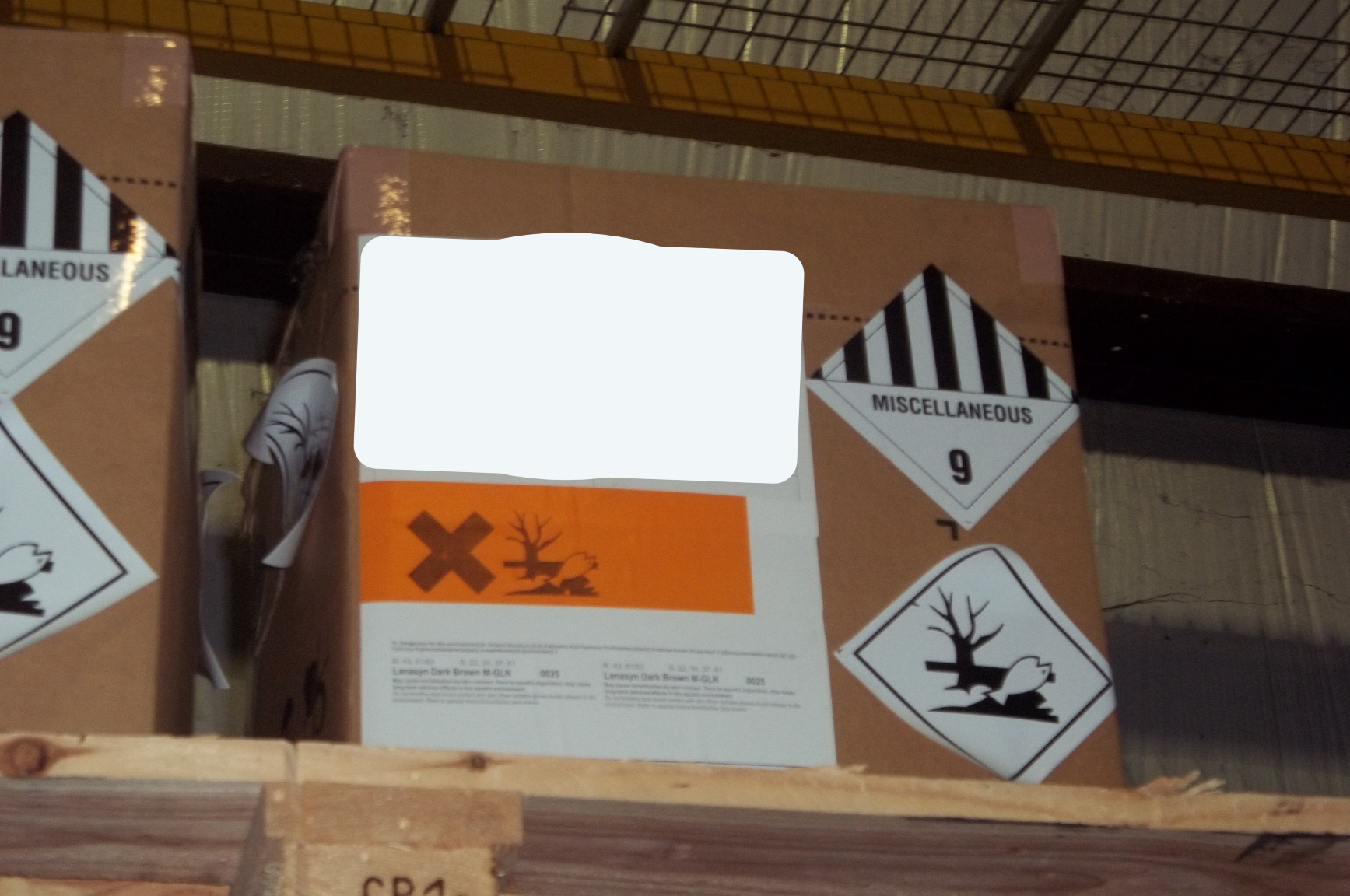
The Hazardous Material Regulations (HMR) of the PHMSA/USDOT require the use of the four (4) hazard communication methods whenever a hazardous material is transported in commerce.   Its purpose:  to communicate the potential hazards of a material to anyone who may come into contact with it while it’s in transportation.  It does this by utilizing a variety of symbols, numbers, colors, and text.  This article will take a closer look at each of the Four Hazard Communication Methods:

  • Shipping papers
  • Placards
  • HazMat labels
  • Markings

Read the rest of this entry »

Tags: