PO Box 1232 Freeport, IL 61032

A Different Kind Of Training

A Different Kind Of Training

A Different Kind Of Training

California Paint Stewardship Program

The Bullet:

California’s Paint Stewardship Law requires the paint manufacturing industry to develop a financially sustainable and environmentally responsible program to manage post consumer architectural paint.  The program includes setting up convenient recycling locations throughout California where people and business can bring unused paint.

Who:
  • Paint manufacturers created PaintCare, a non-profit organization, to operate the paint stewardship program in California.
  • People bringing paint from their homes can bring as much latex or oil-based paint as the site is willing to accept.
  • Businesses (painting contractors and others) can use this program with the following restrictions:
    •  Any amount of latex paint the site is willing to accept.
    • Oil-based  paint is acceptable only from a business that generates no more than 100 kg (220 lb or about 20-30 gallons) of RCRA-hazardous waste per month.

Daniels Training Services, Inc.

815.821.1550

Info@DanielsTraining.com

https://danielstraining.com/

What:

PaintCare Products (accepted for free at drop-off sites):

  • Interior and exterior architectural paints: latex, acrylic, water-based, alkyd, oil-based, enamel (including textured coatings).
  • Deck coatings, floor paints (including elastomeric).
  • Primers, sealers, undercoaters.
  • Stains
  • Shellacs, lacquers, varnishes, urethanes (single component).
  • Waterproofing concrete/masonry/wood sealers and repellents (not tar or bitumen-based)
  • Metal coatings, rust preventatives.
  • Field and lawn paints.

Non-PaintCare Products (not accepted):

  • Leaking, unlabeled, and empty containers.
  • Containers of more than 5 gallons.
  • Paint thinners, mineral spirits, solvents.
  • Aerosol paints (spray cans).
    • These may be managed as a universal waste in California.
  • Auto and marine paints.
  • Art and craft paints.
  • Caulk, epoxies, glues, adhesives.
  • Paint additives, colorants, tints, resins.
  • Wood preservatives (containing pesticiedes)
  • Roof patch and repair.
  • Asphalt, tar, and bitumen-based products.
  • 2-component coatings.
  • Deck cleaners.
  • Traffic and road marking paints.
  • Industrial Maintenance (IM) coatings.
  • Original Equipment Manufacturer (OEM)(shop application) paints and finishes.
Where:

To find your nearest drop-off site, use PaintCare’s search tool at www.paintcare.org or call its hotline at 855.724.6809.

When:

No time restrictions.

Why:

PaintCare will ensure the unused paint is remixed into recycled paint, used as a fuel, made into other products or properly disposed.

Daniels Training Services, Inc.

815.821.1550

Info@DanielsTraining.com

https://danielstraining.com/

How:

Consumers pay fees for PaintCare Products at the time of purchase.  The fees are used to fund the collection and recycling of paint and the remainder of the Paint Stewardship Program in California.

Conclusion:

California is one of only eight states with a Paint Stewardship Program.  I encourage any person or business to take advantage of this free program.

Shipping Hand Sanitizer During the COVID-19 Public Health Emergency

Introduction:

As of this writing (04.06.20) the expanding COVID-19 pandemic in the U.S. has made the regulations pertaining to the transportation of hand sanitizer of special interest.  If you are involved in the transport of this hazardous material (HazMat), then you must comply with the Hazardous Materials Regulations (HMR) of the Pipeline and Hazardous Materials Safety Administration within the U.S. Department of Transportation (USDOT/PHMSA).

Virus Image COVID-19
Photo by Martin Sanchez on Unsplash

The purpose of this article is to identify and explain the applicable regulations of USDOT/PHMSA for the classification, packaging, hazard communication, and transport of Hand Sanitizer within the U.S.

(more…)

FAQ: How does USDOT/PHMSA classify a hazardous waste?

Hazardous waste is defined at 49 CFR 171.8 of the Hazardous Materials Regulations (HMR) of USDOT/PHMSA as follows:

Hazardous waste, for the purposes of this chapter, means any material that is subject to the Hazardous Waste Manifest Requirements of the U.S. Environmental Protection Agency specified in 40 CFR part 262.

Contact me with any questions you may have about the generation, identification, management, and disposal of hazardous waste

Daniels Training Services, Inc.

815.821.1550

Info@DanielsTraining.com

https://danielstraining.com/

So, to understand USDOT/PHMSA’s definition of a hazardous waste we must refer to the regulations of the USEPA.  The regulations of the USEPA at 40 CFR 262, subpart B describe the Manifest Requirements applicable to Small and Large Quantity Generators.  This means only the following hazardous waste generator categories are subject to the requirements of 40 CFR 262, subpart B for the uniform hazardous waste manifest:

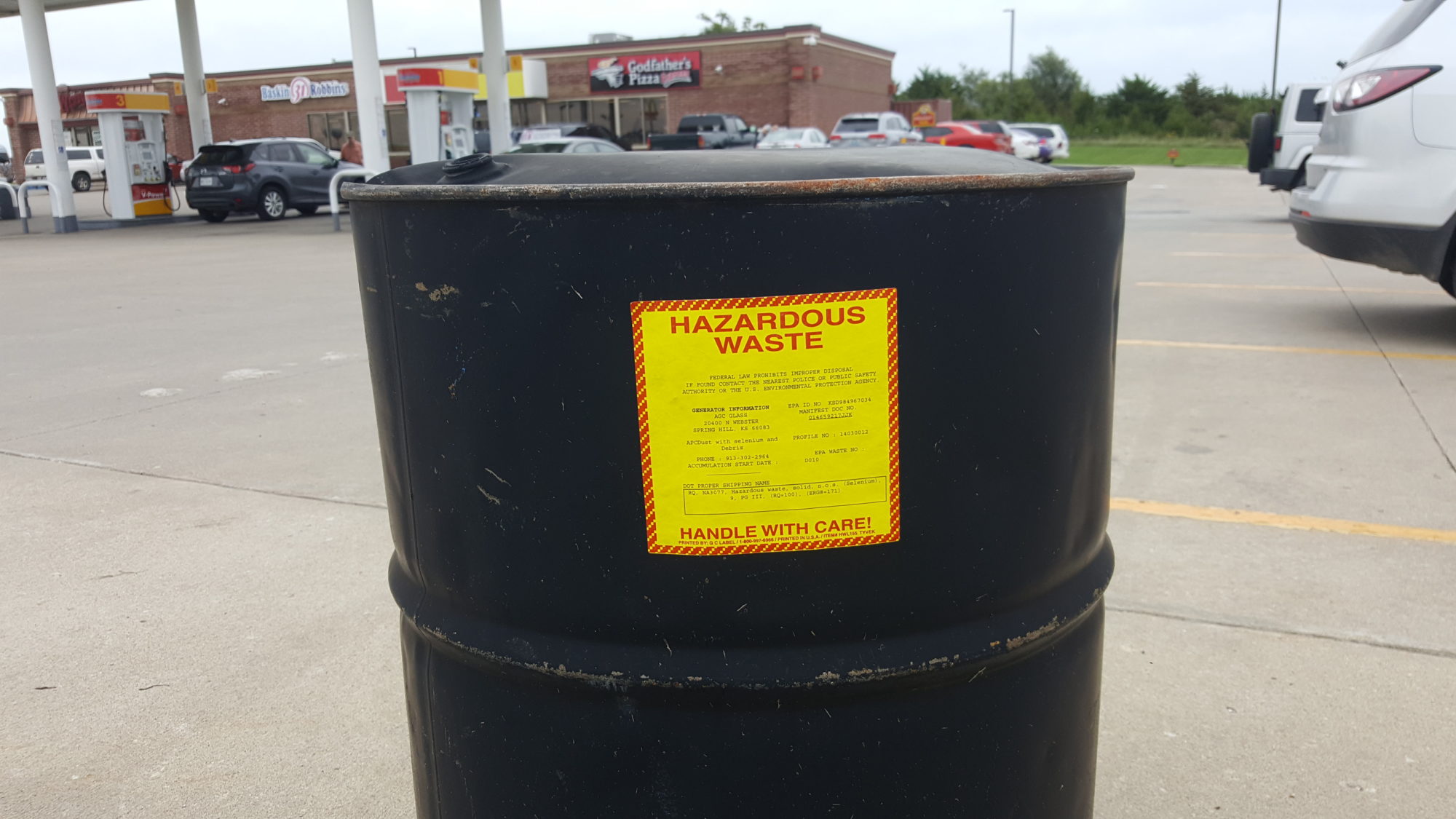
  • Large quantity generator of hazardous waste (LQG)drum of hazardous waste in gas station parking lot
  • Small quantity generator of hazardous waste (SQG)

Not included in these regulations, i.e., not subject to the Hazardous Waste Manifest Requirements of the USEPA at 40 CFR 262, subpart B, is the following hazardous waste generator category:

  • Very small quantity generator of hazardous waste (VSQG).  Formerly known as the conditionally exempt small quantity generator of hazardous waste (CESQG).

The factors for determination of hazardous waste generator categories are summarized below:

  • Large quantity generator:
    • Generate ≥1,000 kg (2,200 lb) of hazardous waste in calendar month.

Or…

    • Generate >1 kg (2.2 lb) acute hazardous waste or >100 kg (220 lb) acute hazardous waste spill residue in a calendar month.
  • Small quantity generator:
    • Generate >100 kg (220 lb) but <1,000 kg (2,200 lb) of hazardous waste in calendar month.

And…

    • Generate ≤1 kg (2.2 lb) acute hazardous waste and ≤100 kg (220 lb) acute hazardous waste spill residue in a calendar month.
  • Very small quantity generator:
    • Generate ≤100 kg (220 lb) hazardous waste in calendar month.

And…

    • Generate ≤1 kg (2.2 lb) acute hazardous waste and ≤100 kg (220 lb) acute hazardous waste spill residue in a calendar month.

Still not sure of your hazardous waste generator category?  Take this short survey

When determining your hazardous waste generator category, be sure to count correctly:  Counting Hazardous Waste for the Generator Category Determination

Q:  My state mandates the use of the uniform hazardous waste manifest for non-RCRA hazardous waste (California) / special waste (Illinois) / non-hazardous industrial solid waste (Texas) / liquid industrial by-product (Michigan), does that mean it is also a hazardous waste per USDOT/PHMSA?

A:  No.  The definition of hazardous waste in the HMR references the requirement to use the uniform hazardous waste manifest (40 CFR part 262).  It is not impacted by the regulations of a state.  How a state chooses to manage waste under its RCRA authorization does not affect USDOT/PHMSA’s definition of hazardous waste.

Q:  My state doesn’t recognize the VSQG category (California) / has an additional generator category (Kansas SQG).  How does that affect USDOT/PHMSA’s classification of hazardous waste?

A:  It doesn’t.  Just like the previous Q&A, the regulations of a state do not affect the USDOT/PHMSA definition / classification of hazardous waste.

Special Permit Packaging

FAQ: What is a special permit?

A special permit is defined at 49 CFR 171.8 of the Hazardous Materials Regulations (HMR) of USDOT/PHMSA as follows:

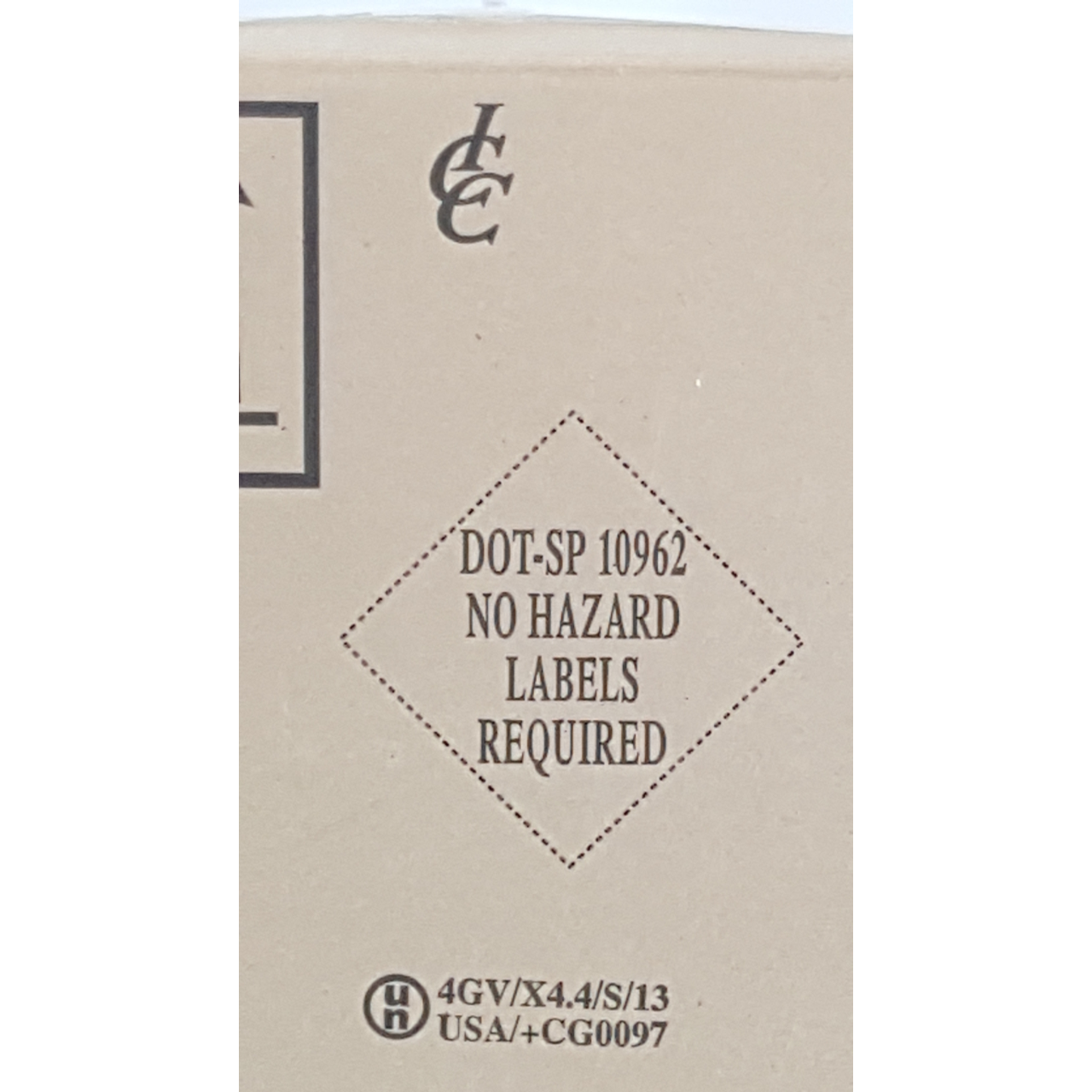
Special permit means a document issued by the Associate Administrator, the Associate Administrator’s designee, or as otherwise prescribed in the HMR, under the authority of 49 U.S.C. 5117 permitting a person to perform a function that is not otherwise permitted under subchapter A or C of this chapter, or other regulations issued under 49 U.S.C. 5101 et seq. (e.g., Federal Motor Carrier Safety routing requirements).

In a nutshell:  A special permit may be issued by USDOT/PHMSA to allow a person (e.g., shipper, carrier, or receiving facility) involved in the transportation of a hazardous material (HazMat) to perform a function that is not allowed by the HMR.

Special permits – once known as exemptions – may be granted to an applicant for an emergency situation or when a safe alternative to the HMR can be demonstrated by the applicant.Special Permit Packaging

A person seeking a special permit has two options:

Persons seeking a special permit must submit an application to USDOT/PHMSA.  The application must meet the requirements of 49 CFR 107, Subpart B and include evidence that the special permit will achieve the same safety level of the HMR or is consistent with the public interest (i.e., the benefit to the public of the special permit outweighs the risk, such as in an emergency).  USDOT/PHMSA’s review of your application will include an evaluation of your compliance history.

If the special permit is granted, compliance with its conditions are the responsibility of the applicant; this includes training HazMat Employees on its conditions.  Special permits have an expiration date, a person wishing to continue use of a special permit must submit a new application prior to its expiration date.

Contact me with any questions you may have about the transportation of hazardous materials by air, highway, vessel, or rail

International and Domestic

Daniels Training Services, Inc.

815.821.1550

Info@DanielsTraining.com

https://danielstraining.com/

A carrier transporting a HazMat under a shipper’s special permit or a shipper offering a HazMat for transport by a carrier using a special permit need not be a party to the special permit if it does not re-package the HazMat.

Also read:  USDOT/PHMSA’s Special Permit FAQs

US Government COVID-19

USDOT/PHMSA Temporary Relief From Recurrent HazMat Employee Training During COVID-19 Public Health Emergency

The Bullet:

Due to the COVID-19 public health emergency, PHMSA decided to temporarily halt enforcement actions against shippers and carriers that are unable to comply with training requirements included in the Hazardous Materials Regulations (HMR).  The notice is limited to recurrent training requirements and does not apply to all other HMR obligations or applicable laws for hazardous materials shippers and carriers (aka: hazardous materials employers or HazMat Employers.US Government COVID-19

Read the notice

For additional information on PHMSA operations during this public health emergency, please contact phmsapublicaffairs@dot.gov

Who:
  • Notice signed by: William S. Schoonover / Associate Administrator for Hazardous Materials Safety/ Pipeline and Hazardous Materials Safety Administration
  • Enforcement discretion will be exercised by the following which regulate every mode of HazMat transportation (air, highway, rail, & vessel):
    • Federal Aviation Administration (FAA)
    • Federal Motor Carrier Safety Administration (FMCSA)
    • Federal Railroad Administration (FRA)
    • PHMSA
    • United States Coast Guard (USCG)

Contact me with any questions you may have about the transportation of hazardous materials by air, highway, vessel, or rail

International and Domestic

Daniels Training Services, Inc.

815.821.1550

Info@DanielsTraining.com

https://danielstraining.com/

What:
  • PHMSA gives notice that it will not take enforcement action against any HazMat Employer who is unable to provide recurrent training consistent with HMR training requirements.
  • This notice is limited to the recurrent training requirements found in 49 CFR 172. 704(c)(2).  HazMat Employers must comply with all other obligations under the HMR and other applicable laws.
  • Note:  this enforcement discretion applies solely to the requirement to provide recurrent HazMat Employee training at least once every three years pursuant to §172.407(c)(2).  It does not apply to the responsibility of the HazMat Employer to provide initial HazMat Employee training within 90 days of personnel performing a regulated function and to provide for direct supervision of untrained personnel during the 90 day period.  The regulations for initial HazMat Employee training are at 172.704(c)(1).

    I can provide initial and recurrent HazMat Employee training as a webinar.

Where:
  • This enforcement discretion is applicable throughout the U.S. and to any activity subject to USDOT/PHMSA authority.
When:
Why:

UN1789, Hydrochloric Acid Solution

  • PHMSA understands that many HazMat Employers may be experiencing difficulty in either obtaining or providing recurrent training as required by the Hazardous Materials Regulations (HMR, 49 CFR Parts 171-180) due to the COVID-19 outbreak.
How:
  • As the agency with the authority to create and enforce regulations for the transportation in commerce of hazardous materials, USDOT/PHMSA has also the authority to create an enforcement discretion such as this one.
A little something more:

PHMSA reminds HazMat Employers that the HMR does not require training to be provided in a traditional classroom setting or through on-the-job training.  Any method of training delivery, including web based, self-paced computer instruction, remotely delivered classroom instruction, on-the-job training, or some combination of those methods that cover the required elements in 49 CFR 172 Subpart H are acceptable.  PHMSA encourages the utilization of any of these training methods to provide HazMat Employees with appropriate recurrent training even if testing is not possible.

Interested in a Webinar that covers this topic, and more!

My Webinar Training Schedule

Something Else:

The notice twice refers to “recurrent training” and makes no mention of initial training.  Further, the first sentence of the last paragraph reads,

This notice is limited to the recurrent training requirements found in 49 CFR 172. 704(c)(2).

That statement excludes the requirements of 49 CFR 172.704(c)(1) for the HazMat Employer to provide initial training within 90 days of a HazMat Employee performing a regulated function and to ensure the HazMat Employee performs any regulated functions under the direct supervision of a trained and knowledgeable HazMat Employee.

USDOT/PHMSA Assistance to Public During COVID-19

During the COVID-19 Pandemic and the public health emergency it has caused, the Pipeline and Hazardous Materials Safety Administration within the U.S. Department of Transportation (USDOT/PHMSA) has issued a notice of the assistance it is providing to pipeline operators and hazardous materials stakeholders until the emergency declaration is lifted.  The documents describing that assistance are identified below. (more…)

Improper maintenance and operation of hazardous waste

EPA Corrects the Record after Reckless Reporting on Temporary Compliance Guidance

The Bullet:

On March 26, EPA released a temporary policy regarding the agency’s enforcement of environmental legal obligations during the COVID-19 pandemic. Despite some media accounts, this temporary policy is not a license to pollute.  This press release is an attempt to clarify the purpose and practical application of this temporary policy.

Read the press release

Who:
  • U.S. Environmental Protection Agency (EPA), Washington D.C. / CONTACT: press@epa.gov
  • E&E News
  • The Hill
  • The AP
  • The New York Times

Daniels Training Services, Inc.

815.821.1550

                    Info@DanielsTraining.com

https://danielstraining.com/

What:

USEPA believes some elements of the media have published reckless propaganda regarding the agency’s recent Temporary Policy. USEPA stated, “Instead of including factual information about the policy, outlets such as E&E NewsThe Hill , the AP, and  the New York Times are relying on sources who falsely claim that the policy provides a blanket waiver of environmental requirements or creates a presumption that the pandemic is the cause of noncompliance.”

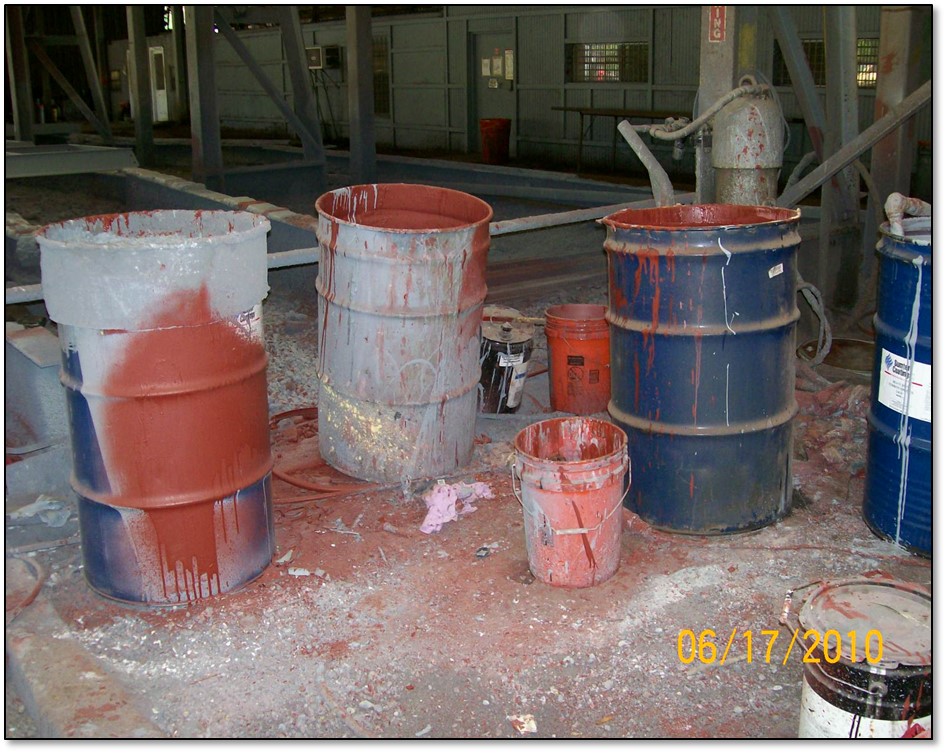
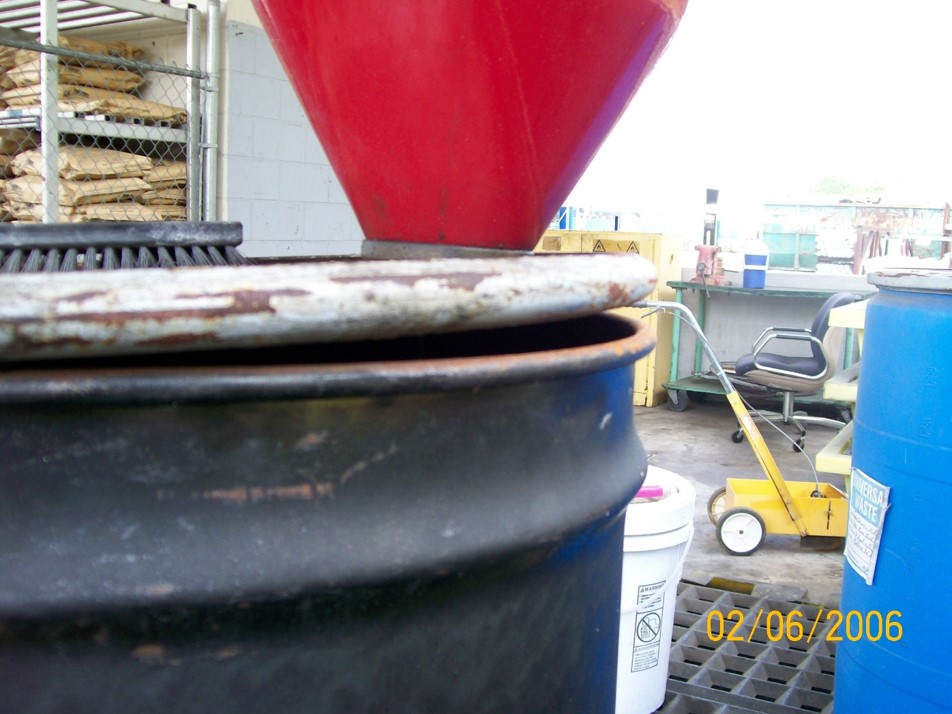
Hazardous waste container in poor condition
This is not OK under USEPA’s temporary policy

Here are some of the facts about the temporary policy:

  • The policy says that EPA will not seek penalties for noncompliance with routine monitoring and reporting requirements, if, on a case-by-case basis, EPA agrees that such noncompliance was caused by the COVID-19 pandemic. Regulated parties must document the basis for any claim that the pandemic prevented them from conducting that routine monitoring and reporting and present it to EPA upon request. This action was necessary to avoid tying up EPA staff time with questions about routine monitoring and reporting requirements and instead allow EPA to focus on continued protection of human health and the environment.
  • The policy does not say that the COVID-19 pandemic will excuse exceedances of pollutant limitations in permits, regulations, and statutes. EPA expects regulated entities to comply with all obligations and if they do not, the policy says that EPA will consider the pandemic, on a case-by-case basis, when determining an appropriate response. Further, in cases that may involve acute risks or imminent threats, or failure of pollution control or other equipment that may result in exceedances, EPA’s willingness to provide even that consideration is conditioned on the facility contacting the appropriate EPA region, or authorized state or tribe, to allow regulators to work with that facility to mitigate or eliminate such risks or threats.
Where:

Within the United States

When:

Press release dated 03.30.20

Open Hazardous Waste container
Hazardous waste containers must remain closed
Why:
  • EPA has been inundated with questions from both state regulators and the regulated community about how to handle the current extraordinary situation where contractors are not available because they cannot travel, state and local governments are imposing stay at home orders, and the number of people who have contracted COVID-19 and are in quarantine is rising.
  • EPA developed the Temporary Policy to allow EPA to prioritize its resources to respond to acute risks and imminent threats, rather than making up front case-by-case determinations regarding routine monitoring and reporting.
How:

The development of the policy was a group effort, involving multiple calls and with drafts shared among EPA staff and managers, both career and political, at both headquarters and in the regions.

Daniels Training Services, Inc.

815.821.1550

                    Info@DanielsTraining.com

https://danielstraining.com/

Conclusion:
  • It is important to note EPA expects regulated facilities to comply with regulatory requirements, where reasonably practicable, and to return to compliance as quickly as possible, once the COVID-19 threat is over.
  • Additionally, the policy makes clear that EPA expects operators of public water systems to continue normal operations and maintenance during this time, as well as required sampling, to ensure the safety of vital drinking water supplies.
  • The measures in this policy are temporary and will be lifted as soon as normal operations can resume, which may occur sooner in some locations than others.
Virus Shut Out

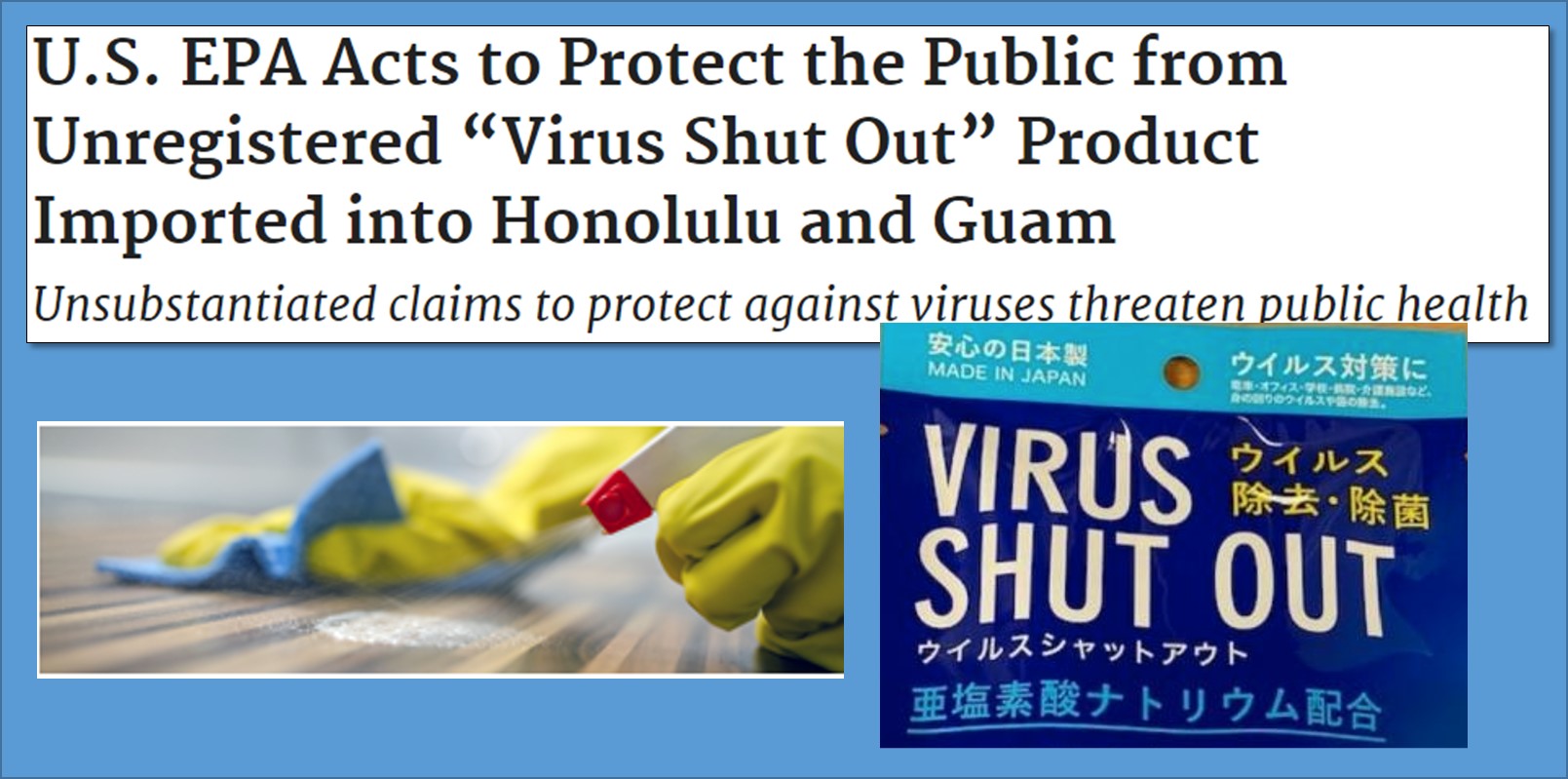
U.S. EPA Acts to Protect the Public from Unregistered “Virus Shut Out” Product Imported into Honolulu and Guam

The Bullet:

The U.S. Environmental Protection Agency (EPA) announced it has prevented several shipments of an illegal health product from entering U.S. Pacific ports under federal pesticide laws.

View the News Release

Who:
  • U.S. Environmental Protection Agency (EPA), Region 09
  • U.S. Customs and Border Protection (CBP)
What:
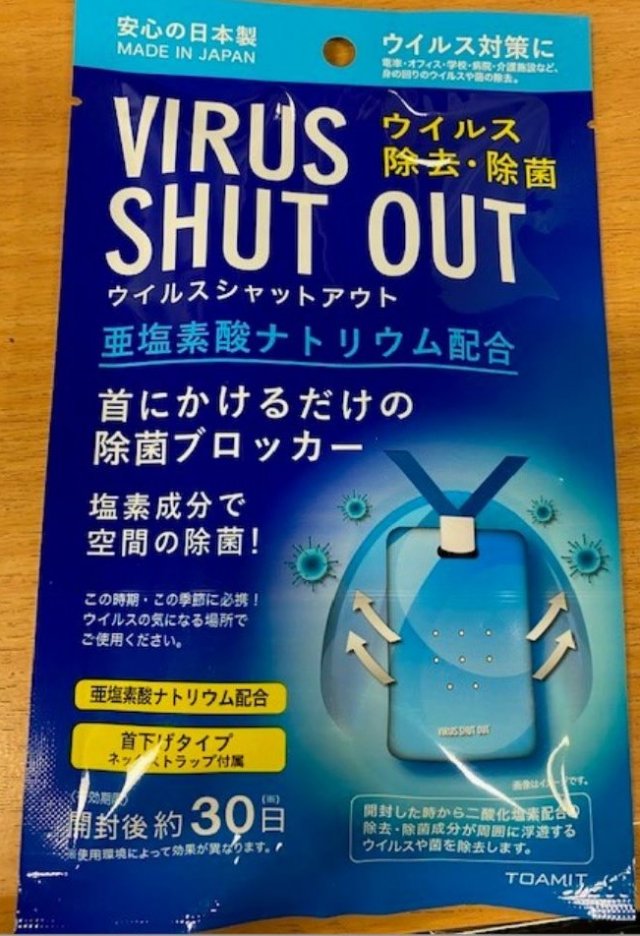
  • Virus Shut Out, is not registered with the EPA. Therefore, its safety and efficacy against viruses have not been evaluated.
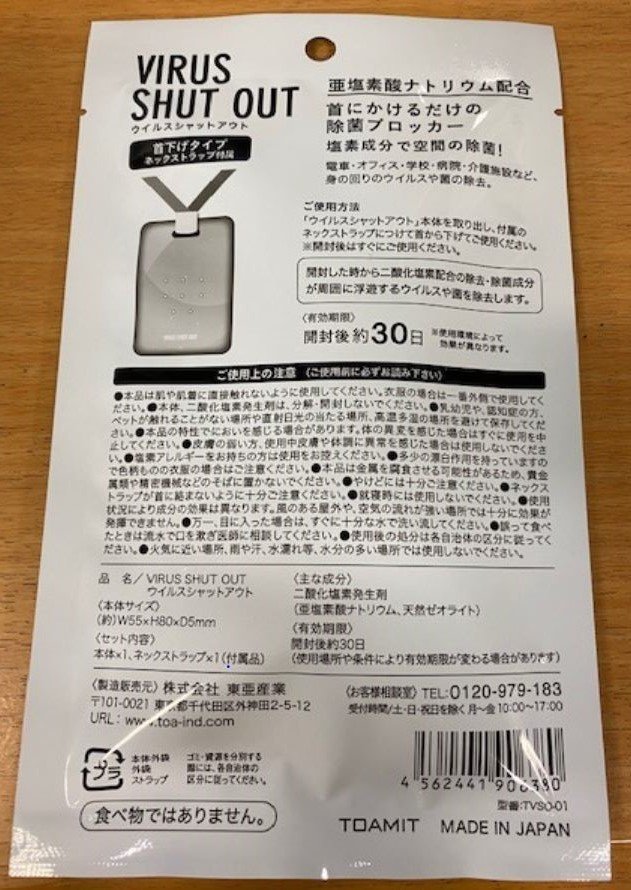
  • Its labeling – including directions for use – is not provided in the English language as required by law.
  • On-line advertising materials contain misleading claims about its safety and effectiveness.  Like this: https://toamit.shop/Japan-Virus-Shut-Out?gclid=EAIaIQobChMI0Ourw4DD6AIVF6SzCh0-zgz9EAAYASAAEgKMC_D_BwE
Where:
  • The unregistered product is being imported from Japan and Hong Kong through U.S. ports in Honolulu and Guam.
When:
  • News release dated 03.25.20.
Why:
  • Unsubstantiated claims to protect against viruses threaten public health.
  • Public health claims can only be made regarding products that have been properly tested and are registered with the EPA.
  • The agency will not register a pesticide until it has been determined that it will not pose an unreasonable risk when used according to the label directions.
  • Products not registered by EPA can be harmful to human health, cause adverse effects, and may not be effective against the spread of germs.
  • “It is critical that people only use EPA-registered disinfectants and follow label directions for proper use,” said EPA Pacific Southwest Regional Administrator John Busterud. “EPA will not tolerate companies selling illegal disinfectants and making false or misleading public health claims during this pandemic crisis.”
How:
  • Under the Federal Insecticide, Fungicide and Rodenticide Act, products that claim to kill or repel bacteria or germs are considered pesticides and must be registered with the EPA prior to distribution or sale.

Daniels Training Services, Inc.

815.821.1550

                    Info@DanielsTraining.com

https://danielstraining.com/

Conclusion:
  • EPA and CBP will continue monitoring for products with illegal pesticidal claims. In addition, EPA has reached out to Amazon to remove the product from their online marketplace. Amazon has taken this step.
  • EPA has released an expanded list of EPA-registered disinfectant products that have qualified for use against SARS-CoV-2, the novel coronavirus that causes COVID-19. The list contains nearly 300 additional products—including products that went through the expedited review process for emerging viral pathogens.
  • To view the most up-to-date list of EPA-registered disinfectant products, visit https://www.epa.gov/pesticide-registration/list-n-disinfectants-use-against-sars-cov-2
  • For more information on EPA resources on the coronavirus disease (COVID-19): https://www.epa.gov/coronavirusFor more information on pesticides, please visit: http://www.epa.gov/pesticides

"Virus Shut Out" Package - FrontPackaging showing the front and back of the Virus Shut Out product."Virus Shut Out" Package - Back


The Requirements of 40 CFR 262.16(b)(8)(i) Maintenance and Operation of Facility for Small Quantity Generator of Hazardous Waste

Federal regulations of the U.S. Environmental Protection Agency (USEPA) mandate a small quantity generator of hazardous waste (SQG) take certain precautions to prepare for and prevent hazardous waste emergencies and to take certain measures if one were to occur. These regulations are found within the SQG conditions of exemption at 40 CFR 262.16:

  • 40 CFR 262.16(b)(8) Preparedness and prevention
  • 40 CFR 262.16(b)(9) Emergency procedures

This article is the first in a series that closely examines these regulations and attempts to make them understandable.

The purpose of this article: 40 CFR 262.16(b)(8)(i) Maintenance and operation of facility. (more…)

Arrangements with Local Authorities: Example Letter

EXAMPLE

 (Insert Company Letterhead)


Date


Name of Local Police Department / Fire Department / Other Emergency Response Team / Emergency Response Contractors or Suppliers / Local Hospitals / (if applicable) Local Emergency Planning Committee

Attn: Local Authority Contact

Street Address

City, State, Zip code


Dear Local Authority Contact:

This letter is written as a requirement of the Hazardous Waste Rules adopted by the State of Your State.  The purpose of this letter is to document arrangements to familiarize (Name of Local Authority) with the layout of the facility; types, quantities, and properties of hazardous waste handled at the facility and associated hazards; places where facility personnel would normally be working; entrances to roads inside the facility; possible evacuation routes; and the types of injuries or illnesses which could result from fires, explosions, or releases at the facility.

Name of Facility is located at Address of Facility. Name of the Facility engages in activities that make it subject to the preparedness, prevention, and emergency procedures of USEPA and Your State; these include:

  • Include a description of the activities/processes that occur at the site.

Hazardous waste is generated as a result of describe the process generating hazardous waste, and is accumulated at this facility. In accordance with select which applies: 40 CFR 262.16(b)(8)(vi) [for SQGs] or 40 CFR 262.256 [for LQGs], we are providing your facility with the following information:

  • A layout of the facility showing areas where hazardous waste is generated and accumulated, places where facility personnel would normally be working, entrances to roads inside the facility and possible evacuation routes. (Attach information)
  • A description of the types, quantities, and properties of hazardous waste handled at the facility and the associated hazards. (Attach information or describe here)
  • A description of the types of injuries or illnesses which could result from fires, explosions, or releases at the facility. (Attach information or describe here).

We are requesting that your facility provide the following services in the event of an emergency regarding hazardous waste generation and accumulation at the facility:

  • (Describe/Specify the requested Services) (Where more than one police or fire department might respond, facility must have agreements designating primary emergency authority to a specific police or fire department, and agreements with any others to provide support to the primary emergency authority)

If you do not agree with the arrangements, have questions, or need additional information please call me at Phone Number of Facility.

Sincerely,


Facility Contact Signature

Facility Contact Name


Search Website