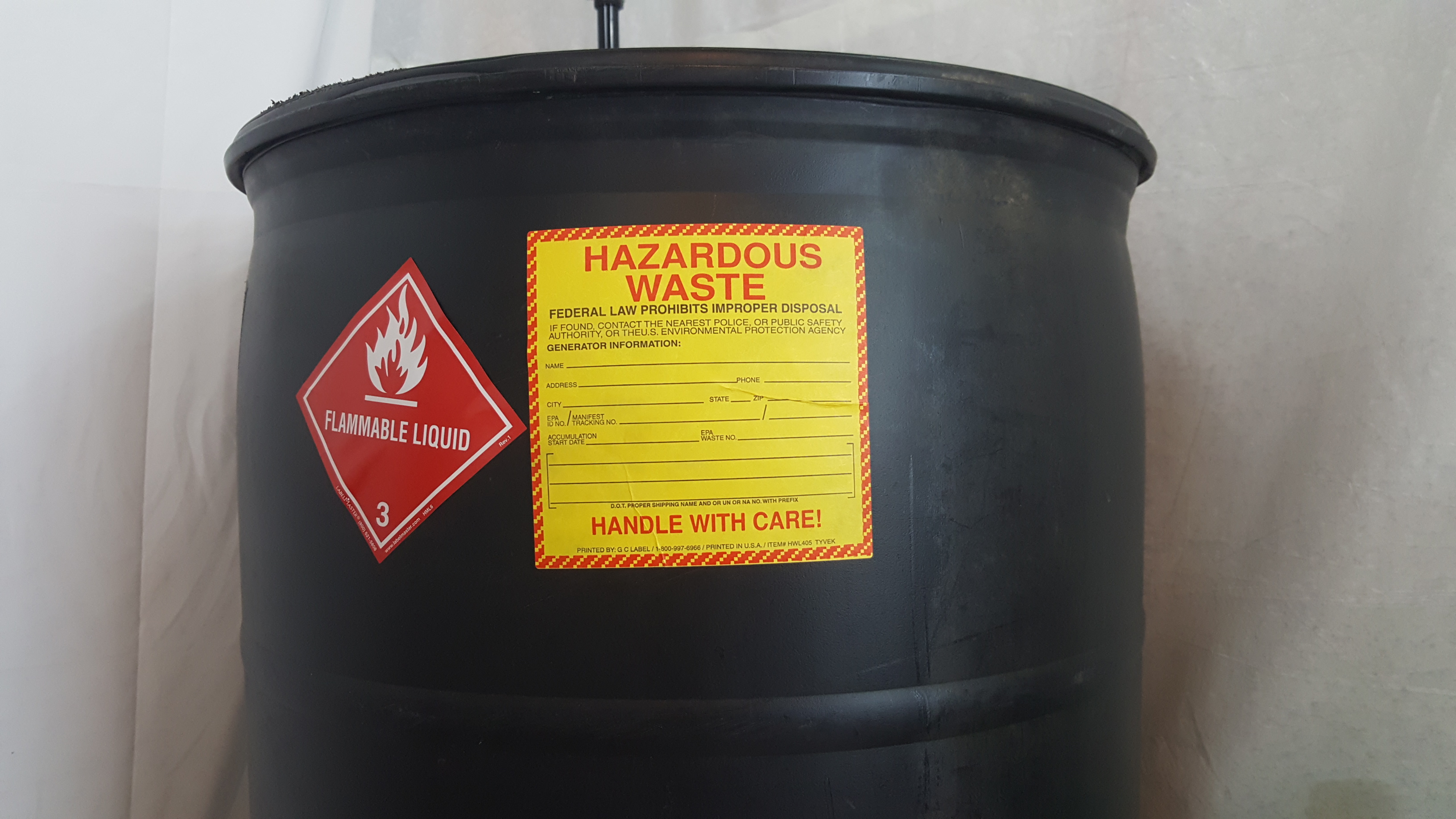
The RCRA contingency plan is a requirement for large quantity generators of hazardous waste (LQGs) and hazardous waste treatment storage and disposal facilities (TSDFs) pursuant to 40 CFR 265, Subpart D [now 40 CFR 262, subpart M due to the Generator Improvements Rule]. It is a document that describes specific actions a facility must take in the event of a fire, explosion, or release of hazardous waste. Learn more about the RCRA Contingency Plan.
The purpose of this article: identify and explain the requirements of 40 CFR 262, subpart D to maintain records of the contingency plan.
Hold on a minute! These regulations were revised and moved to a new location within Title 40 of the CFR by the Generator Improvements Rule. If your state has not yet adopted the Generator Improvements Rule, then this article is still applicable to you (but it won’t be for much longer). If your state has adopted and been authorized to enforce the Generator Improvements Rule, then these regulations no longer apply to you. Read: What is the status of the Generator Improvements Rule in my state?
Fortunately, the changes made by the Generator Improvements Rule did not affect the recordkeeping requirements for the contingency plan (the subject of this article) except to change the regulatory citation. This article has been revised to include reference to the regulations both prior to and after the Generator Improvements Rule.
Please refer to this series of articles if you’re interested in all of the requirements of 40 CFR 262, subpart M to create and maintain a contingency plan.