PO Box 1232 Freeport, IL 61032

A Different Kind Of Training

A Different Kind Of Training

A Different Kind Of Training

Certifications Required by the Generator-Controlled Exclusion of 40 CFR 261.4(a)(23)

40 CFR 261.4(a)(23), known as the Generator-Controlled Exclusion, is a conditional exclusion from regulation as a solid waste for a hazardous secondary material if its generator complies with the requirements of the exclusion and is generated and reclaimed under one of the following arrangements:

  1. Generated and reclaimed at the generating facility.
  2. Reclaimed at an off-site facility that is owned/controlled by the generator or one under the same ownership/control as the generator.
  3. Generated pursuant to a written contract between a tolling contractor and a toll manufacturer and is reclaimed by the tolling contractor.

While no certification is required under option #1, the use of options #2 or #3 will require the subject facility to provide the specified certification.  Those certification requirements are described below. (more…)

Recordkeeping Requirements of the Generator-Controlled Exclusion at 40 CFR 261.4(a)(23)

40 CFR 261.4(a)(23) is a conditional exclusion from regulation as a solid waste for a hazardous secondary material if its generator complies with the requirements of the exclusion and is generated and reclaimed under one of the following arrangements:

  1. Generated and reclaimed at the generating facility.
  2. Reclaimed at an off-site facility that is owned/controlled by the generator or one under the same ownership/control as the generator.
  3. Generated pursuant to a written contract between a tolling contractor and a toll manufacturer and is reclaimed by the tolling contractor.

While their is no recordkeeping requirement under option #1, the use of options #2 or #3 will require the maintenance of certain records by subject facilities.  Those recordkeeping requirements are described below. (more…)

Delaware Proposes Changes to its Hazardous Waste Regulations

The Department of Natural Resources and Environmental Control (DNREC), Division of Waste and Hazardous Substances, Solid and Hazardous Waste Management Section will conduct a public hearing on the proposed regulatory amendments to Delaware’s Regulations Governing Hazardous Waste.

Proposed amendments:
  • Modify the characteristics of ignitability (hazardous waste code D001) to mirror the federal requirements.
  • Correct typographical and reference errors.

To review the proposed amendments

The public may also view the proposed amendments Monday through Friday from 8:00 a.m. to 4:00 p.m. at this DNREC location: 89 Kings Highway, Dover, DE 19901. (302) 739-9403.

A Public Hearing will be conducted on:

Jan. 21, 2016 starting at 6:00 pm
DNREC Richardson and Robbins Building, Auditorium
89 Kings Highway
Dover, Delaware 19901

Written comments will be accepted until January 21, 2016 and should be sent to:  lisa.vest@state.de.us or Lisa Vest, Hearing Officer, DNREC, 89 Kings Highway, Dover, DE 19901.

Contact me with any questions you may have about the generation, identification, management, and disposal of hazardous waste

Daniels Training Services

815.821.1550

Info@DanielsTraining.com

https://danielstraining.com/

If you’re like me you read, “Modify the characteristics of ignitability (hazardous waste code D001) to mirror the federal requirements.” and thought, “Whoa! What’s that all about?”  Well, you can relax.  The answer is, not much.  The proposed change to the regulatory definition of ignitability in the Delaware regulations will include specific language about the definition of a flammable compressed gas and an oxidizer instead of merely reading “…as defined in 49 CFR Part 173…”

Read my article on the Characteristic of Ignitability (D001) for Hazardous Waste

As a state with an authorized hazardous waste program, the Delaware DNREC can create and enforce its own regulations for the management of hazardous waste as long as they are at least as strict as those of the US EPA.  This is an instance where DNREC wishes for its regulations to mirror those of the EPA.  There are other instances where hazardous waste regulations in Delaware differ from those of the EPA.  My Onsite RCRA Training addresses those state-specific regulations and how they apply to your facility.

RCRA Violations Detected and Corrected at Delaware Solid Waste Authority – Cherry Island Landfill

The Bullet:

The Cherry Island Landfill, operated by the Delaware Solid Waste Authority was issued several Notice of Violations (NOVs) by the Delaware Department of Natural Resources and Environmental Control (DNREC) for several potential violations of the state’s Solid and Hazardous Waste Program.

Who:

Delaware Department of Natural Resources and Environmental ControlDelaware Department of Natural Resources and Environmental Control (DNREC)

Delaware Solid Waste Authority – Cherry Island Landfill

What:
  • Containers of hazardous waste were kept on-site past their accumulation time limit.
  • Containers and above ground tanks holding used oil on site must be marked with the words Used Oil.
  • A small quantity handler of universal waste must inform all employees who handle or have responsibility for managing universal waste. The information must describe proper handling and emergency procedures appropriate to the type(s) of universal waste handled at the facility.
  • Universal waste container must be marked.
  • A small quantity handler of universal waste must contain any lamps in containers or packages that are structurally sound, adequate to prevent breakage, and compatible with the contents of the lamps.
  • Containers of hazardous waste must be marked with the words “Hazardous Waste” or with other words that identify the contents of the containers.
Where:

The Delaware Solid Waste Authority – Cherry Island Landfill is located at 1706 East 12th Street Wilmington, DE 19809

When:
  • Date violations discovered:  September 21, 2015
  • Date violations corrected:  Varies but no later than October 29, 2015
  • Enforcement action served:  December 21, 2015
Why:

“It’s the mission of the Delaware Department of Natural Resources and Environmental Control to protect and manage the state’s vital natural resources, protect public health and safety, provide quality outdoor recreation and to serve and educate the citizens of the First State about the wise use, conservation and enhancement of Delaware’s Environment.”

Unfortunately education isn’t always enough and that’s why the DNREC issued NOVs in this case.  To the credit of the operators of the Cherry Island Landfill most of the violations were corrected in a matter of days and all of them within a little over a month.

How:

As a state with an authorized hazardous waste program, the DNREC has the authority to enforce state regulations for the management of hazardous waste, universal waste, and used oil.

Contact me with any questions you may have about the generation, identification, management, and disposal of hazardous waste

Daniels Training Services

815.821.1550

Info@DanielsTraining.com

https://danielstraining.com/

Conclusion:

DNREC submits NOVs to the Delaware Solid Waste Authority for violations of state regulations that are, in turn, based on Federal regulations.  Whether your operations are private or public, you must comply with the hazardous waste regulations, state and Federal, created by the Resource Conservation and Recovery Act (RCRA).  One requirement of the hazardous waste regulations is that you provide training for those employees who work with or around hazardous waste.


Army Settles With EPA for Hazardous Waste Violations at Fort Wainwright, AK – Pays $59,220 in Penalties

The Bullet:

The U.S. Environmental Protection Agency has reached a settlement with the U.S. Army for alleged violations of its hazardous waste permit at Fort Wainwright, Alaska. As part of the settlement, the Army has agreed to pay $59,220 in penalties for violations of the Resource Conservation and Recovery Act (RCRA).

Who:

Logo for US Environmental Protection AgencyU.S Environmental Protection Agency Region 10.

Fort Wainwright, a U.S Army base.

What:

EPA alleges that the Army violated its RCRA permit by failing to notify the Agency when an old munitions and explosives dump was discovered within the Fort’s Small Arms Range Complex in June 2013.

The U.S Army paid $59,220 in penalties as part of the settlement.

Where:

The U.S Army base Fort Wainwright is located on the eastern border of Fairbanks, encompassing over 900,000 acres and includes a range complex, maneuver areas, missile sites, and a garrison.

When:
  • EPA listed Fort Wainwright on the Superfund National Priorities List:  1990.
  • Initial investigation of the site:  2013.
  • Old munitions and explosives dump discovered within the Fort’s Small Arms Range Complex:  June 2013.
  • Army required to notify EPA of its knowledge of the dump:  within 15 days.
  • EPA learned of the dump in a technical memo from the Army’s contractor:  more than a year later.
  • The Army conducted a partial cleanup at the site:  2015.
  • Settlement announcement published by EPA: 12/08/2015
  • The Army to conduct additional cleanup:  2016.
Why:

“Failure to notify EPA could have delayed and impeded our ability to ensure timely, appropriate actions were taken to protect people and the environment.” said Ed Kowalski, Directo of EPA’s Pacific Northwest Office of Compliance and Enforcement.

Contact me with any questions you may have about the generation, identification, management, and disposal of hazardous waste

Daniels Training Services

815.821.1550

Info@DanielsTraining.com

https://danielstraining.com/

How:

Alaska does not have an authorized hazardous waste program under RCRA (neither does Iowa, Puerto Rico, the Virgin Islands, American Samoa, nor the Commonwealth of the Northern Marianna Islands), therefore the Federal regulations of the EPA are in effect and enforced by EPA.

Conclusion:

What I find interesting about this situation is that Fort Wainwright has a permit under the Resource Conservation and Recovery Act and does not operate as do most generators of hazardous waste: under the permit-by-rule regulations of 40 CFR 262 and elsewhere.  Their permit allows the base to do more with its hazardous waste, e.g. store it for greater than 90 days, perhaps but also comes with more strict responsibilities and is subject to more oversight by state and Federal agencies.

No Trespassing Sign on Army BaseThe other interesting aspect of this announcement is that the U.S. Army is subject to EPA regulations under RCRA.  Got that?  There is no exclusion from regulation under RCRA even for our armed forces.  (Last month I published an announcement of NASA’s alleged violations of RCRA).  If you’re curious about RCRA and its application to government agencies read this article:  Military Munitions, RCRA, and the Federal Facilities Compliance Act of 1992.

Interested in a Webinar that covers this topic, and more!

My Webinar Training Schedule

Read the press release:  Army settles with EPA for hazardous waste violations at Fort Wainwright, Alaska

EPA Contact Information: Suzanne Skadowski, 206-553-2160, 206-900-3309

Learn more about EPA’s RCRA compliance and enforcement work at: http://www2.epa.gov/enforcement/waste-chemical-and-cleanup-enforcement.

Federal Register logo

What’s up? What’s new? What’s coming? December 2015 – Rules & Regulations, Proposed Rules, and Notices Regarding the Management of Hazardous Waste and the Transportation of Hazardous Materials

December 1, 2015 through December 31, 2015

USEPA – US Environmental Protection Agency:Logo for US Environmental Protection Agency

Publications not related to the management of hazardous waste, solid waste, universal waste, or used oil are not included here.

Rules and Regulations:

Texas: Final Authorization of State-Initiated Changes and Incorporation by Reference of State Hazardous Waste Management Program Pages 80672 – 80682 [FR DOC # 2015-31881] PDF | Text | More

Proposed Rules:

Fall 2015 Regulatory Agenda Pages 78023 – 78030 [FR DOC # 2015-30656] PDF | Text | More

Contact me with any questions you may have about the management of hazardous waste

Daniels Training Services

815.821.1550

Info@DanielsTraining.com

https://danielstraining.com/

TCEQ training for hazardous waste personnel

Texas: Final Authorization of State-initiated Changes and Incorporation by Reference of State Hazardous Waste Management Program Pages 80722 – 80722 [FR DOC # 2015-31876] PDF | Text | More

Notices:

Agency Information Collection Activities; Proposed Collection; Comment Request; Generator Standards Applicable to Laboratories Owned by Eligible Academic Entities Pages 76467 – 76468 [FR DOC # 2015-31045] PDF | Text | More

Agency Information Collection Activities; Proposed Collection; Comment Request; Identification of Non-Hazardous Secondary Materials That Are Solid Waste (Renewal) Pages 76482 – 76483 [FR DOC # 2015-31046] PDF | Text | More

Cross-Media Electronic Reporting: Authorized Program Revision Approval, State of Illinois Pages 76467 – 76467 [FR DOC # 2015-30914] PDF | Text | More

Cross-Media Electronic Reporting: Authorized Program Revision Approval, State of Iowa Pages 76474 – 76474 [FR DOC # 2015-30913] PDF | Text | More

FAA – Federal Aviation Administration:Logo of the Federal Aviation Administration

Publications not related to the transportation of hazardous materials are not included here.

Rules and Regulations:

None

Proposed Rules:

None

Notices:

Second Meeting: RTCA Special Committee (235) Non-Rechargeable Lithium Batteries Pages 77696 – 77696 [FR DOC # 2015-31408]  PDF | Text | More

FMCSA – Federal Motor Carrier Safety AdministrationThe FMCSA sets the minimum standards for Commercial Driver's Licenses:

Publications not related to the transportation of hazardous materials are not included here.

Rules and Regulations:

None

Proposed Rules:

Driving of Commercial Motor Vehicles: Use of Seat Belts Pages 76649 – 76653 [FR DOC # 2015-30864] PDF | Text | More

Parts and Accessories Necessary for Safe Operation: Federal Motor Vehicle Safety Standards Certification for Commercial Motor Vehicles Operated by United States-Domiciled Motor Carriers; Withdrawal Pages 81503 – 81506 [FR DOC # 2015-32868]  PDF | Text | More

Notices:

None

Federal Railroad AdministrationFRA – Federal Railroad Administration:

Publications not related to the transportation of hazardous materials are not included here.

Rules and Regulations:

Monetary Threshold for Reporting Rail Equipment Accidents/Incidents for Calendar Year 2016 Pages 80683 – 80686 [FR DOC # 2015-32545]    PDF | Text | More

Proposed Rules:

None

Notices:

None

PHMSA – Pipeline and Hazardous Materials Safety Administration:Logo for the Pipeline and Hazardous Materials Safety Administration (PHMSA)

Publications not related to the transportation of hazardous materials are not included here.

Rules and Regulations:

Hazardous Materials: Requirements for the Safe Transportation of Bulk Explosives (RRR) Pages 79423 – 79453 [FR DOC # 2015-31880] PDF | Text | More

Proposed Rules:

Hazardous Materials: Safety Requirements for External Product Piping on Cargo Tanks Transporting Flammable Liquids Pages 81501 – 81503 [FR DOC # 2015-32681] PDF | Text | More

Notices:

Hazardous Materials: Notice of Application for Modification of Special Permit Pages 81431 – 81432 [FR DOC # 2015-32394] PDF | Text | More

Hazardous Materials: Actions on Special Permit Applications Pages 81432 – 81433 [FR DOC # 2015-32393] PDF | Text | More

Hazardous Materials: Notice of Application for Special Permits Pages 81434 – 81434 [FR DOC # 2015-32408] PDF | Text | More

Hazardous Materials: Delayed Applications Pages 81435 – 81436 [FR DOC # 2015-32407] PDF | Text | More

 Information can be helpful but it’s useless if you are not able to make sense of it.  You must be able to determine how any changes to the rules and regulations (final or proposed) will affect your operations, and communicate the necessary information to your personnel.  I can help you to do that.

Contact me with any questions you may have about the transportation of hazardous materials by air, highway, vessel, or rail

International and Domestic

Daniels Training Services

815.821.1550

Info@DanielsTraining.com

https://danielstraining.com/

Hazardous Waste Personnel Training and the CESQGPlease contact me for a free training consultation to determine your regulatory requirements and how training can help you to attain and maintain compliance with the regulations of the US Environmental Protection Agency (and your state) and the PHMSA, FAA, FRA, & FMCSA of the US Department of Transportation.

Emergency Preparedness and Response Conditions of 40 CFR 261, Subpart M

40 CFR 261, Subpart M was created by the 2015 Definition of Solid Waste Rule (read: A brief summary of the 2015 Definition of Solid Waste Rule) which became effective at the Federal level and in Iowa and Alaska; also:  Puerto Rico, Virgin Islands, American Samoa, Marianna Islands, and some tribal lands on July 13, 2015.  States with an authorized hazardous waste program may adopt the rule at their own schedule (read:  State RCRA Authorization and the 2015 Definition of Solid Waste Rule).  Generators of a hazardous secondary material that wish to take advantage of two of the conditional exclusions from regulation as a solid waste created by the 2015 DSW – namely the Generator-Controlled Exclusion at §261.4(a)(23) and the Verified-Recycler Exclusion at §261.4(a)(24) – must comply with the newly created regulations of §261, Subpart M.  Though the regulations are new the requirements are not.  Anyone familiar with the emergency preparedness and response requirements for generators of hazardous waste will find that the requirements of §261, Subpart M are exactly the same.  The purpose of this article is not to explain the requirements of the emergency preparedness and response conditions of Subpart M but instead to illustrate how they compare to the existing emergency preparedness and response requirements for generators of hazardous waste. (more…)

Significant Changes to the International Maritime Dangerous Goods Code for 2016

December 31, 2015 is the end of the transition year for the 2012 Edition (36-12 Amendment) of the IMDG Code of the International Maritime Organization.  The code is updated every two years but is optional for its first and last year and mandatory for a third year that falls between the two voluntary compliance years.  Confused?  Check out the infographic contained in this short article and I think it will make more sense:  The IMDG Code Amendment Cycle.

The result is that as of midnight on December 31, 2015 the 2012 Edition of the IMDG Code is worthless and must be replaced with the 2014 Edition, Incorporating Amendments 37-14.

I bought my 2014 Edition of the International Maritime Dangerous Goods Code from Air Sea Container, Inc.  If - like me - you can't get the spiral bound copy, take it to a printer who can cut the spine and place it in a spiral binder.  It lies flat and is easier to work with.

There are many changes from the 2012 Edition to the 2014.  Significant changes are summarized below and explained further at this IMO publication:  Summary of Significant Changes to the Code 2014 Edition.  Or, if you wish to see all 217 pages of amendments:  IMDG Code Amendments 37-14.

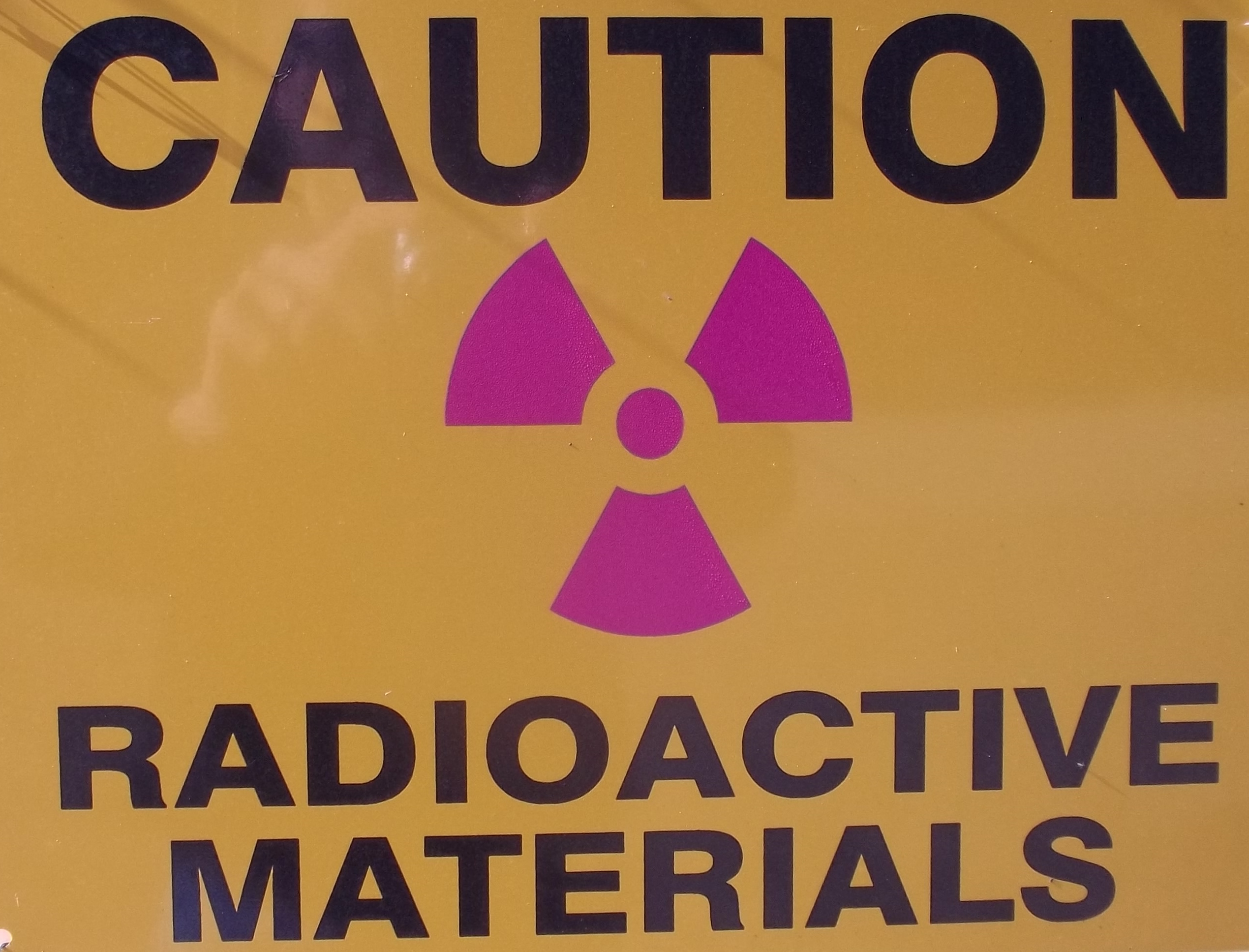
  • Caution Radioactive MaterialsProvisions regarding the transportation by vessel of Class 7 Radioactive Materials have been revised to reflect the IAEA Regulations for the Safe Transport of Radioactive Material – 2012 Edition (IAEA Safety Standards Series SSR-6), which supersedes the IAEA 2009 Edition.
  • The format of the 4.2 Dangerous Goods List has been modified to replace column 16 Stowage and Segregation with two new columns:  16a Stowage and Handling and 16b Segregation.  Instead of descriptive text, the new columns now contain codes that are defined in Chapter 7 of the IMDG Code.
  • There are significant changes in Chapter 7.2, including more stringent segregation and stowage requirements for Class 4.3 and other water-reactive materials.
  • Updates of the Dangerous Goods List in 4.2 include:
    • The proper shipping name for UN 3268 has been changed from AIR BAG MODULES, AIR BAG INFLATORS or SEAT-BELT PRETENSIONERS to SAFETY DEVICES.
    • Asbestos is now to be shipped as UN 2212 ASBESTOS AMPHIBOLE or UN 2590 ASBESTOS, CHRYSOTILE.
    • The entry for CAPACITORS has been divided into CAPACITOR, ELECTRIC DOUBLE LAYER (UN 3499) and CAPACITOR, ASYMMETRIC (UN 3508).
    • PACKAGING DISCARDED, EMPTY UNCLEANED (UN 3509) has been added but can’t be used for sea transport (!?!).
    • A series of shipping names for various adsorbed gases have been assigned between UN 3510 and UN 3526.
  • The following Special Provisions have been added:
    • SP 367 through 376 (excluding 374, 375).
    • SP 968 through 970
  • Special Provisions for shipping certain common items have been added or Transportation of dangerous goods by vesselrevised:
    • SP 376 through 377 for lithium batteries damaged/defective or for recycling/disposal.
    • SP 961, 962 for vehicles or internal combustion engines (see also SP 970).

Significant Changes to the IATA Dangerous Goods Regulations for 2016

Each year the Dangerous Goods Regulations of the International Air Transport Association are published anew.  That means that when the ball drops on 12.31.15 any copies of the 56th Edition of the Dangerous Goods Regulations are worthless and must be replaced by the 57th Edition which will be in effect for calendar year 2016.

I just bought mine on-line from Air Sea Containers, Inc.  Take my advice and pay the few extra bucks for the spiral bound copy as it lies flat and is easier to work with.

I have summarized below the significant changes from the 56th to 57th Editions published by IATA.  For the full IATA publication read Significant Changes and Amendments to the 57th Edition (2016).

  • Section 1 – Applicability
    • 1.3.3 – Dangerous Goods in Consolidations has been slightly revised and a definition of “consolidation” added.
  • Section 2 – Limitations
    • 2.3 – Dangerous Goods Carried by Passengers or Crew has been revised regarding portable electronic devices, including medical devices containing lithium batteries and spare batteries:
      • Portable oxygen concentrators (POC) are specifically referred to as a portable medical electronic device (PMED).
      • The list of portable electronic devices (PED) has been revised to include reference to more common items, including power banks, which must be treated as spare lithium batteries
    • Table 2.3.A has been restructured:
      • Items are now listed in alphabetical order.
      • Columns for qualifying conditions applicable, approval of the operator, permitted in checked baggage, carry-on baggage and information to the pilot-in-command, moved to right side of table to improve readability.
    • 2.8 – State and Operator Variations:
      • State variations revised by France.
      • State variations now submitted by Nepal and Venezuela.
      • Many additions, deletions, and amendments to operator variations.
  • Section 5 – Packing
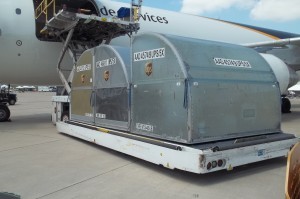
    • 5.0.1.3 identifies the few dangerous goods that are allowed to be shipped in freight containers and unit loa
      Unit Load Device
      A unit load device used by UPS

      d devices.  The list of excepted dangerous goods has been expanded and revised to align the list and format to 9.1.4 – Acceptance of Freight Containers and Unit Load Devices.

    • 5.0.1.5 has been expanded to include an additional paragraph to clarify that an overpack of dangerous goods may also contain non-dangerous goods.
    • 5.2.0.6 Packing instructions for Class 2 – Gases has been revised to move the content of 5.2.0.6 regarding filling limits for cylinders to Packing Instruction 200.
  • Packing Instructions
    • PI Y963 Packing instructions for ID 8000, Consumer commodities has been revised to add text identifying substances that are permitted to be classified as ID 8000 and to state that other dangerous goods must not be packed in the same outer packaging with consumer commodities.
    • PI 965 through PI 970 Packing instructions for lithium ion, lithium metal, or lithium polymer cells and batteries that are shipped alone, with equipment, or in equipment has been revised to require the outer packagings to be rigid.  Changes have also been made to the permitted packagings table for each.
    • PI 966 and PI 969 Packing instructions for lithium batteries packed with equipment (UN 3481 or UN 3091) has been revised to clearly identify what is meant by “equipment”.  The same clarifying text has been added to PI 967 and PI 970.
    • PI 967 and PI 970 Packing instructions for lithium batteries contained in equipment has been revised to limit the exception from use of the lithium battery handling label on certain packages.
  • 8 – Documentation
    • 8.1.6.9.2 has had text added to clarify that it is acceptable to identify the number of packages on the Shipper’s Declaration of Dangerous Goods by use of number or words.
  • 9 – Handling
    • 9.4.4 has been revised to include recommendations on actions to take when packages with GHS markings are found to be damaged or leaking and there may be a risk to persons or the environment.
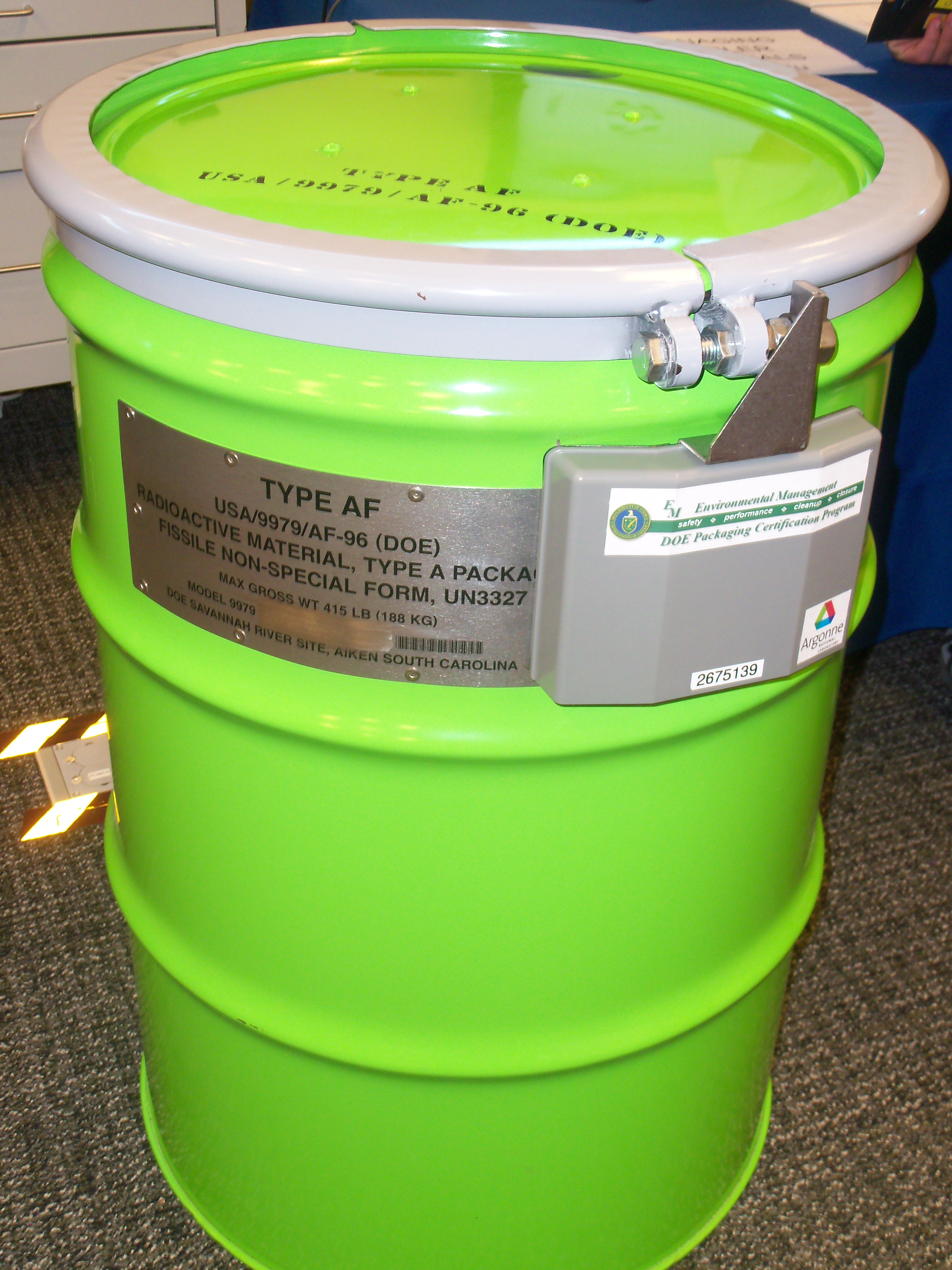
  • Packaging for Radioactive Material10 – Radioactive Materials
    • 10.7.1.3 – the text of the requirement for packages to bear the permissible gross weight has been clarified.
  • Appendix
    • Appendix D – contact details for competent authorities has been updated.
    • Appendix E – Changes have been made to the list of UN Specification Packaging Suppliers (E.1) and the Package Testing Facilities (E.2).
    • Appendix F – The list of Sales Agents (F.2), IATA Accredited Training Schools (F.3-F.5) and IATA Authorized Training Centers (F.6) have been revised.
    • Appendix H is new to the IATA Dangerous Goods Regulations.  It has been added to provide details of changes to go into affect as of January 1, 2017 in the 58th Edition of the IATA Dangerous Goods Regulations.  Changes include:
      • Allowance for Shipper to classify a substance differently than shown in the List of Dangerous Goods if based on testing and approved by the National Authority.
      • Inclusion into Division 4.1 of classification criteria for polymerizing substances.
      • The entries for “engines” currently assigned to UN 3166 have been assigned to new UN numbers:  Division 2.1, Class 3, or Class 9; depending on the type of fuel or fuel cell.  New packing instructions have been added for these entries.
      • A number of new and modified special provisions.
      • Replacement of the existing lithium battery handling label with a multi-modal lithium battery mark and the introduction of a new Class 9 label specifically for lithium batteries.

Contact me with any questions you may have about the transportation of hazardous materials by air, highway, vessel, or rail

International and Domestic

Daniels Training Services

815.821.1550

Info@DanielsTraining.com

https://danielstraining.com/

Below is a short YouTube video (just 5 minutes) prepared by IATA that summarizes these significant changes.

https://youtu.be/1fFQsx64TXU

If you ship dangerous goods by air IATA regulations at 1.5.0 require training every two year (biennial) for all Shippers and Packers of dangerous goods.  Contact me to provide you with this training.

FAQ: OK to Load and Ship a Tank Car Nearing its Qualification Date?

A question from a former customer of MY ONSITE HAZMAT EMPLOYEE TRAINING on December 21, 2015:

Good Morning,

If the qualification due date on a rail tank car says 2015; can we still load it now and send it out one last time before we shop it?

Thank you,

My response later that day (I knew they needed an answer right away):
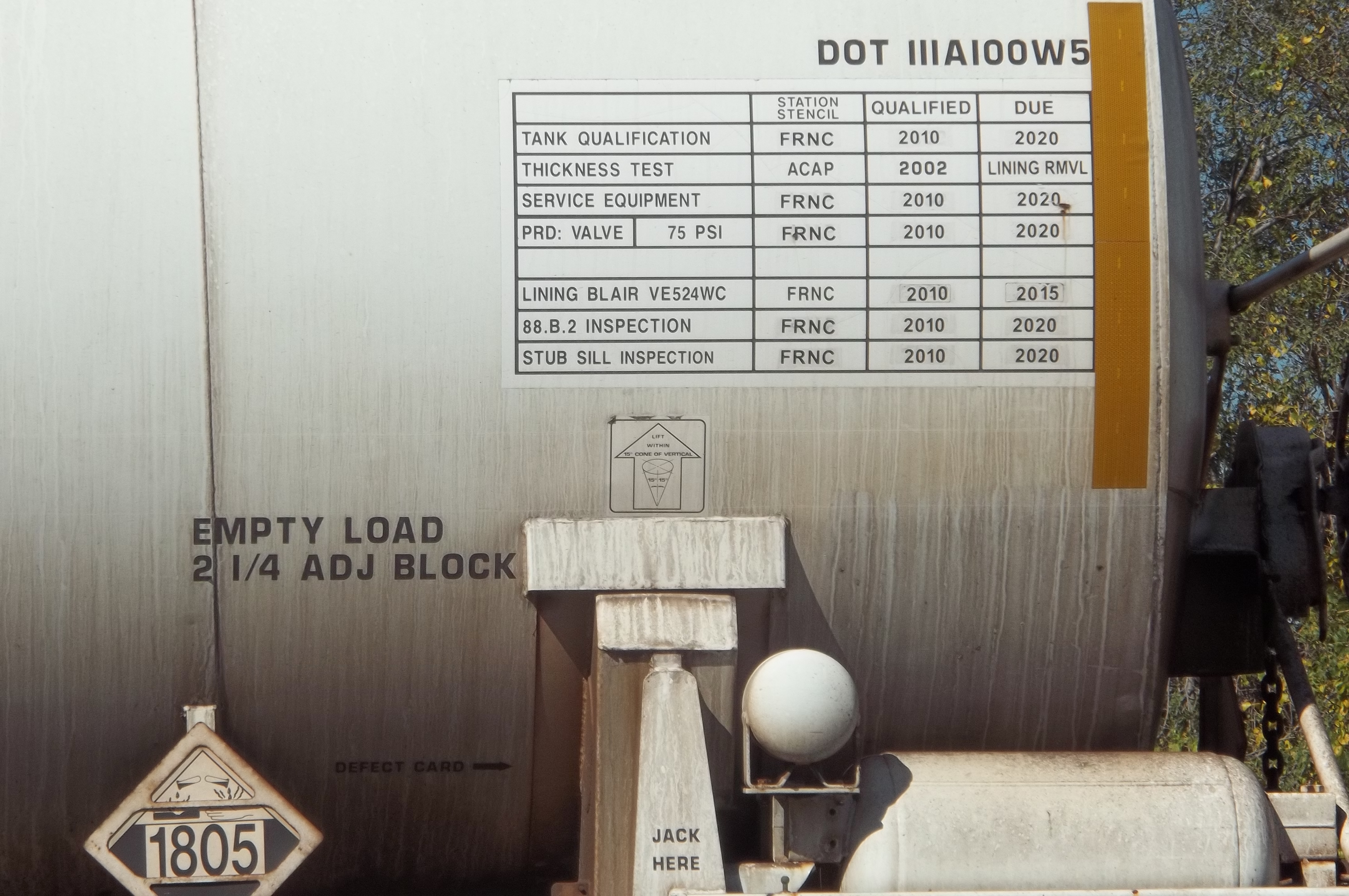
Markings on Rail Road Tank Car
This tank car’s qualification ends 12.31.20

Yes you may. Pursuant to 49 CFR 173.31(a)(3):

No person may fill a tank car overdue for periodic inspection with a hazardous material and then offer it for transportation.

Notice that non-compliance with this regulation requires two actions on the part of the Shipper:

  1. Fill a tank car that is overdue for its periodic inspection.  And,
  2. Offer for transportation (i.e. ship) a tank car that is overdue for its periodic inspection.

It does not say that a tank car that is overdue for its periodic inspection may not be transported in commerce.  Nor does it say that a tank car filled before its periodic inspection due date may not be offered for transportation after it is overdue for its periodic inspection.

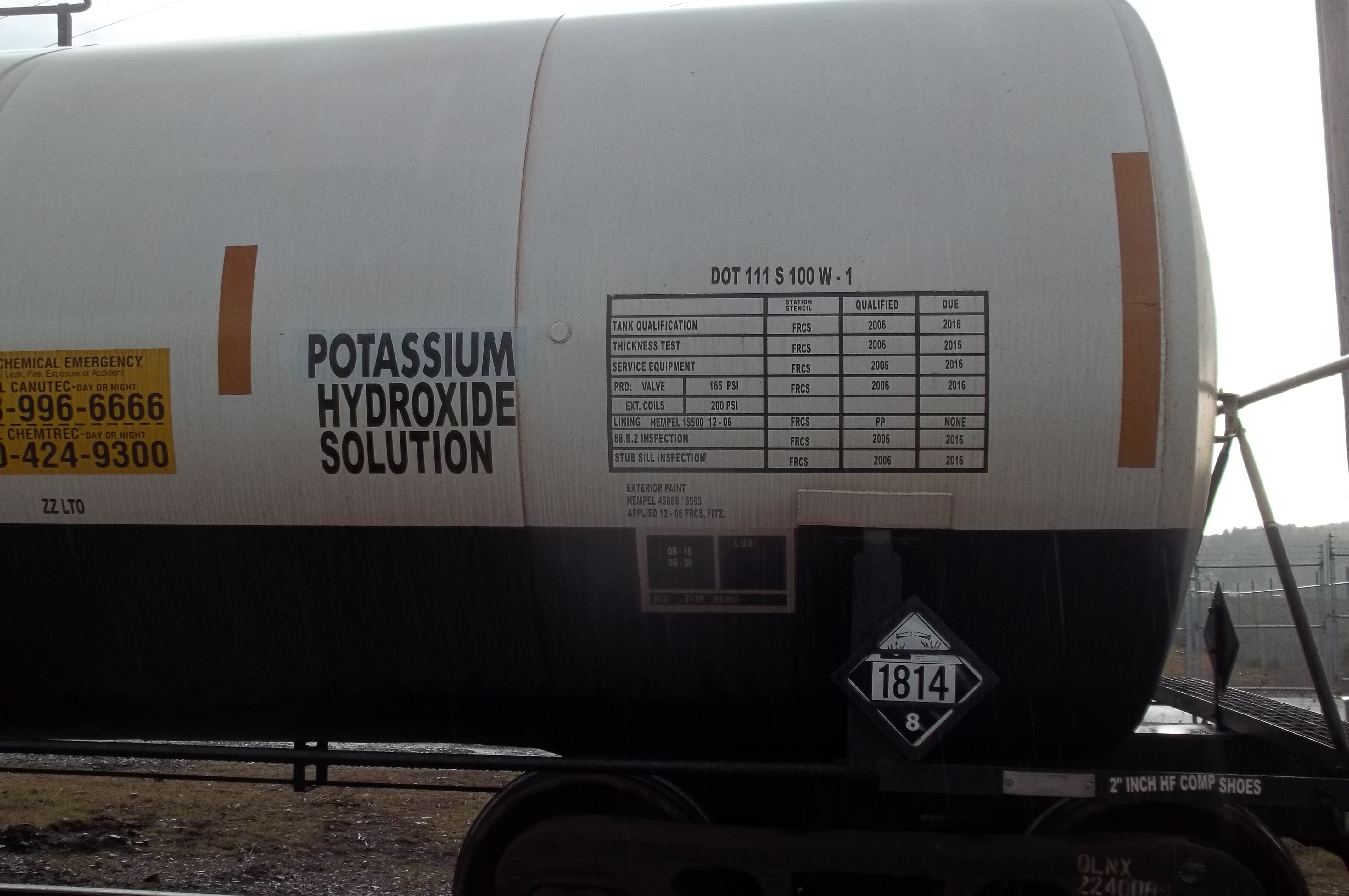
A tank car that is marked with a due date of 2015 requires its periodic inspection by December 31, 2015 in order to remain qualified for the transportation of HazMat.  Therefore, a tank car so marked may be filled and shipped up until that date. It may even be offered for transportation and transported after 12.31.15 as long as it is not filled and shipped after that date.

Qualification marking on tank car
This tank car’s periodic inspection is due before December 31, 2016

I hope this helps.

Thank you and Merry Christmas!

Dan

And that was it!

Contact me with any questions you may have about the transportation of hazardous materials by air, highway, vessel, or rail

International and Domestic

Daniels Training Services

815.821.1550

Info@DanielsTraining.com

https://danielstraining.com/

As we approach the last few days of 2015 – or any year in which the periodic inspection of a tank car is due – be sure to fill those tank cars whose qualification expires at midnight on New Year’s Eve and then ship them anytime after that.

Contact me with your questions about the transportation of HazMat by highway, rail, water, or air.

Search Website